

CAPLINQ offers Native Tapioca (Cassava, Manioc) Starch from Africa
CAPLINQ is proud to announce its native tapioca starch partnership with ANK Gabon. 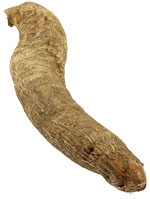 This partnership allows Native Tapioca Starch, produced in cassava starch fields of Gabon, Africa to be distributed worldwide by ocean freight from the port in Libreville, Gabon Africa. Historically, tapioca starch has been sourced from countries such as Vietnam and Thailand and shipped by sea to the country where it will be used. Though this makes sense for countries in South-East Asia, this simply adds costs and transit time to an otherwise low-priced commodity.
Africa, and specifically Gabon has a climate that is ideally suited for growing and producing tapioca starch, where the cassava starch roots grow very quickly with little irrigation. Large volume tapioca starch production however was nearly impossible however until recently as Gabon lacked the infrastructure, machinery and know-how to meet the specifications the industry both requires and expects. Since 2008, in cooperation and with the help of the Gabon President and government, ANK Gabon has steadily been building an ultra-modern tapioca starch production factory to produce food-grade quality native tapioca starch and has plans to move into starch-derivative products within a few years.
Small scale tapioca starch production has been running since January 2010, and the first cassava starch production volumes are scheduled to be ready by March 2010. Given the equipment and processes, the production capacities in Gabon, Africa should ramp up to full capacity of 2,500 tonnes/month of tapioca starch by the end of April 2010 – for an annual tapioca starch production of 30,000 metric tonnes per year.
What is Tapioca (Cassava) Starch?
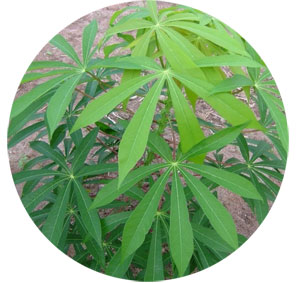
The name Tapioca is the common name for any of several related plants native to tropical regions in the Americas, Africa and Asia. Tapioca Starch is the name used in Thailand and Vietnam, Cassava Starch is the West Indian name; Manioc Starch (or Mandioc) is the Brazilian name; and Yucca Starch (or Juca) is used in other parts of South America. Throughout the text below, both tapioca starch and cassava starch are used as these terms can be used interchangeably. The tapioca plant grows in a bushy form, up to 2.4 meters (8 ft) tall, with greenish-yellow flowers and the roots are up to 8 cm (3 in) thick and 91 cm (36 in) long. The tapioca roots contain from 20% – 32% starch in plants as young as ½ to 1½ years old.
Reasons Why Tapioca (Cassava) is a Preferred Starch
- Flavor Profile Important for the food industry, light flavors such as vanilla, peach and lemon, are not masked when using tapioca starch. This is because tapioca starch contains no impurities, while cereal based starches contain phospholipids which give it an after taste.
- Appearance Also for the food industry, pastes, films and gels madse with tapioca starch are clearer than when other starches are used and fruit fillings look more appetizing.
- Non-Allergetic For the baby food industry, tapioca starch is gluten-free and thus easier to digest – an important consideration, and a reason for its widespread use in the manufacture of baby foods.
- Excellent Viscosity Tapioca starch exhibits a lower viscosity (more liquid) when it’s warmed. This facilitates processing.
In Which Industries is Tapioca Starch Used?
- Food-Grade Tapioca Starch is used in the Food and Candy Industries
- Glue and Adhesive Industries used modified starch and starch derivatives
- Pet Food Industries use cassava starch as fillers
- Fish Feed Industry
- Paper and Paper Cone industries
- Ice Cream and Ice Cream Cone Manufacturers
- Aluminium and Cast Iron Foundries use starch as a sand binder to make molds
- Pharmaceutical Industries use starch and derivatives to bind tablets and as a dispersion agent
- Cosmetics, Detergents and Soap Industries
- Edible Masala Powder manufacturers
- Cassava Starch Derivatives industries
- Dry Battery Cell industries use Tapioca Starch as filler
- Rubber and Foam industries
- Textile Industries use Starch
- Plywood
- Fermentation Industry (enzymes, beer)
Click for more information regarding Native Tapioca (Cassava) Starch, or please contact us for more details.


1 thoughts on “Food-Grade Tapioca (Cassava, Manioc) Starch Supplier”