

- Home

- Electronics Assembly
- Printed Circuit Board (PCB) Assembly
- Supporting Materials
Supporting Materials
Reliable PCB assemblies depend not only on core materials like solder, coatings, and TIMs — but also on the process-enabling chemistries and consumables that ensure consistency, cleanliness, and long-term performance. Supporting materials play a critical role in yield optimization, defect reduction, and compliance with global quality standards. From surface preparation to rework and environmental control, these solutions strengthen every stage of the assembly lifecycle.
Why Supporting Materials Are Just as Important
Proper surface preparation is fundamental to achieving strong metallurgical bonds and durable adhesion. Contaminants such as oils, oxides, ionic residues, and handling debris can significantly impact solder wetting and coating performance. High-performance cleaning chemistries, stencil cleaners, and surface activation solutions help ensure optimal pad condition before assembly.
Consistency in PCB assembly requires more than good materials — it requires measurable process control. Monitoring systems, contamination testing materials, and in-line verification solutions help manufacturers validate mix ratios, curing behavior, and cleanliness levels before defects occur.
By integrating process monitoring into the production line, manufacturers improve first-pass yield, reduce scrap, and support traceability in regulated industries such as automotive, aerospace, and industrial electronics.
Even in optimized production environments, rework and repair remain essential to maintaining throughput and cost efficiency. Specialized rework fluxes, pad repair materials, solder removal solutions, and trace restoration compounds allow technicians to correct defects without compromising board integrity.
These materials enable controlled recovery of assemblies while preserving compliance with workmanship criteria established by standards organizations such as IPC, helping extend product life and reduce waste.
During selective soldering, conformal coating, or wave solder processes, temporary protection is critical to maintaining design intent and preventing contamination. High-temperature tapes, peelable masks, and precision masking materials safeguard connectors, keep-out zones, and sensitive components.
Effective masking solutions improve process repeatability, reduce post-process cleaning requirements, and minimize the risk of coating or solder defects.
Aculon Functional Adhesion Promoters
Strong adhesion between substrates and protective materials is critical for long-term reliability — especially in automotive, industrial, and high-humidity environments. Surface energy limitations can prevent optimal bonding of coatings, sealants, and adhesives. They work by creating an interface for additional covalent bonds.
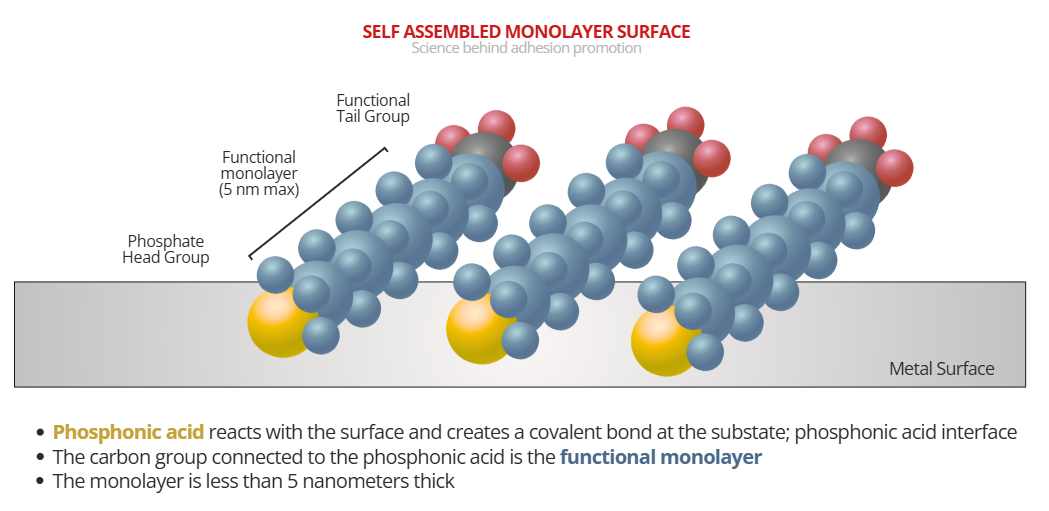
adhesion primers and promoters are engineered to enhance surface activation and interfacial bonding on metals, plastics, and composite PCB substrates. These materials help:
Remove oxides and contaminants from surfaces
Prevent reoxidation during heating.
Improve solder wetting and flow
Reduce the surface tension for smooth solder coverage.
Different adhesion promoters have different base chemistries but all of them work on a molecular level. For example Aculons Primers contain self- assembled monolayers of phosphonates (SAMPs) which improve the adhesion of metals to polymeric coatings. They do this by using reactive groups to create strong bonds with coatings that contain functional groups such as epoxies, polyurethanes, acrylates, and oxide particles.
| Aculon Thiol Functional Adhesion Promoter | Aculon Methacrylate Functional Adhesion Promoter | Aculon Hydroxyl Functional Adhesion Promoter | |
|---|---|---|---|
| Aculon Hydroxyl Functional Adhesion Promoter | Epoxy (Methacrylics) | (Meth)acrylates, amines thiol based | Polyurethanes and iso-cyanates, melamine formaldehydes, phenolic epoxy based |
| Application | Spray / Dip / Wipe | Spray / Dip / Wipe | Spray / Dip / Wipe |
| Thickness (nm) | 2+ | 2+ | 2+ |
| Dry Time (sec) | < 20 | < 30 | < 30 |
| Cure Required | For <5 min cure, only Ti, Al and epoxy need a cure | For <5 min cure, only Ti, Al and epoxy need a cure | For <5 min cure, only Ti, Al and epoxy need a cure |
For detailed specifications, material properties, and application guidance relevant to adhesion primers and promoters, check out the product category page
ABChimie Cleaning Products
In PCB assembly, post-solder cleaning is a critical reliability step — not an optional one. During reflow and wave soldering, flux residues, solder pastes, adhesives, and handling contaminants remain on the board surface. If not properly removed, these residues can lead to corrosion, electrochemical migration, dendritic growth, reduced insulation resistance, and poor conformal coating adhesion.
ABchimie has developed a comprehensive range of cleaning solvents and aqueous detergents engineered specifically for electronic assemblies. These chemistries meet international military cleanliness standards of 1.54 mg NaCl/cm² and are formulated to be compatible with the majority of plastics and sensitive components used in PCB manufacturing. By thoroughly removing ionic and organic contaminants, they enhance long-term electrical stability, improve surface insulation resistance (SIR), and ensure optimal adhesion of conformal coatings during varnishing or protective coating operations.
Choosing between aqueous (water-based) and solvent-based cleaning solutions depends on your assembly process, contamination profile, and production requirements.
Substrate Compatibility
Ensure the chemistry is safe for PCB laminates, solder masks, components, and labels.
Contamination Type
Select a solution matched to flux residues, solder paste, oils, or particulates.
Equipment
Inline, batch, ultrasonic, or vapor systems may favor different chemistries.
Production Volume
Aqueous systems suit high-throughput lines; solvents work well for selective or lower-volume cleaning.
Environmental & Safety
Aqueous options are generally easier to manage; solvents may require stricter handling controls.
Process Speed
Solvents evaporate quickly; optimized aqueous systems can deliver efficient large-scale cleaning.
Take a look at some of the recommended cleaners and degreasers ABChimie has to offer
| Solvent Based | Water Based | |||
|---|---|---|---|---|
| ABC NCC | ABC DRP10-2 | ABC MADEX20 | ABC CIPEX42 | |
| Application | Cleaning of solder paste and glue | Pollutant residues cleaner | Service aids application | Defluxing, PCBA |
| Flash Point (℃) | < 0 | > 55 | N.A. | N.A. |
| Evaporation Rate (Ether = 1) | 16 | 66 | N.A. | N.A. |
| Characteristic | Screen Maintenance | Degreasing | Maintenance Ovens, Flux Trap | Defluxing |
| Packaging | Aerosol 400 mL, 5L, 30L | 1L, 5L, 30L | 5L, 30L | 5L, 30L |
During this process, metal surfaces (component leads and pads) are often covered with oxides that prevent proper solder wetting
Remove oxides and contaminants from surfaces
Prevent reoxidation during heating.
Improve solder wetting and flow
Reduce the surface tension for smooth solder coverage.
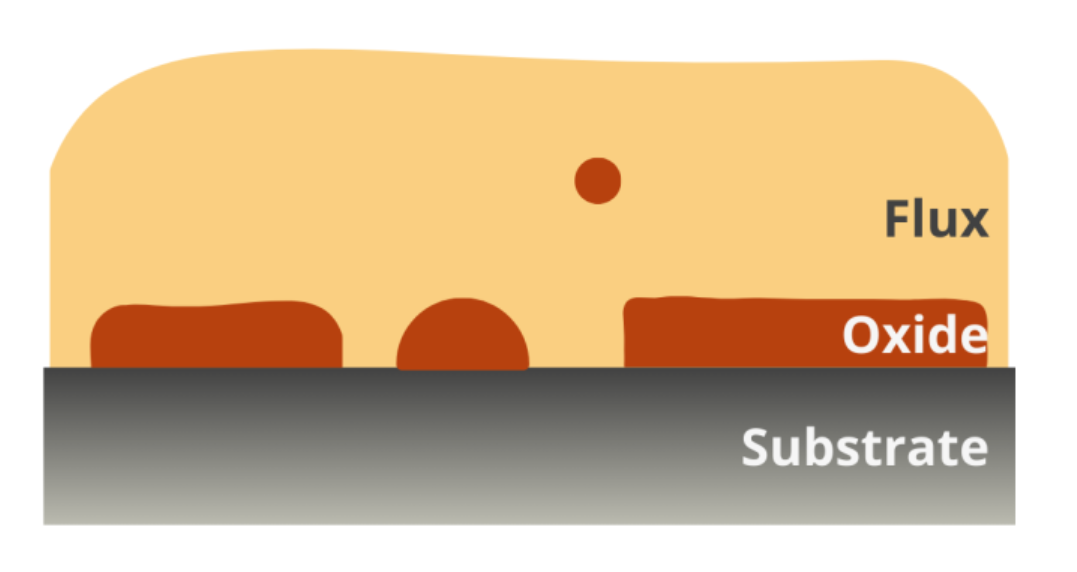
Flux removes oxides from metal substrates during soldering. It contains active chemistries that dissolve or react with surface oxides, exposing clean metal to ensure reliable metallurgical bonding.
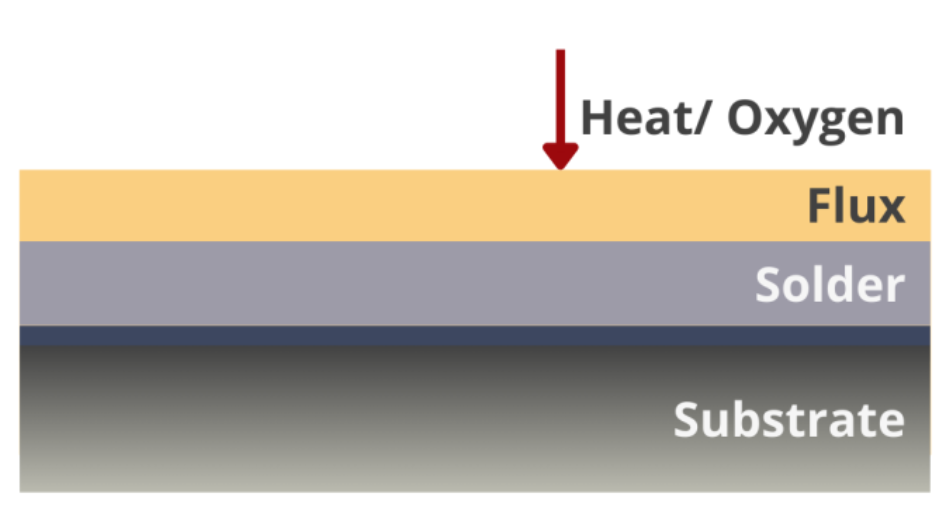
Once cleaned, metal surfaces are highly reactive. Flux forms a temporary protective barrier that prevents reoxidation while components are heated and soldered.
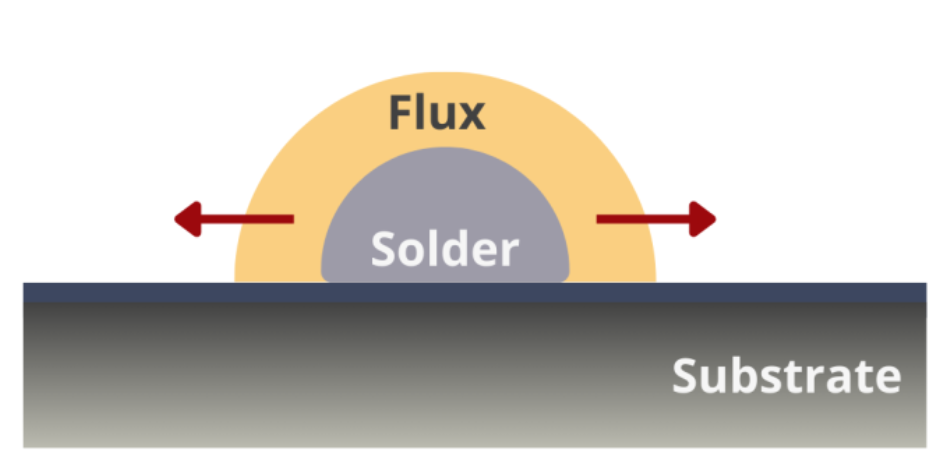
Flux reduces surface tension, allowing molten solder to spread evenly and adhere properly to metal surfaces. This improves joint integrity, consistency, and long-term reliability.
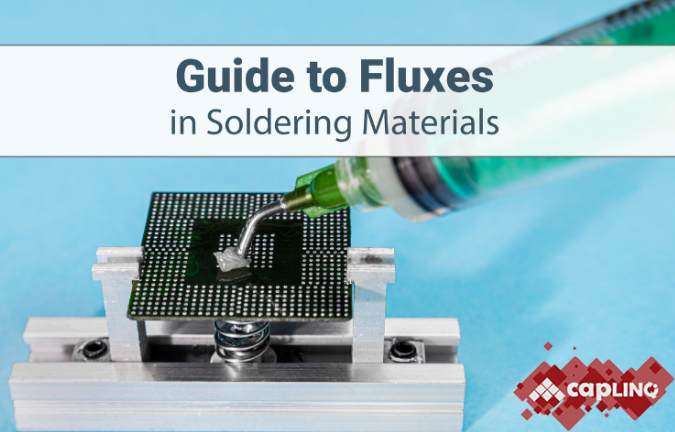
Choosing the correct flux is critical to solder joint integrity, residue control, and long-term reliability.
Our comprehensive blog walks you through how to select the right flux for your application, understand flux classifications, and evaluate performance considerations across assembly environments. Learn about our other products in the category page,
Read the Complete Guide to Fluxes →More Solder Flux Options Here →
ALPHA NF3000 Water-Soluble Flux
Engineered for Wave Soldering of PCB Assemblies
Alpha NF3000 is a water-soluble liquid soldering flux designed for wave soldering of printed circuit boards (PCBs). Its organic activating system remains neutral at room temperature and activates at elevated soldering temperatures for controlled, reliable wetting.

KESTER 951 Soldering Flux
Zero-Residue Flux for High-Reliability PCB Assembly
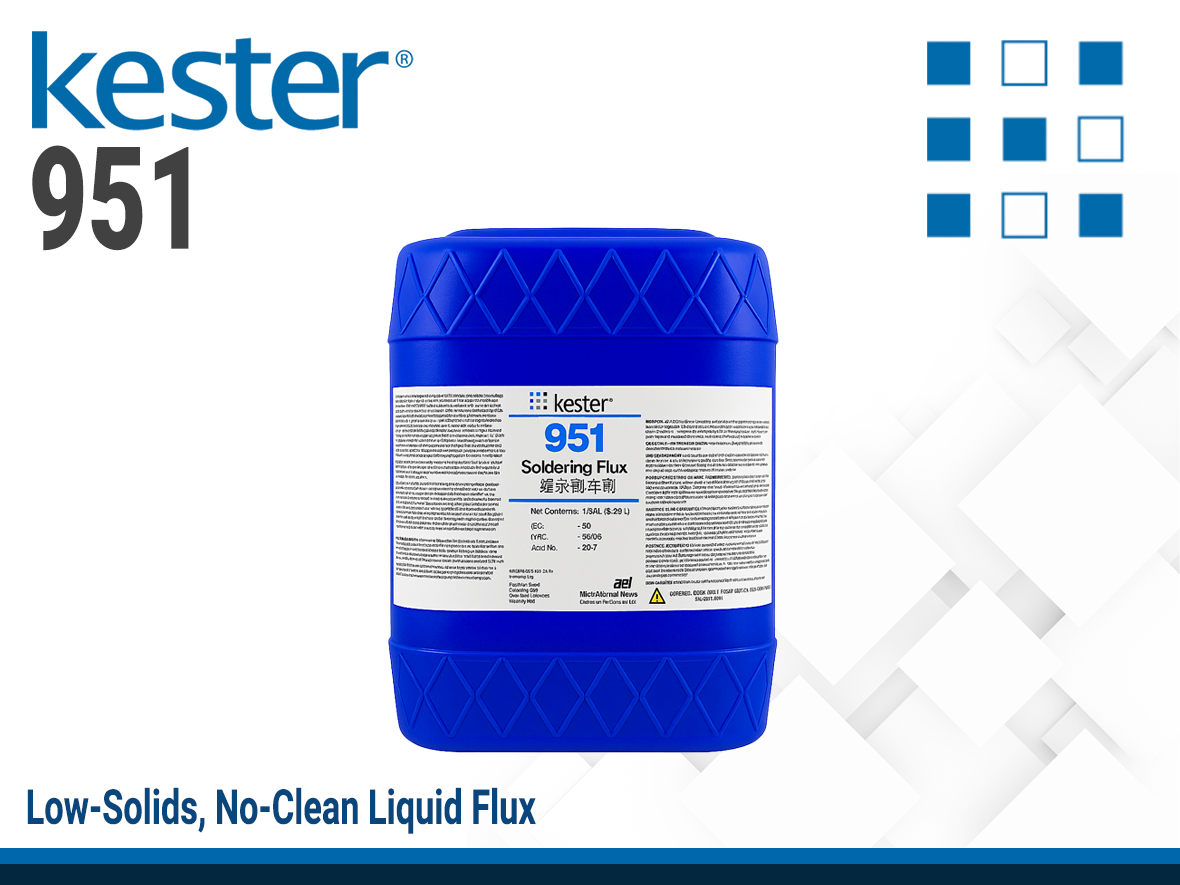
KESTER 951 is a zero-halogen, non-rosin flux designed for high-reliability wave and surface mount soldering. Its ultra-low solids content (2.0%) ensures minimal visible residue and high surface insulation resistance after soldering.
Specialty Tapes and Films
LINQtape Polyester and Polyimide Tapes
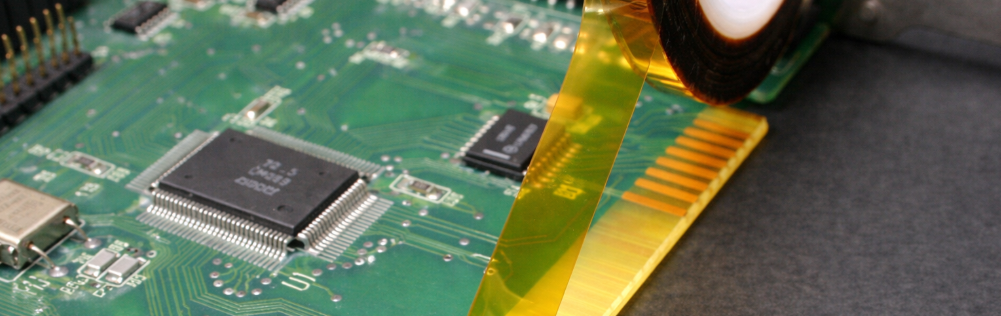
When performance and process reliability matter, selecting the right high-temperature tape makes all the difference. LINQtape™ offers both Polyester (PET) and Polyimide tape solutions — each engineered to deliver dependable results across demanding manufacturing environments.
Manufactured from a durable polymer derived from petroleum-based chemistry, PET tapes provide a cost-effective and highly reliable solution for applications requiring heat resistance up to 200°C. They offer excellent dimensional stability, clean removal, and strong adhesion, making them ideal for masking, temporary bonding, splicing, and general-purpose protection.
For more extreme environments, Polyimide tapes provide superior thermal endurance beyond 200°C, along with outstanding chemical resistance and electrical insulation properties. They are engineered for high-temperature electronics manufacturing, PCB processing, powder coating, and other advanced applications where maximum durability and performance are critical.
| Product | Color | Adhesive Type | Adhesive Thickness | Total Thickness | Adhesion Strength | Breakdown Voltage [V] | Temperature Resistance [°C] |
|---|---|---|---|---|---|---|---|
| Polyester (PET) Tapes | |||||||
| PET1A-Yellow | Yellow | Acrylic | 1.5 | 2.5 | 35 | 4,200 | 155 |
| PET1S-Blue | Blue | Silicone | 1.7 | 2.7 | 30 | 4,200 | 200 |
| PET1S-Clear | Clear | Silicone | 1.7 | 2.7 | 30 | 4,200 | 200 |
| Polyimide Tapes | |||||||
| PIT0.5N | Amber | None | 0 | 0.5 | - | 3,000 | 400 |
| PIT1N | Amber | None | 0 | 1 | - | 6,000 | 400 |
| PIT1N-ALUM | Amber | None | 0 | 1 | - | 2,800 | 400 |
The 3M™ Adhesive Mix Monitor system is an in-line adhesive quality monitoring solution that measures two-part adhesive properties after mixing and before dispensing. It continuously monitors mix ratio, temperature, and degree of cure in real time to verify that the adhesive meets its intended specifications before application.
The system consists of three core components: a disposable in-line sensor in direct contact with the mixed adhesive, an amplifier/reader that captures and conditions the signal, and a processing unit that compares the measured data to the adhesive’s reference profile. This data can be streamed directly to a programmable logic controller (PLC), enabling smart, closed-loop control of the dispensing process.
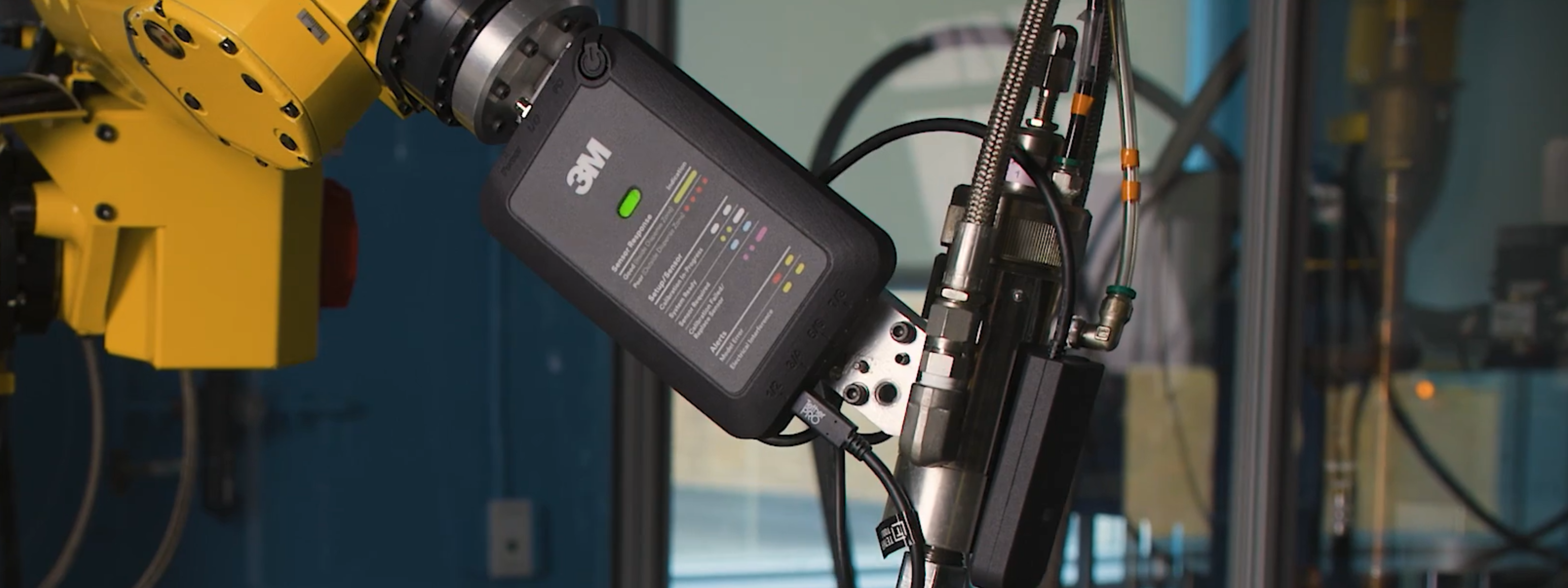
Features
Reduce Adhesive Waste
Monitor mix quality in-process to purge only when necessary, saving material and improving uptime.
Reduce Rework
Detect mix quality issues before dispensing to prevent defects downstream.
Improve Consistency
Real-time feedback ensures consistent adhesive application across operators and shifts.
Enable Traceability
Time-stamped data provides part-level traceability for audits and quality control.
System Components
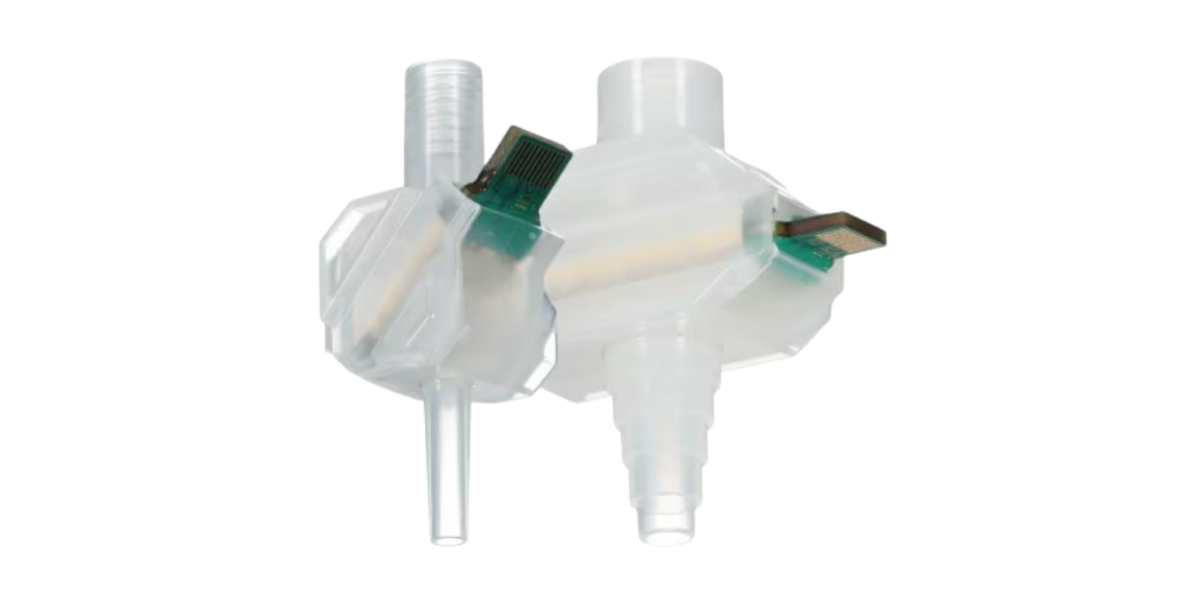
Sensor
Disposable in-line sensing element for real-time adhesive mix quality measurement
The 3M™ Adhesive Mix Sensor interfaces directly with the adhesive stream to measure mix quality. Available in Standard Volume and Low Volume variants, supplied in cases of 72 sensors.
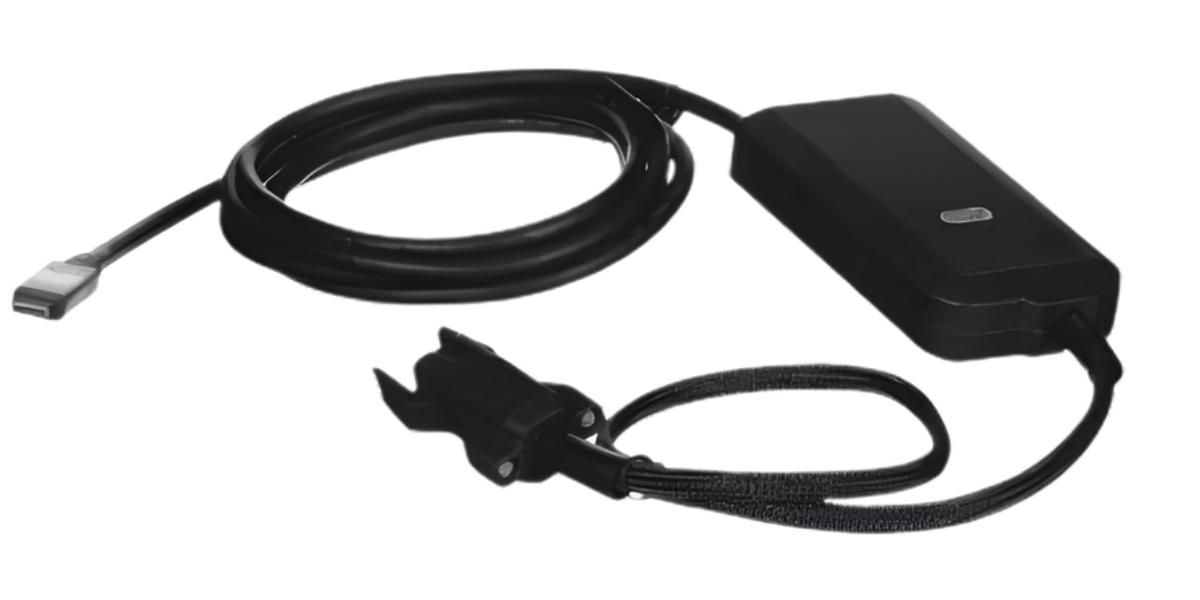
Amplifier / Reader
Signal conditioning and data interface between sensor and processing unit
Captures and conditions raw sensor signals, converting them into stable, usable data for the processing unit for analysis and process control.
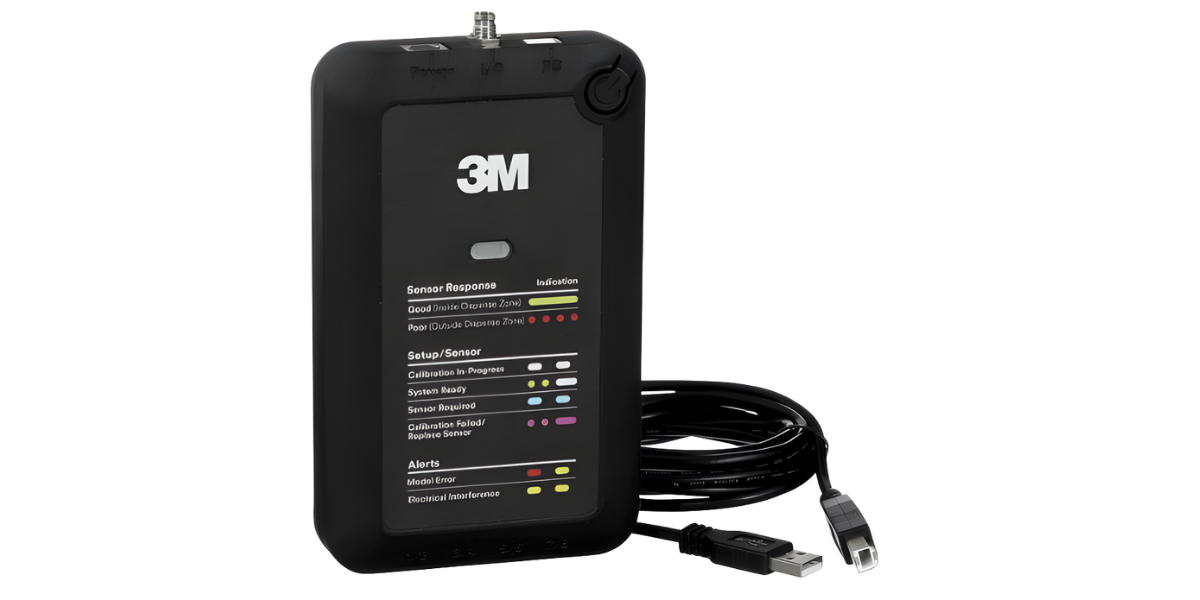
Processing Unit
Evaluates mix quality and provides system-level outputs
Receives sensor data, compares it against the reference profile, applies acceptance limits, and provides decision logic for alarms and process integration.
Learn More about 3M™ Adhesive Mix Monitor system
For full specifications, installation guides, and technical details, visit the official product page.
Visit Product Page →Support reliable Printed Circuit Board Assembly.
Contact us to discuss material compatibility, process optimization, and long-term reliability considerations for high-performance PCB assembly and electronics manufacturing.