

Power Conversion Systems
Chargers, Converters, Inventers
-
Home

-
eMobility
-
Power Conversion Systems
- On board chargers
On board chargers
An on-board charger (OBC) converts AC power from the charging station or electrical grid into DC power that can safely charge the electric vehicle battery. As a key power conversion unit in battery electric vehicles and plug-in hybrid electric vehicles, the OBC must deliver high efficiency, electrical safety, compact packaging, and long-term reliability under demanding automotive conditions.
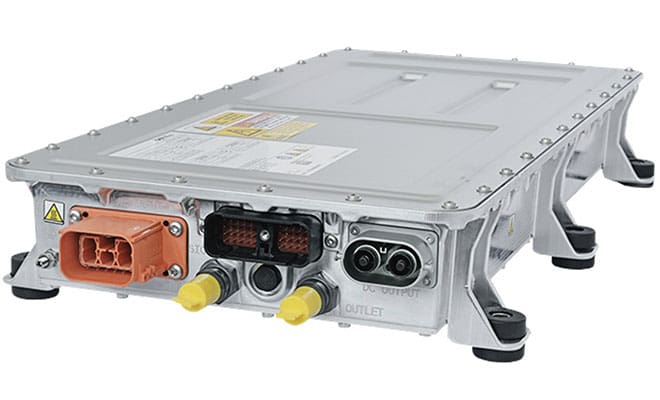
On-Board Charger System Architecture
AC-to-DC Power Conversion for EV Battery Charging
The on-board charger manages the conversion of incoming AC power into regulated DC power for the high-voltage battery pack. It typically includes input filtering, power factor correction, DC/DC conversion, isolation stages, control electronics, and thermal management components.
Because OBCs operate with high voltages, high switching frequencies, and compact power electronics, material selection is critical. Thermal interface materials, potting compounds, encapsulants, conformal coatings, adhesives, sealants, and dielectric insulation materials help manage heat, protect components, maintain electrical isolation, and improve long-term durability.
Typical power flow from AC charging input to regulated DC battery charging in an EV on-board charger
Key On-Board Charger Components and Material Challenges
On-board chargers contain several high-reliability power electronics subsystems. Each area introduces different material requirements for heat dissipation, electrical insulation, mechanical stability, environmental protection, and high-voltage safety.
Power Semiconductors
MOSFETs, IGBTs, SiC devices, and power modules generate heat during switching and conduction.
Material needs: TIMs, thermal gels, phase change materials, ceramic insulation, encapsulants
Magnetics and Transformers
Transformers, inductors, and chokes require protection from vibration, heat, and electrical stress.
Material needs: Potting compounds, encapsulants, varnishes, thermally conductive resins
Control PCB and Sensors
Control boards monitor voltage, current, temperature, and charging logic.
Material needs: Conformal coatings, underfills, encapsulants, protective gels
On-Board Charger Assembly Process and Material Integration
The reliability of an on-board charger depends on how materials are integrated throughout the assembly. Each stage introduces interfaces that affect heat transfer, dielectric strength, vibration resistance, moisture protection, and enclosure sealing.
Power Module Cooling
Thermal materials transfer heat from power devices to heat sinks, baseplates, housings, or liquid-cooled structures.
Materials: TIMs, thermal gels, greases, phase change materials, thermal pads
Magnetics Potting
Potting and encapsulation protect inductors, transformers, and chokes from vibration, moisture, and thermal stress.
Materials: Epoxy potting, silicone potting, polyurethane encapsulants
PCB Protection
Control electronics are protected from moisture, condensation, corrosion, dust, and electrical leakage.
Materials: Conformal coatings, underfills, encapsulants, protective gels
Electrical Insulation
Dielectric materials maintain electrical separation between high-voltage conductors, housings, and sensitive electronics.
Materials: Insulating films, dielectric coatings, ceramic substrates, encapsulants
Housing Bonding and Sealing
Sealants and adhesives protect the charger from water, dust, vibration, and harsh automotive environments.
Materials: RTV silicones, gaskets, structural adhesives, potting compounds
Reliability Testing
Assemblies are validated for high temperature, humidity, vibration, thermal cycling, electrical insulation, and charging performance.
Why it matters: Confirms long-term durability and safety in EV charging environments
Functional Materials Used in On-Board Chargers
On-board chargers require materials that combine thermal performance, dielectric reliability, mechanical stability, and environmental protection. These materials help power electronics operate safely and efficiently throughout the lifetime of the vehicle.
Thermal Interface Materials
TIMs transfer heat from power semiconductors, transformers, and control electronics to heat sinks, housings, or cold plates.
Typical materials
Thermal gels, thermal pads, phase change materials, greases, and thermally conductive adhesives
Potting and Encapsulation Materials
Potting compounds protect magnetics and power electronics from vibration, moisture, electrical stress, and thermal cycling.
Typical materials
Epoxy, silicone, and polyurethane potting compounds and encapsulants
Conformal Coatings
Conformal coatings protect control boards and low-voltage electronics from moisture, condensation, corrosion, and contamination.
Typical materials
Acrylic, silicone, urethane, and UV-curable conformal coatings
Adhesives and Sealants
Adhesives and sealants secure housings, bond components, and protect the charger enclosure from water, dust, and vibration.
Typical materials
RTV silicone sealants, structural adhesives, gaskets, and bonding materials
Support Reliable On-Board Charger Design
Selecting the right thermal interface materials, potting compounds, conformal coatings, adhesives, sealants, and dielectric insulation materials helps improve power conversion reliability, protect sensitive electronics, and support long-term EV charging performance.