

Advanced Packaging
Flip Chip, Wafer level and 3D memories
-
Home

-
Semiconductors
-
Advanced Packaging
- Flip Chip BGA
Flip Chip BGA
Flip Chip BGA Materials and Interface Solutions
Flip Chip Ball Grid Array, or FCBGA, is a substrate-based package architecture used for high-I/O, high-performance semiconductor devices where interconnect density, thermal path design, package warpage, and long-term reliability must be managed together. KRAYDEN and Krayden support FCBGA programs with underfills, molded-package materials, lid attach adhesives, encapsulants, and thermal interface materials mapped to the interfaces that govern package performance.
This page explains how FCBGA packages are built, where materials matter, and how Hysol, Henkel, LINQ, and other supplier portfolios available through Krayden align to the application.
Primary drivers: fine-pitch interconnect support, warpage control, thermal path management, hidden-defect reliability
Main package uses: CPU, GPU, APU, memory, networking, high-density computing
Typical references: MSL screening, TCT, HTS, HAST, board-level fatigue evaluation
FCBGA Application Overview
Flip chip assemblies are smaller and electrically shorter than traditional carrier-based wire-bond systems because the die is connected directly to the substrate through an area-array interconnect. The shorter connection path reduces inductance and supports higher-speed signaling, but it also makes the package more sensitive to stiffness mismatch, warpage, surface planarity, and hidden interconnect defects.
FCBGA packages are assembled on laminate or ceramic substrates. Organic substrate designs are widely used where routing density and electrical performance are required at scalable cost, while ceramic designs remain relevant where insulation stability, moisture resistance, or higher thermal conductivity matter more. In both cases, the material stack must be matched to the package architecture rather than selected as disconnected products.
The most important engineering question is not simply which adhesive, underfill, or EMC to use. It is which interface dominates package risk, die-to-substrate interconnect, underfill route, molded package strategy, lid stack, or board-level fatigue path.
FCBGA Package Architecture and Process Landscape
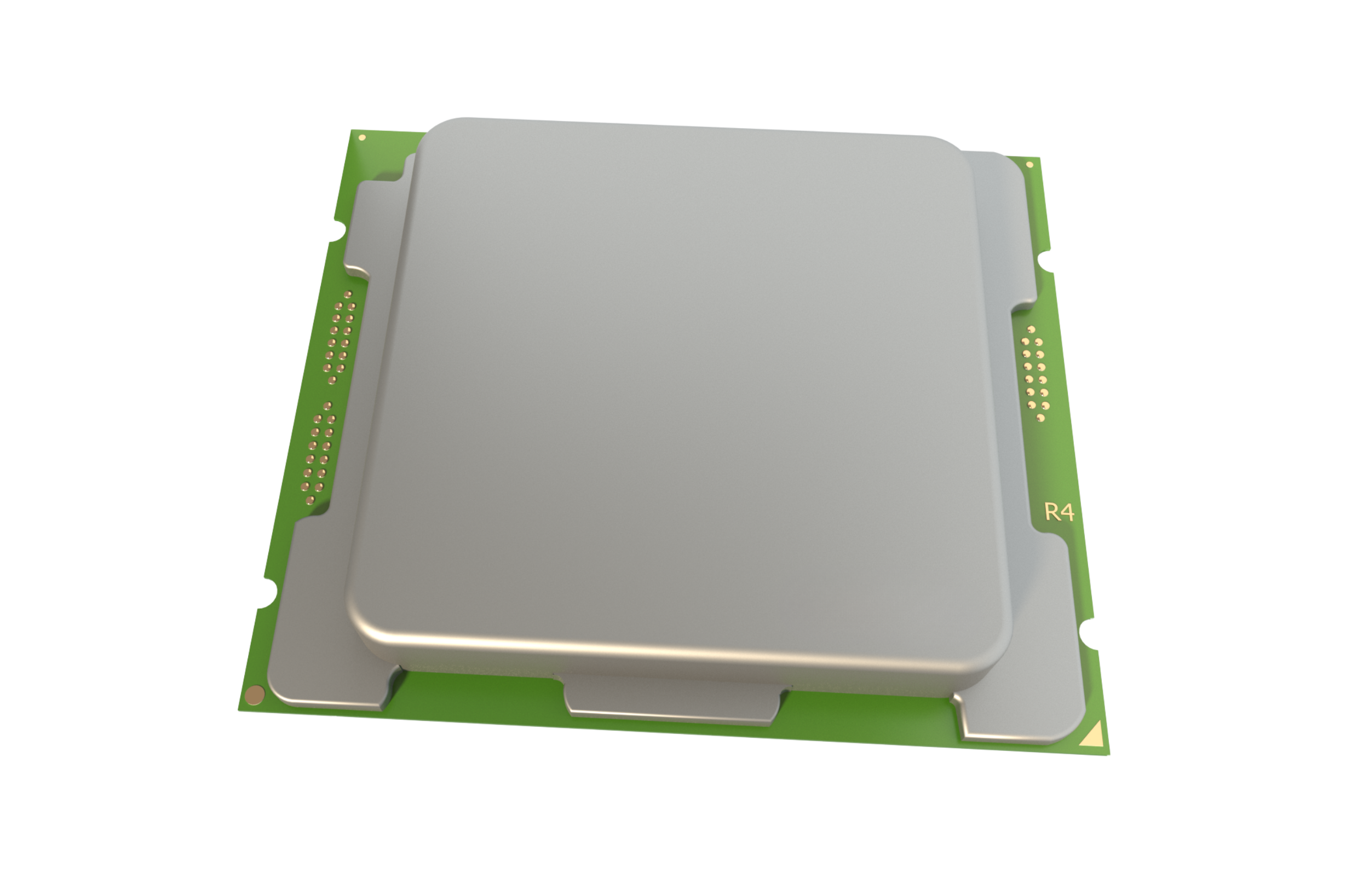
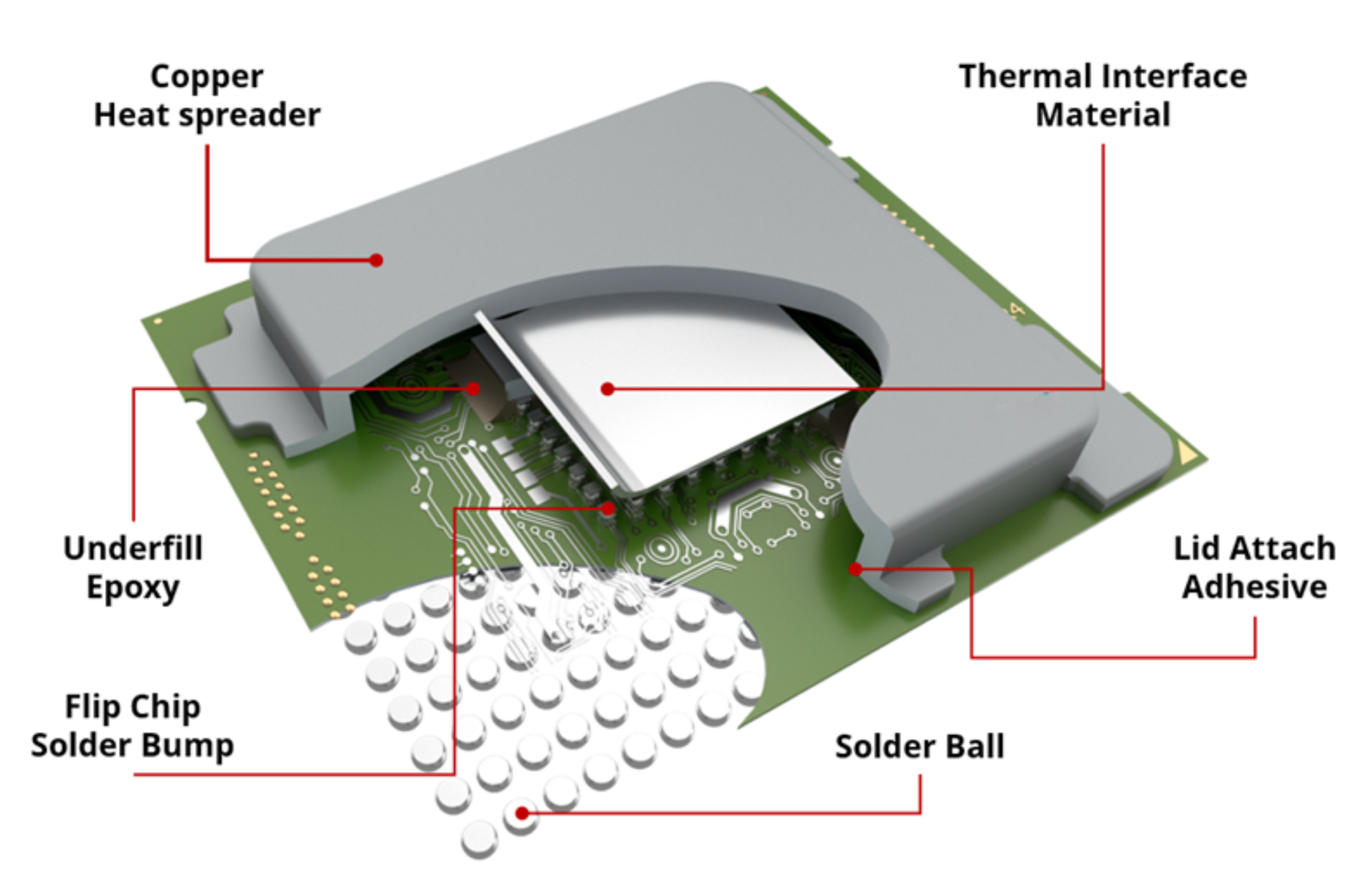
A typical FCBGA package contains a silicon die, solder bumps or Cu pillars, under-bump metallurgy, an underfill or molded reinforcement layer, a substrate with build-up routing, BGA solder balls for board attach, and in many cases a lid or heat spreader with thermal interface materials. Material selection is shaped by pitch, stand-off, die size, substrate type, thermal demand, and the failure mode that dominates the end use.
Conventional reflow plus capillary underfill remains relevant for many mainstream packages. Thermal compression bonding with NCP or NCF becomes more attractive as pitch tightens, while molded-underfill or full molded-FCBGA strategies become relevant when package protection, warpage control, or severe-use reliability justify a molding-based route.
Key Engineering Challenges in FCBGA Packages
As package size, stiffness gradients, and thermal load increase, the limiting factor often shifts from simple assembly success to curvature control through cure, reflow, and cycling.
As stand-off decreases and pitch tightens, underfill route selection becomes more sensitive to gap access, viscosity, wetting, and void control.
Lid attach, TIM, and molded-package choices are used to support heat transfer, but they also alter bondline stress, package stiffness, and second-level fatigue behavior.
Key Interfaces and Material Integration
Materials in FCBGA are selected at interfaces, not in isolation. Some steps need interconnect reinforcement, some need package protection, some need heat transfer, and some require controlled compliance to prevent fatigue from shifting downstream.
Die-to-substrate interconnect
This is the first-level electrical and mechanical connection formed by solder bump or Cu pillar structures on the substrate interface.
Typical materials: solder alloys, Cu pillar structures, UBM, TCB support materials
Why it matters: this interface sets the pitch constraint, stress path, and route selection for the package.
Underfill and reinforcement layer
After first-level connection, the package usually needs a reinforcement layer to redistribute local stress and improve environmental robustness.
Typical materials: CUF, NCP, NCF, board-level underfills, molded underfill
Why it matters: this layer strongly influences voiding, interconnect crack resistance, and fatigue transfer into the package and board.
Molded package protection
Packages using molded protection or compression-molded reinforcement require EMC selection matched to geometry, filler cut, and warpage target.
Typical materials: low-CTE EMC, thermally conductive EMC, molded package compounds
Why it matters: molded materials can improve protection and heat spreading, but they also strongly influence package curvature and reliability balance.
Lid attach and heat spreader interface
Packages with lids or heat spreaders require bondline materials that support heat flow while maintaining controlled stress and dimensional stability.
Typical materials: conductive lid attach, non-conductive lid attach, TIM1, gap fillers
Why it matters: thermal-path design can improve heat transfer while also changing curvature response and second-level fatigue behavior.
Local encapsulation and protection
Some package designs need local encapsulation, glob-top style protection, or flowable cavity fill materials around exposed or stress-sensitive regions.
Typical materials: encapsulants, cavity fills, UV/moisture protection materials
Why it matters: these materials are used to support local environmental protection, cavity filling, and stress buffering in sensitive package zones.
Functional Material Categories in FCBGA
The solution space should be organized by function rather than by SKU. That makes it easier to connect the application need to the material role before narrowing to a supplier family or product.
Fine-pitch underfill materials
These materials are used to support the first-level interconnect after or during assembly, depending on the route used.
Typical chemistries and families
Capillary underfills, non-conductive paste, non-conductive film, board-level underfills
What usually matters
Viscosity, wetting, cure profile, void resistance, ionic cleanliness, modulus and CTE balance
Molded package materials
These materials are used where package-level protection or molded reinforcement is required, especially in routes that demand profile control or harsh-use robustness.
Typical chemistries and families
Low-CTE EMC, thermally conductive EMC, compression-moldable package compounds
What usually matters
CTE, shrinkage, filler cut, mold flow, moisture behavior, modulus retention, warpage response
Lid attach and thermal interface materials
These materials are used when the package requires a lid, a heat spreader, or a broader system thermal path to external cooling hardware.
Typical chemistries and families
Conductive lid attach, non-conductive lid attach, TIM1, TIM2, gap fillers
What usually matters
Bondline control, conductivity, compliance, cure stress, moisture behavior, interface stability
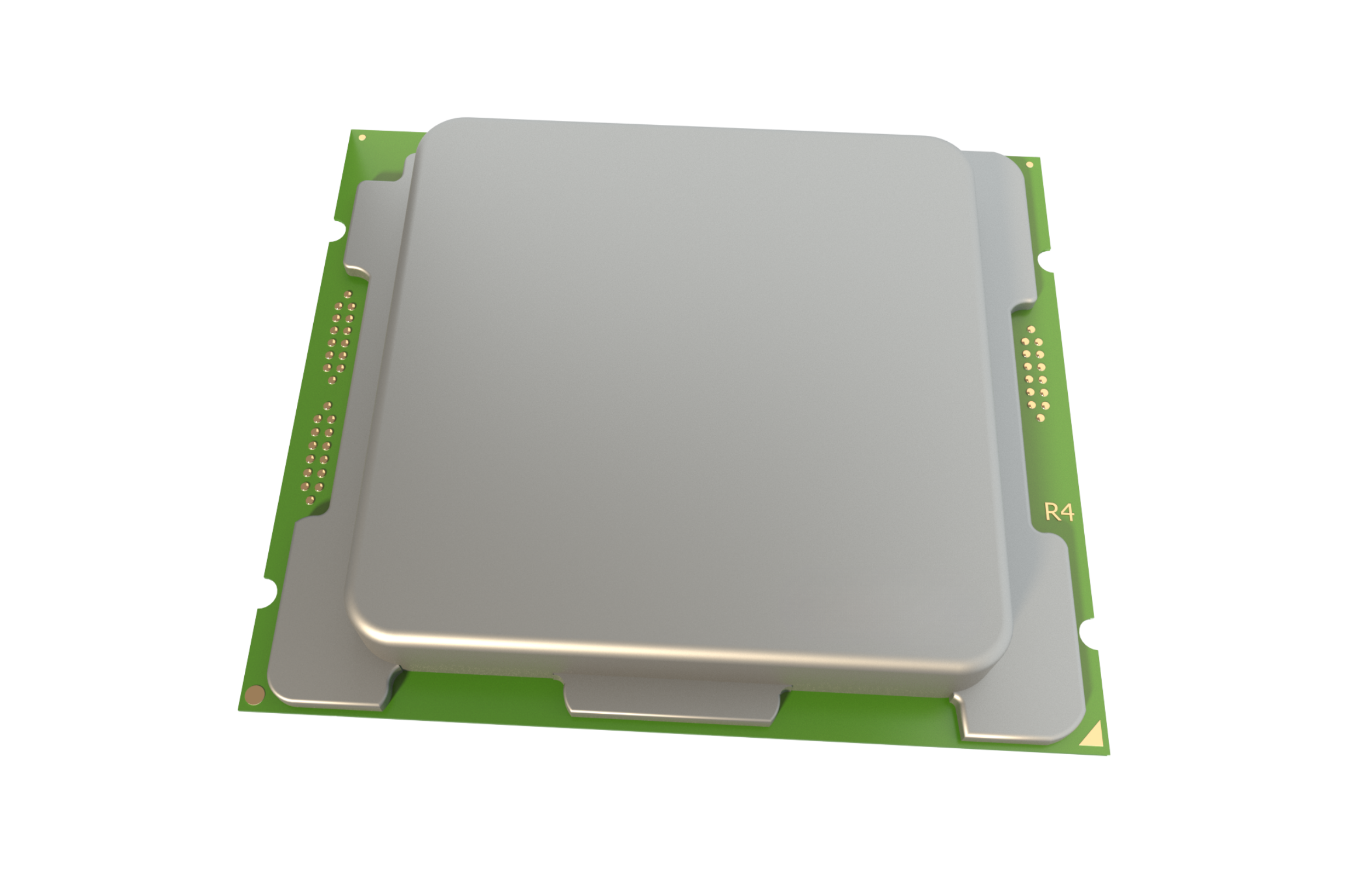
Key Features
- High performance and low cost package solutions
- Superior thermal peformance with copper or aluminum lid/heat spreader
- Package sizes from 10 mm to 67.5 mm
- Pb-free, and Cu pillar as bumps
-
SMT components on top or bottom side
-
Multi-die capability
- Computing: Memory, CPU, APU, GPU, HDD storage
- Network: small cell base station, network storage driven by cloud computing and high speed processors
- Comsumer: DTVs, STBs, game consoles and IOT
- Moisture Sensitivity Level: JEDEC Level 4 or 3@260°C
- Temperature Cycling Test: -55°C/125°C, 1000 cycles
- High Temperature Storage: 150°C, 1000hrs
- Highly Accelerated Stress Test: 130°C, 85%RH, 2 atm, 96 hrs
The above are typical condition numbers.
| Product Recommendation For FCBGA Assembly | ||
| Semicondutor Capillary Underfill (CUF) | Board Level Underfill | Lid Attach Adhesive For BGA |
|
UF8828 FP4511 FP4549 (HT) |
Conductive Lid Attach
Non conductive Lid Attach
|
|
|
|
|
Hysol GR910 Series for BGA and LGA Substrate Packages
The Hysol GR910 series includes epoxy molding compounds positioned for BGA and LGA substrate package designs, with variants tuned for flow, warpage control, finer gap filling, higher Tg, lower stress, and thin factor package requirements.
| Product | Key Feature | Application Requirement Where It Is Used |
|---|---|---|
| Hysol GR910-C | High fluidity, 75 µm spherical filler, low shrinkage, advanced warpage control | Memory BGA/LGA substrate packages where good mold flow, broad moldability, and established warpage control are required in mainstream package designs |
| Hysol GR910-C4 | Finer 53 µm filler, improved filling in narrow gaps, lower smile warpage, MSL3 @260°C | BGA/LGA packages with tighter gaps or finer geometry, where better cavity filling, lower warpage during PMC/reflow, and stronger moisture-reflow reliability are needed |
| Hysol GR910-K | High Tg, low stress, controlled shrinkage, high reliability | BGA/LGA packages needing higher thermal stability, lower stress on package structures, and MSL2/3 reliability performance |
| Hysol GR910-LB | Low stress, high adhesion, low moisture absorption, good reliability for thin factor cards | BGA TF card and thin-profile substrate packages where thin-package integrity, adhesion, low moisture pickup, and dimensional control are critical |
| Hysol GR910 K-31 | High Tg and low shrinkage positioning | Application-specific option when the package needs the GR910-K logic but with stronger emphasis on low shrinkage. |
Thermally Conductive Epoxy Molding Compounds for FCBGA, FCCSP, SiP, and Related BGA Packages
These thermally conductive epoxy molding compounds are designed for FCBGA, FCCSP, SiP, and related BGA packages using compression molding. Each EMC grade offers a different balance of thermal conductivity, flow, CTE control, and high‑temperature mechanical strength to support different substrate‑based package requirements.
| Product | Key Features | Typical Applications |
|---|---|---|
| Hysol GR920‑MR5A | 3.1 W/m·°C thermal conductivity, 91% filler loading, 20 µm filler size, high flow, low shrinkage, and low CTE for stable package molding. | FCBGA, FCCSP, SiP, and other BGA substrate packages that need fine‑gap filling, low warpage, and good heat dissipation. |
| EMC‑G185 | 3.1 W/m·°C thermal conductivity, 190°C Tg, 20 µm filler size, low CTE, and ion‑catcher design for high‑temperature package stability. | Thermally demanding FCBGA, FCCSP, SiP, and related BGA packages that need higher heat resistance, controlled expansion, and balanced mechanical performance. |
| EMC‑G186 | 3.0 W/m·°C thermal conductivity, 91% filler loading, high flow, low CTE, and stronger stiffness retention at high temperature. | Compression‑molded FCBGA, FCCSP, SiP, and related BGA packages that need easier flow, good heat transfer, and stronger mechanical support at elevated temperature. |
BGA Lid attach.
- MC723
- 3003
- 3005
- 3188
BGA Encapsulation
Integrated circuits are extremely vulnerable packages that need protection from the outside world. They need to be thermally, mechanically and electrically insulated in order to endure operational conditions.
Ball Grid array underfills
Additionally, underfills help with thermal expansion that can also cause serious issue and cracks. The underfill material acts as an intermediate between the difference in CTE of the chip and board providing the leeway and flexibility required under thermal stress.
Underfills for BGA packages.
In principle most underfills should work for Ball grid arrays but some popular products are: