

-
Home

-
Electronics Assembly
-
Printed Circuit Board (PCB) Assembly
- Interconnects for PCB Assemblies
Interconnects for PCB Assemblies
Interconnect materials enable electrical and thermal connections between components in an electronic assembly. They act as “glue + highways” for signal, power, and heat transfer, supporting stable performance and long-term reliability.
Why are Interconnect Materials Important?
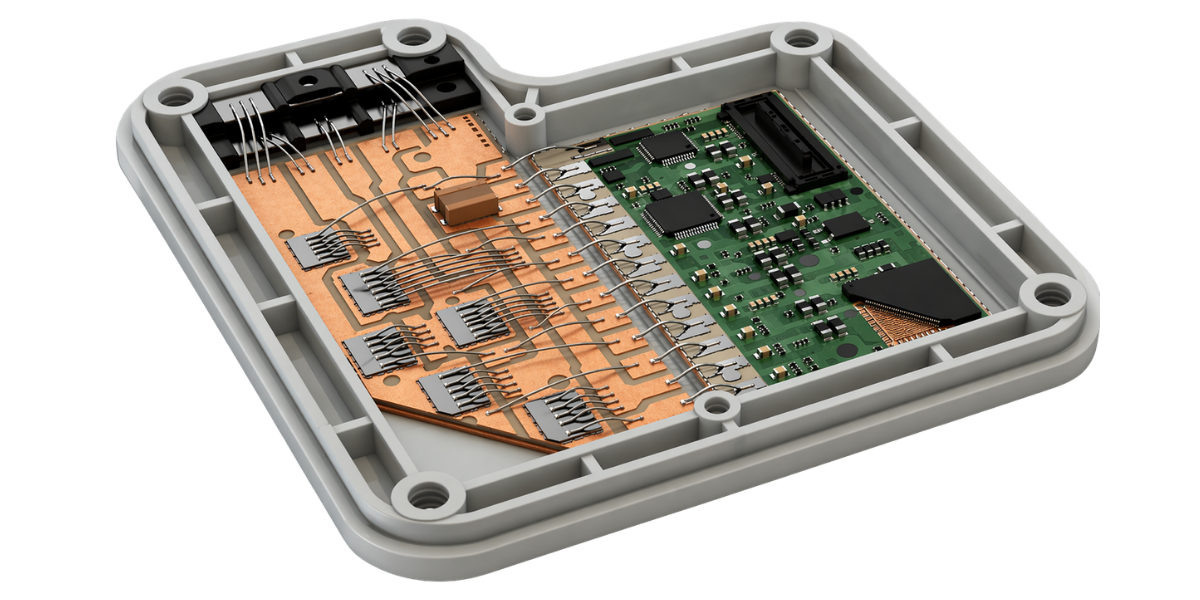 Source: MacDermid Alpha Connect Solutions ( www.macdermidalpha.com )
Interconnect materials are critical to product performance, reliability, and longevity. They enable stable electrical, thermal, and mechanical connections between components and substrates. High-quality interconnect materials support assemblies in handling mechanical stress, heat dissipation, environmental exposure, and long-term durability.
Mechanical & Thermal Stress
Interconnects absorb mechanical and thermal stresses during power cycles. Optimized interconnect materials prevent cracks, fatigue, and loss of electrical continuity at solder joints and interfaces.
Electrical & Thermal Performance
High-quality interconnects ensure consistent conductivity and heat dissipation, avoiding resistance buildup, signal disruption, and localized overheating.
Environmental Protection
Interconnect materials protect assemblies from moisture, corrosion, vibration, and chemical exposure, maintaining reliable operation in demanding conditions.
Long-Term Reliability
Durable interconnects reduce rework, prevent premature failures, and extend product lifecycle, ensuring cost-efficient and reliable electronic assemblies.
Interconnect Market Trends in Electronics Assembly
Size of the interconnect and passive components market.
Projected market expansion driven by electronics complexity and miniaturization.
Largest production and consumption hub for interconnect materials and solutions.
Significant market due to advanced electronics and technology investments.
Interconnect materials are used to electrically and thermally connect components in electronic systems. As device designs become smaller and more complex, these materials must support higher data rates, tighter tolerances, and increased thermal loads across applications such as consumer electronics, automotive systems, industrial equipment, and telecommunications.
In addition to conventional copper-based interconnects, advanced interconnect materials are used in high-frequency applications, miniaturized PCB designs, and semiconductor packaging. These materials improve signal integrity, thermal management, and long-term reliability under demanding operating conditions.
Advanced Materials and High-Speed Connectivity Shaping Interconnects
Electronics manufacturers are increasingly adopting high-performance interconnect materials to support miniaturized PCB designs, high-frequency signals, and next-generation semiconductor packaging. Innovations include:
- Copper alloys and composite materials: Enhancing electrical conductivity and thermal dissipation in dense assemblies.
- High-speed signal materials: Maintaining signal integrity in high-frequency and high-density designs.
- Advanced packaging solutions: Supporting next-gen semiconductors and system-in-package (SiP) applications.
These trends are accelerating the adoption of interconnects that optimize signal integrity, thermal management, and long-term reliability in demanding electronics markets.
Market forecasts indicate sustained growth, with the broader interconnect and passive components market expected to expand from over USD 200 billion in 2024 to well above USD 275 billion by 2029. As electronics continue to permeate every sector, manufacturers are prioritizing materials and assembly solutions that deliver higher reliability, enhanced performance, and extended product lifecycles.
Types of Interconnect Materials for Different Application Points
Interconnects create the pathways for power, signals, and control in electronics assemblies. Each type relies on carefully selected materials — such as solder alloys, conductive adhesives, underfills, encapsulants, and UV-cure adhesives — to ensure mechanical strength, electrical performance, and thermal reliability. Understanding the right combination of interconnect type and assembly material is essential for modern, high-density, and high-performance electronic systems.
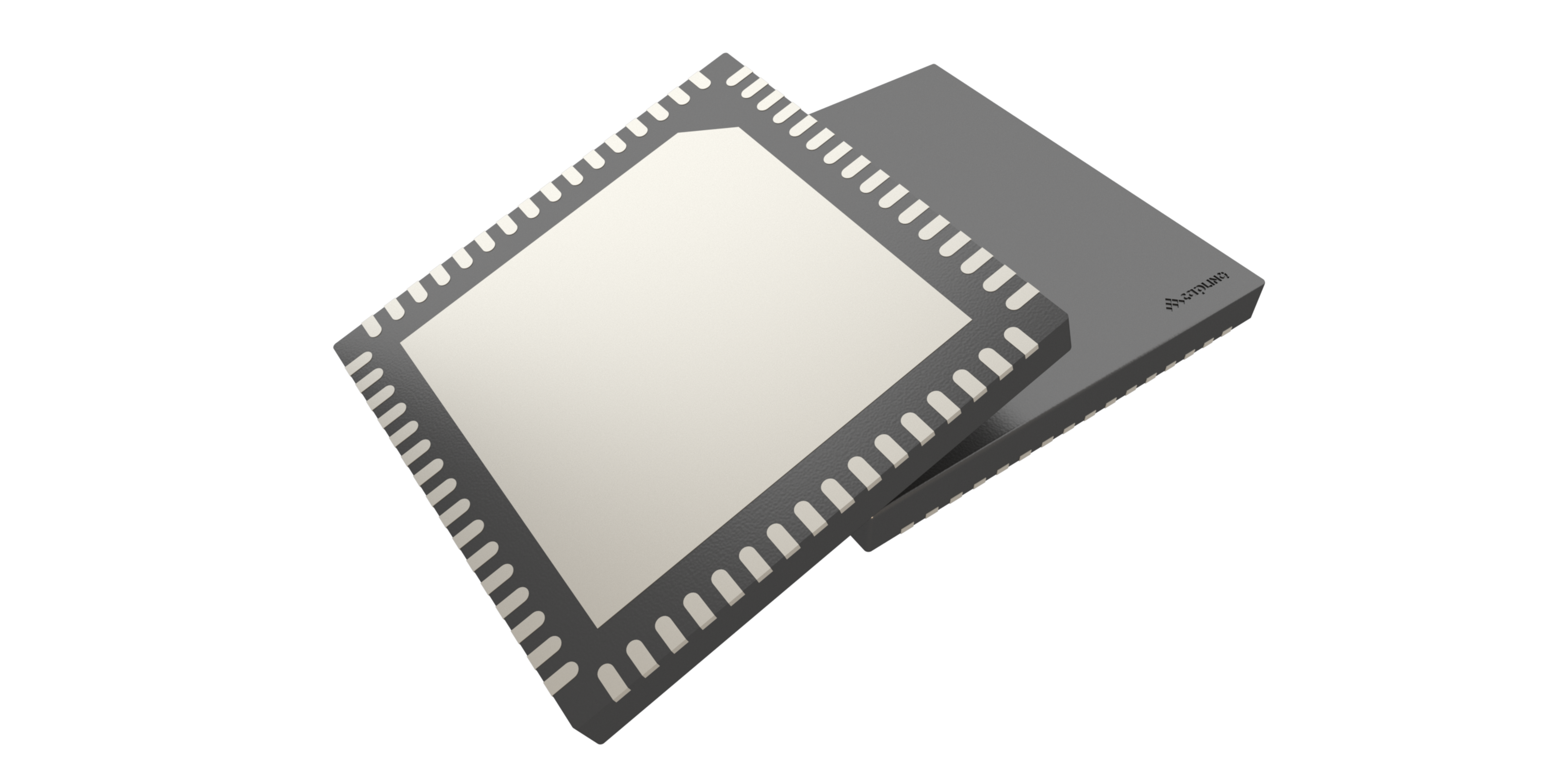
- Copper traces, pads, and vias
- Solder paste and reflow soldering for component attachment
- Surface finishes
- Ensures electrical and thermal performance in high-density boards
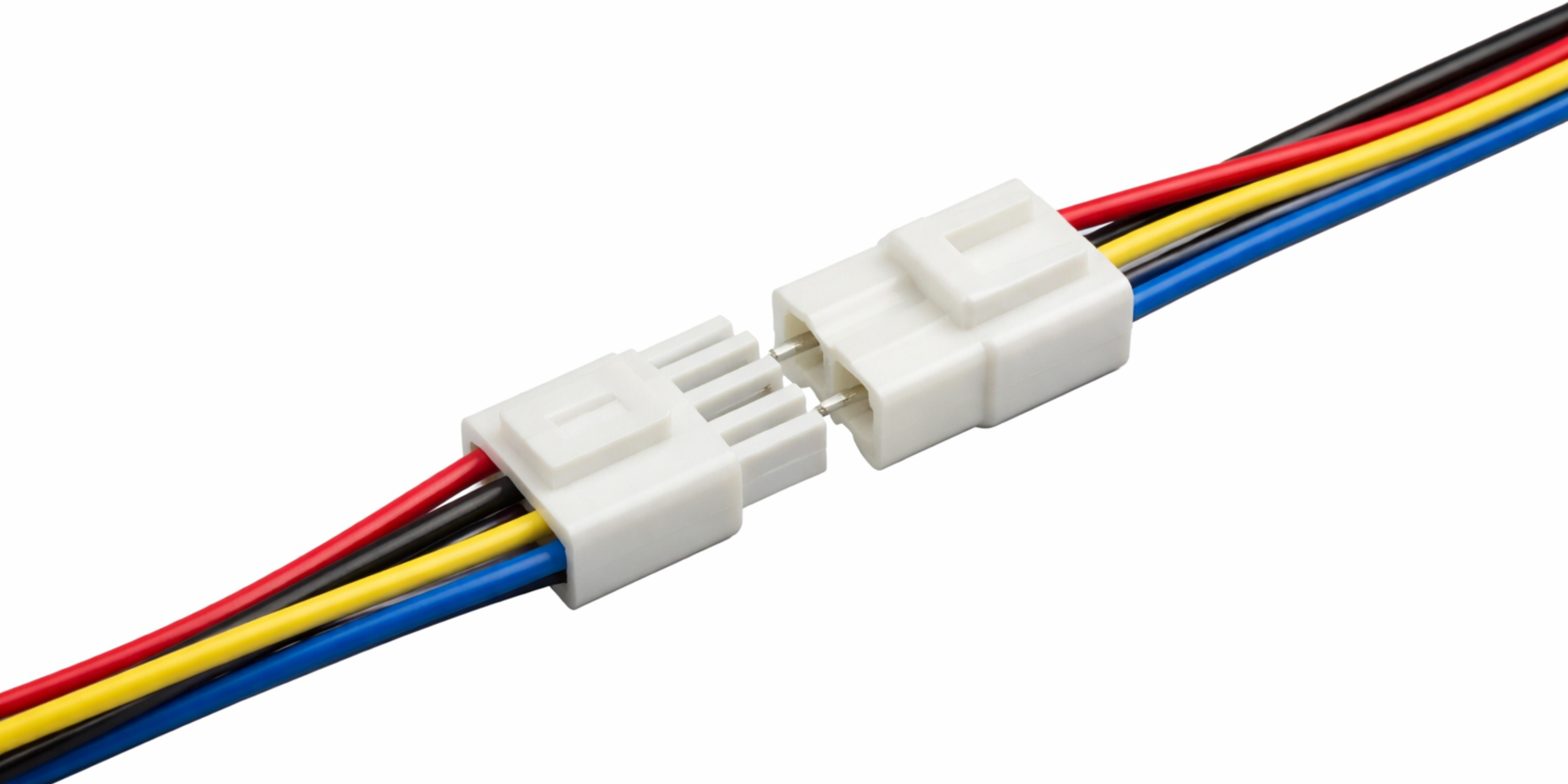
- Crimp terminals, soldered joints , or conductive adhesives
- Provides mechanical strength and electrical continuity
- Used in harnesses, power distribution, and field-serviceable wiring
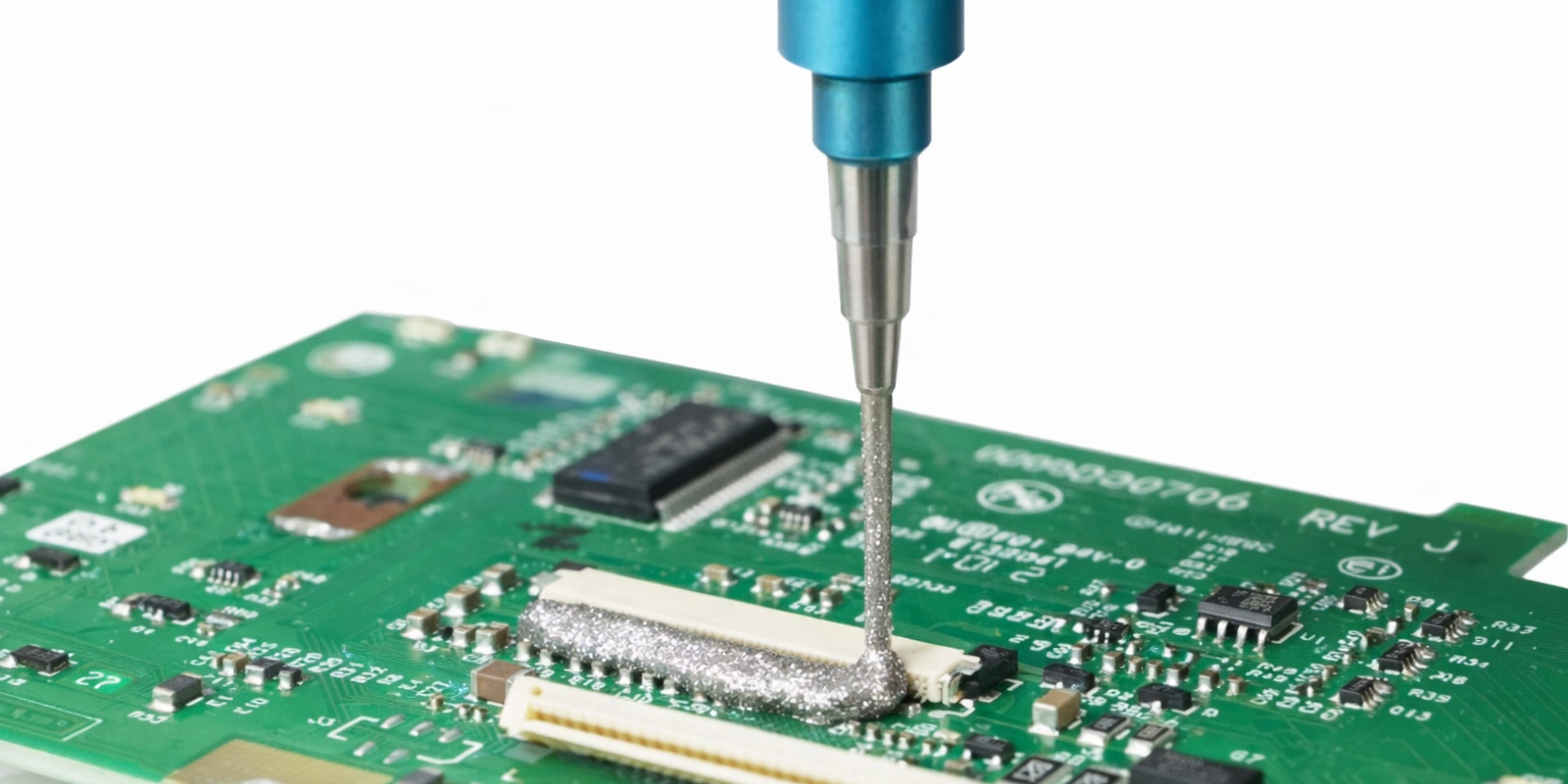
- Soldered pins, terminals, or conductive adhesives
- Accommodates thermal expansion and mechanical stress
- Ensures reliable PCB connections for off-board components
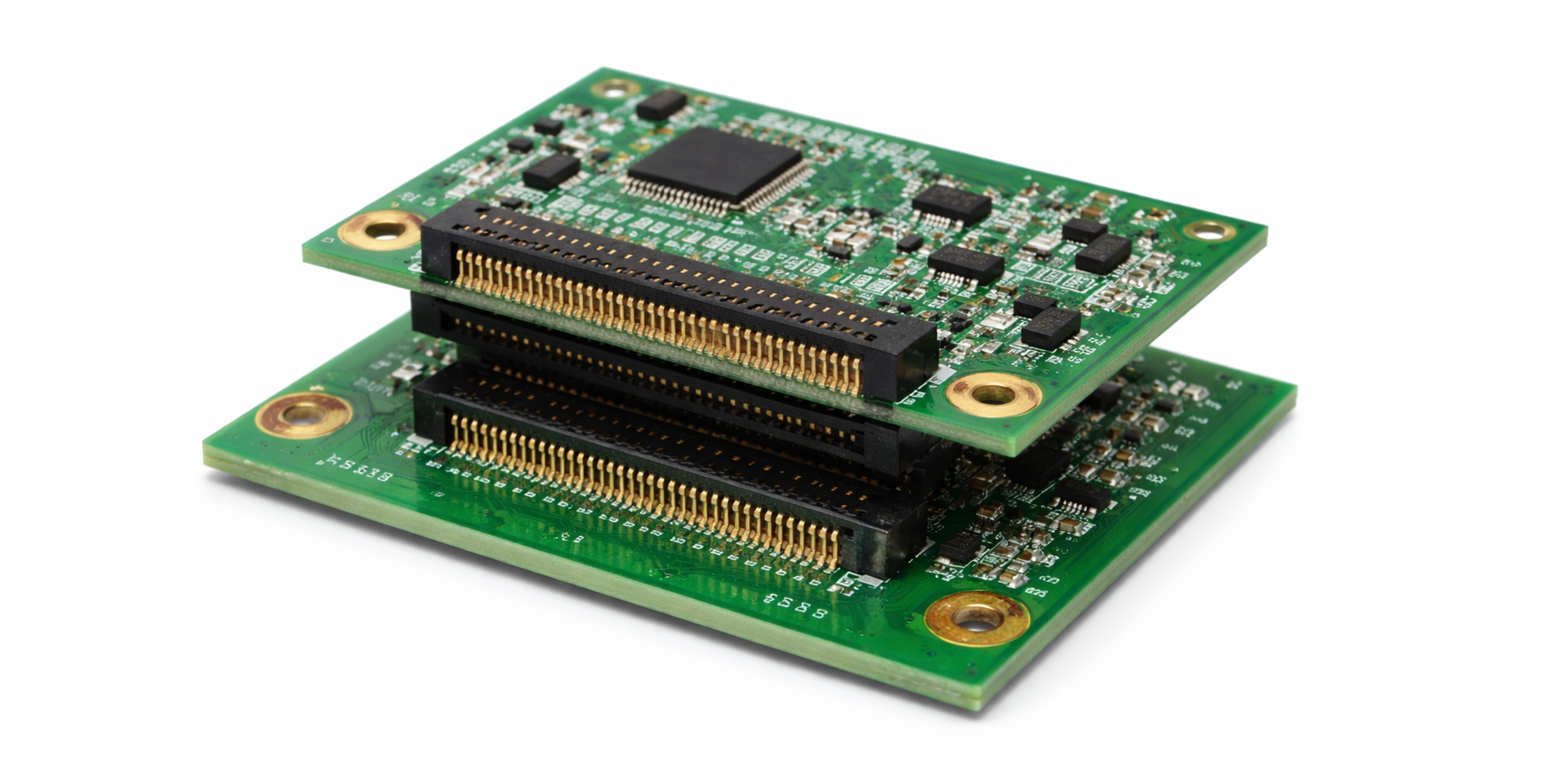
- Pluggable connectors, SMT headers, soldered pin arrays
- Reinforced with underfills or adhesives for mechanical stability
- Supports modular assemblies and stacked PCB designs
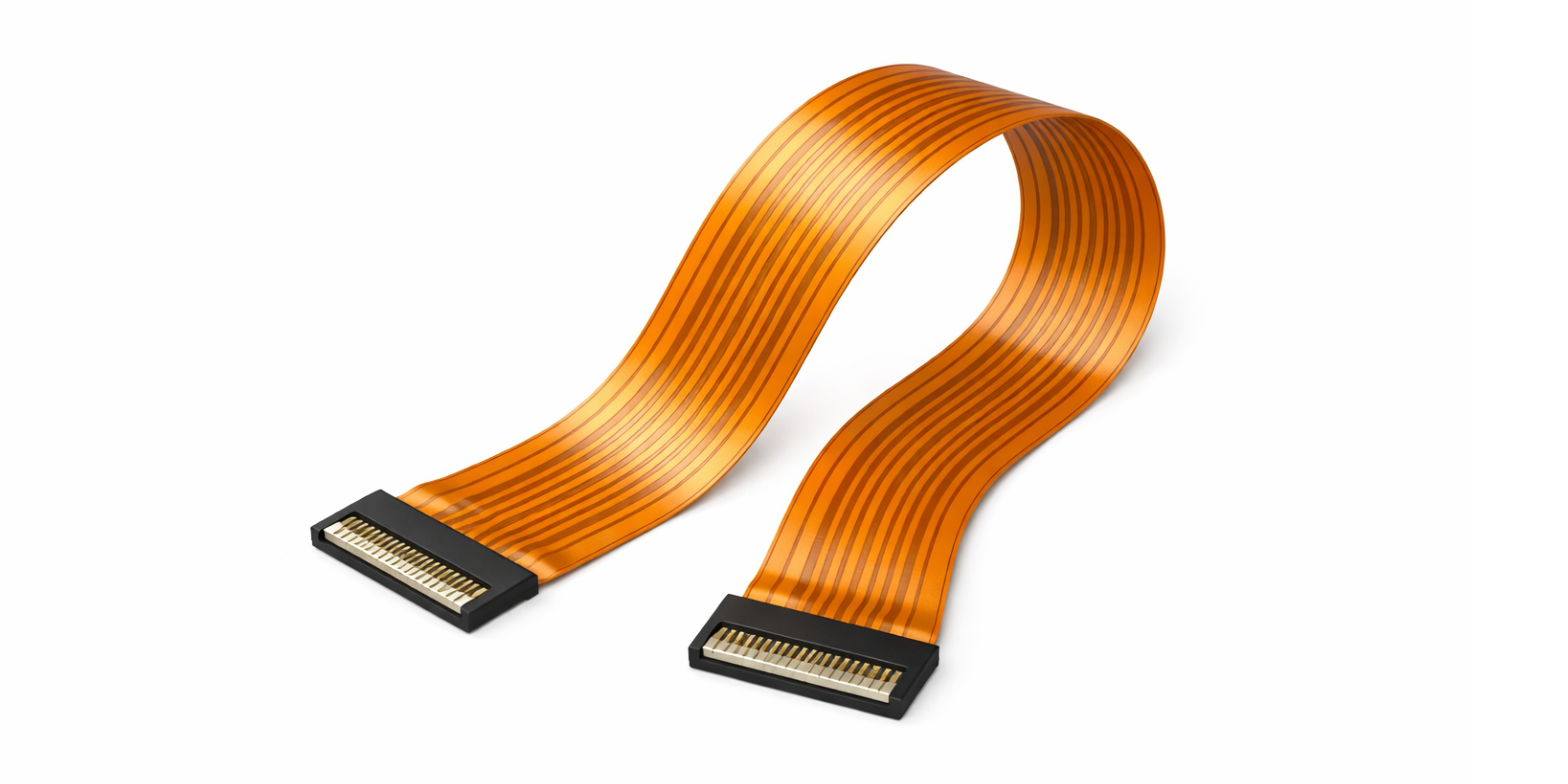
- Polyimide-based substrates with copper traces
- Joined with low-temperature solder, ACF, or conductive adhesives
- Designed to handle bending, thermal cycling, and vibration
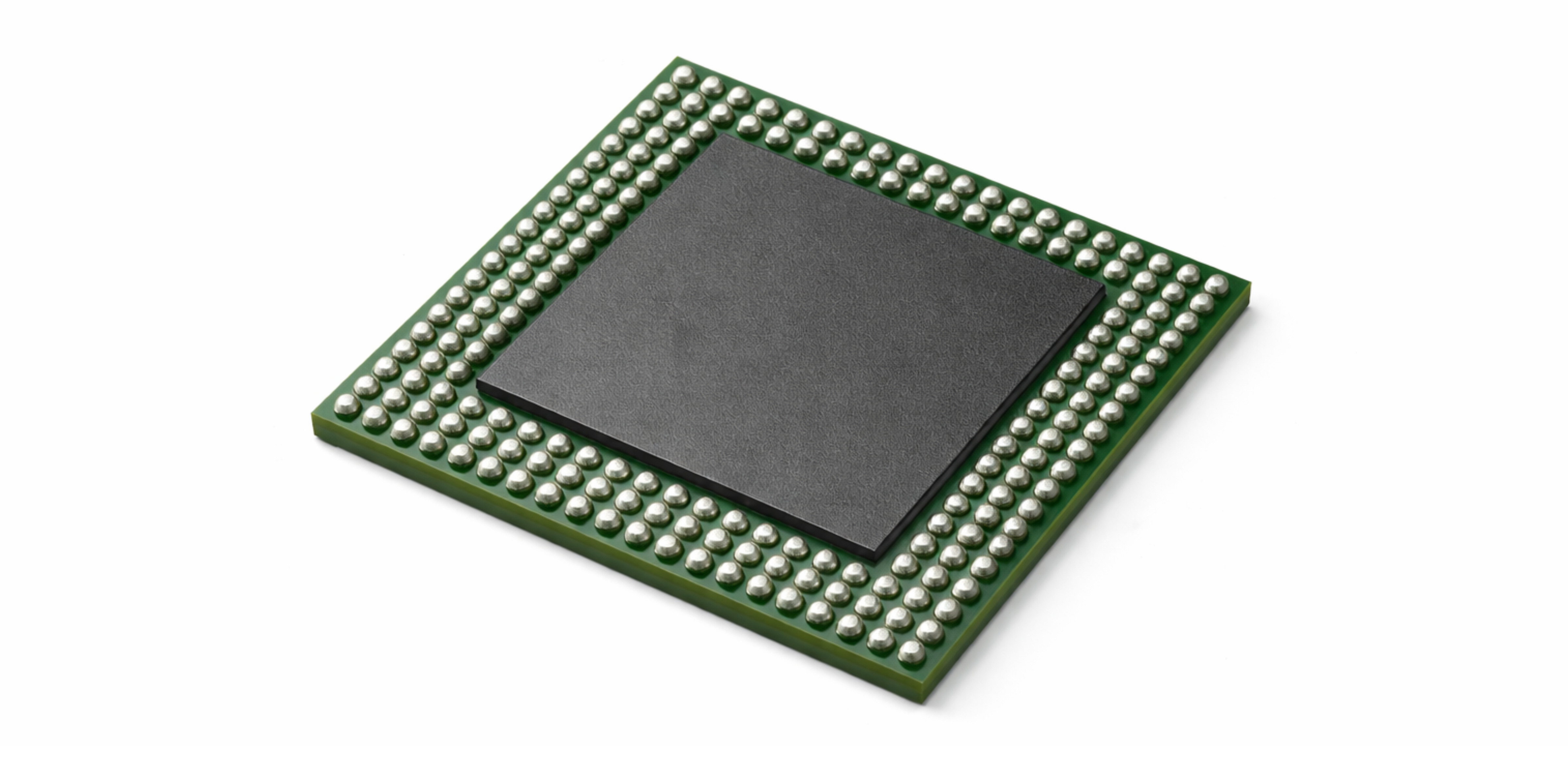
- Wire bonding, flip-chip solder bumps, microbumps, TSVs
- High-reliability solder alloys , underfills, and encapsulants
- Maintains electrical connectivity, mechanical integrity, and thermal performance in high-density packages
Soldering Materials
Soldering materials are used to create electrical and mechanical connections between components and the PCB during assembly. They form reliable interconnects that enable current flow, signal transmission, and structural attachment while maintaining performance under thermal and mechanical stress.
Typical materials
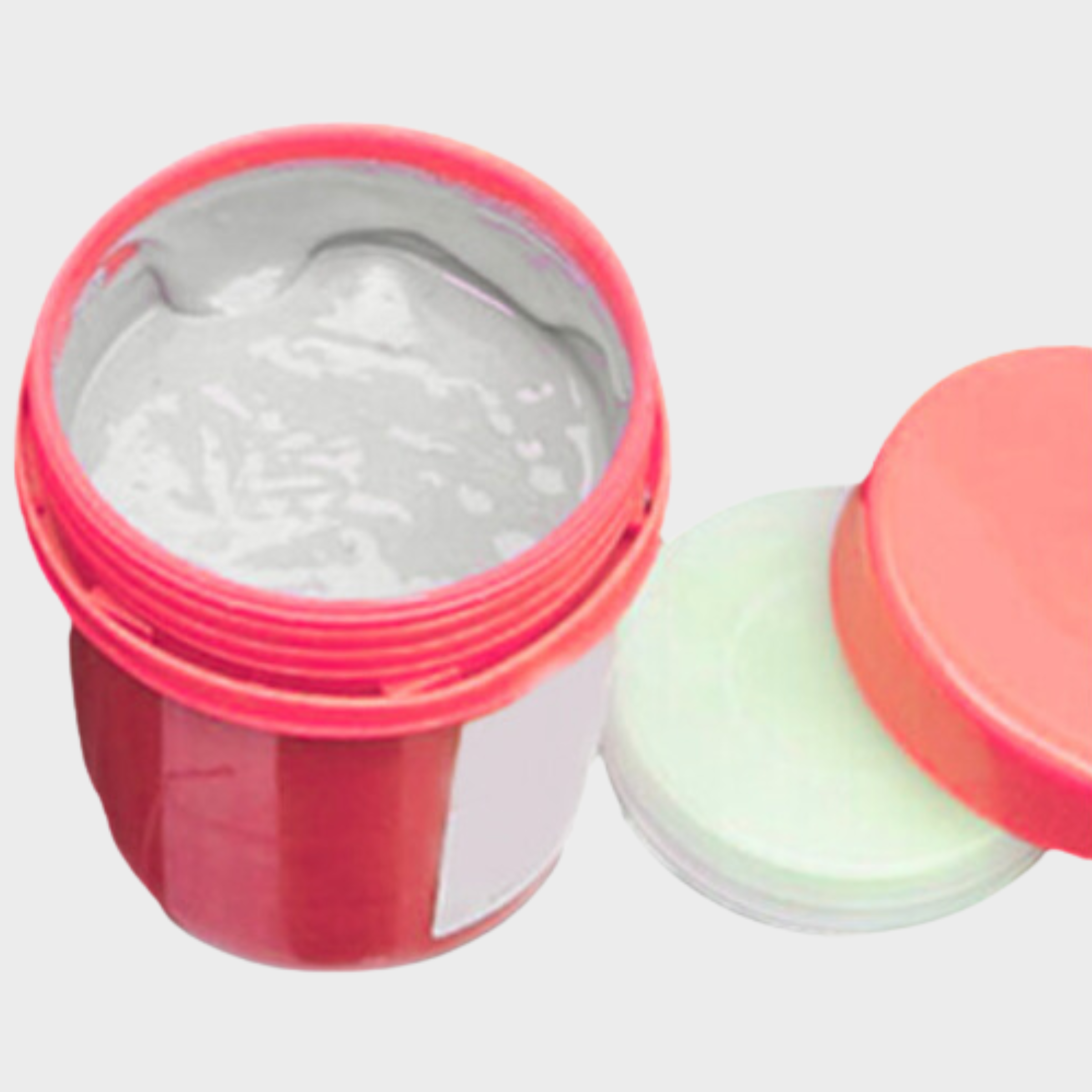
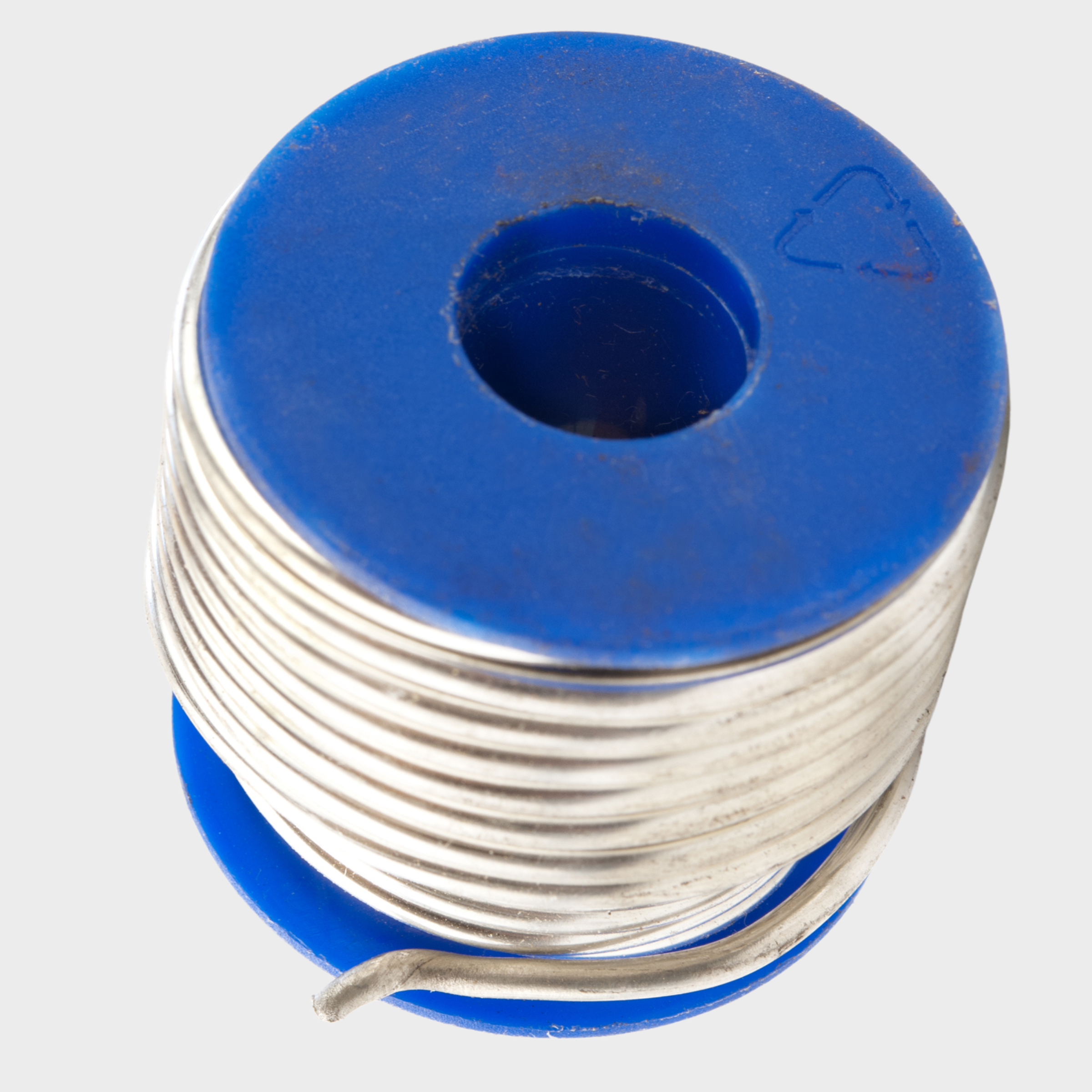
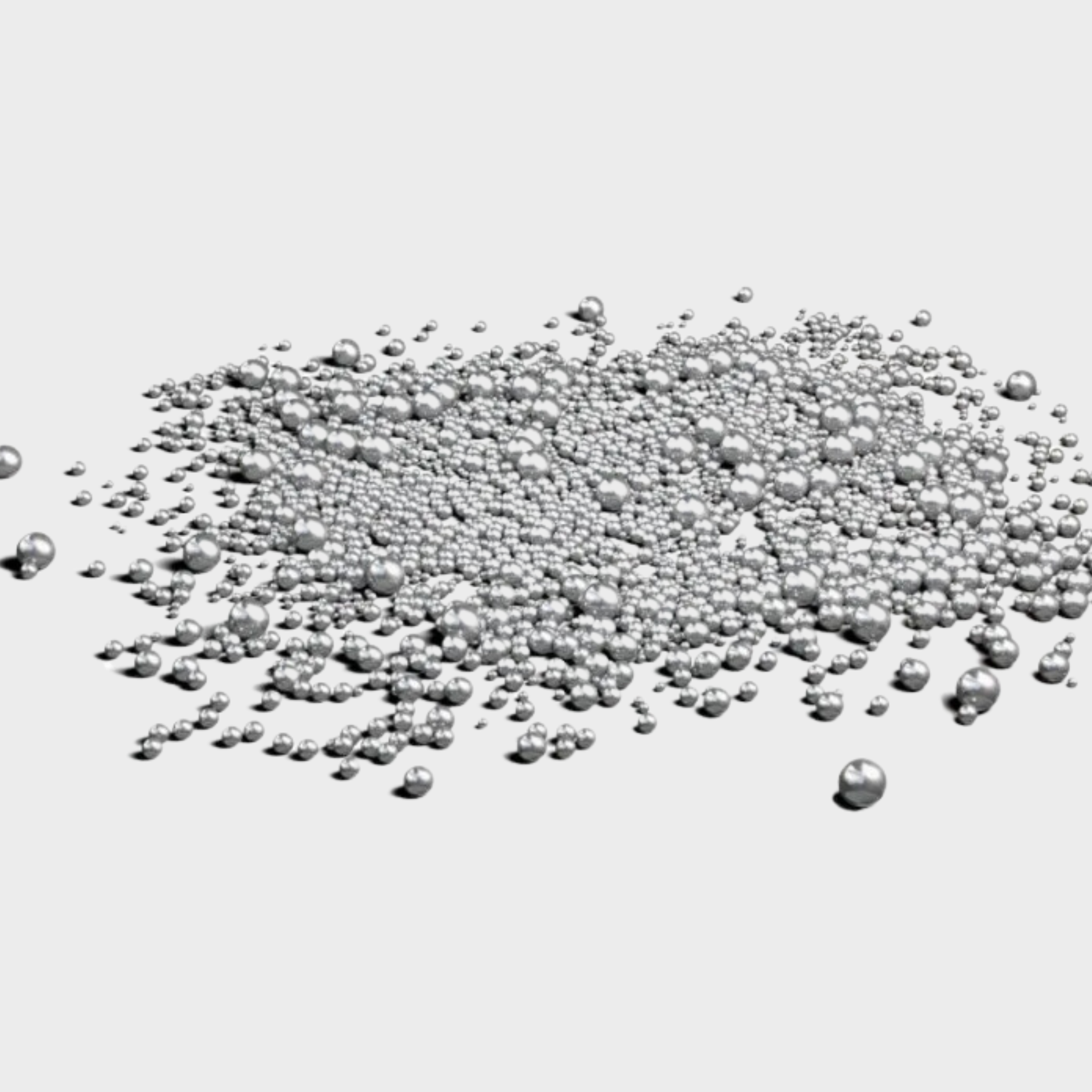
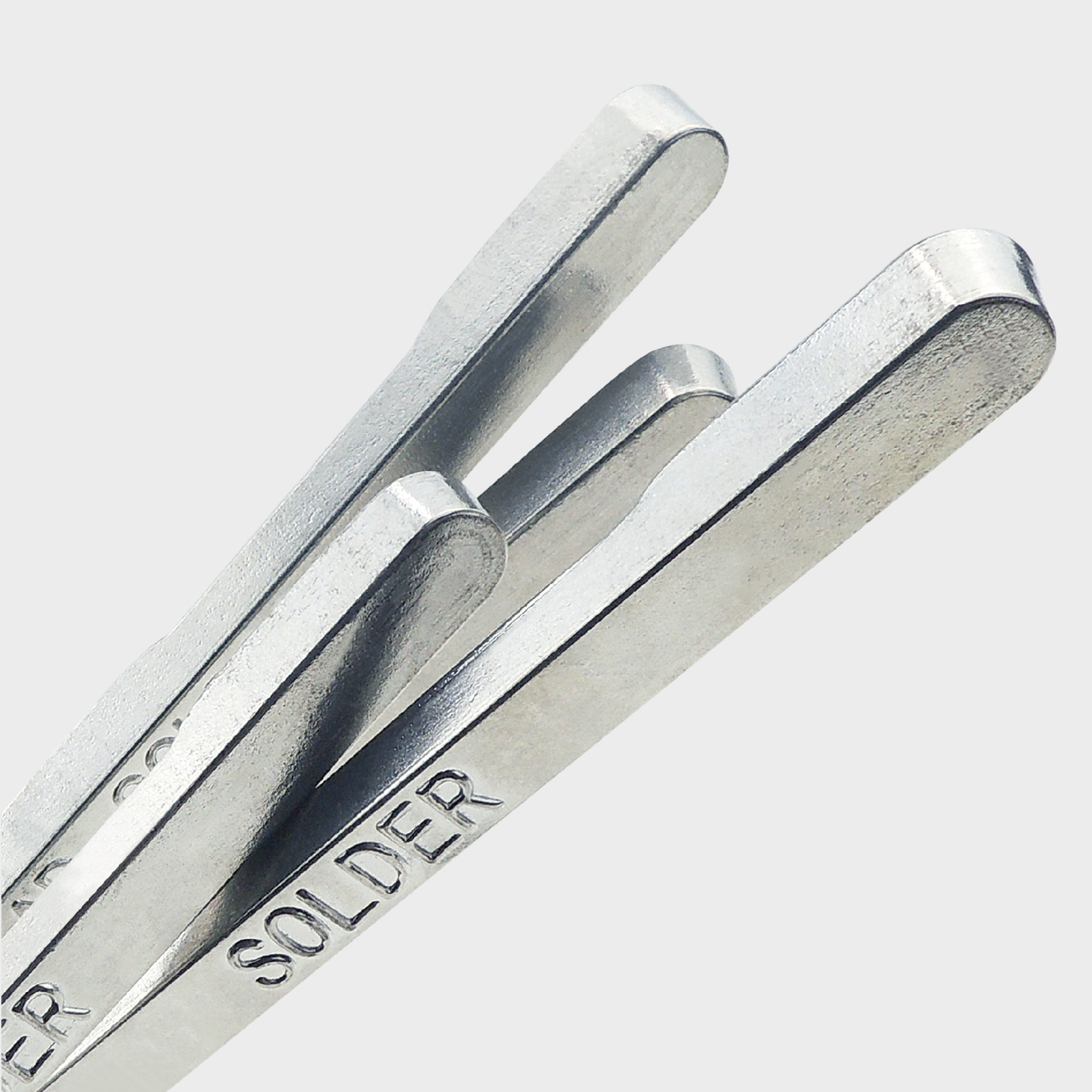
What they do
They create strong electrical and mechanical interconnections between components and PCB pads, ensuring conductivity, wetting performance, and long-term assembly reliability.
Where they are used
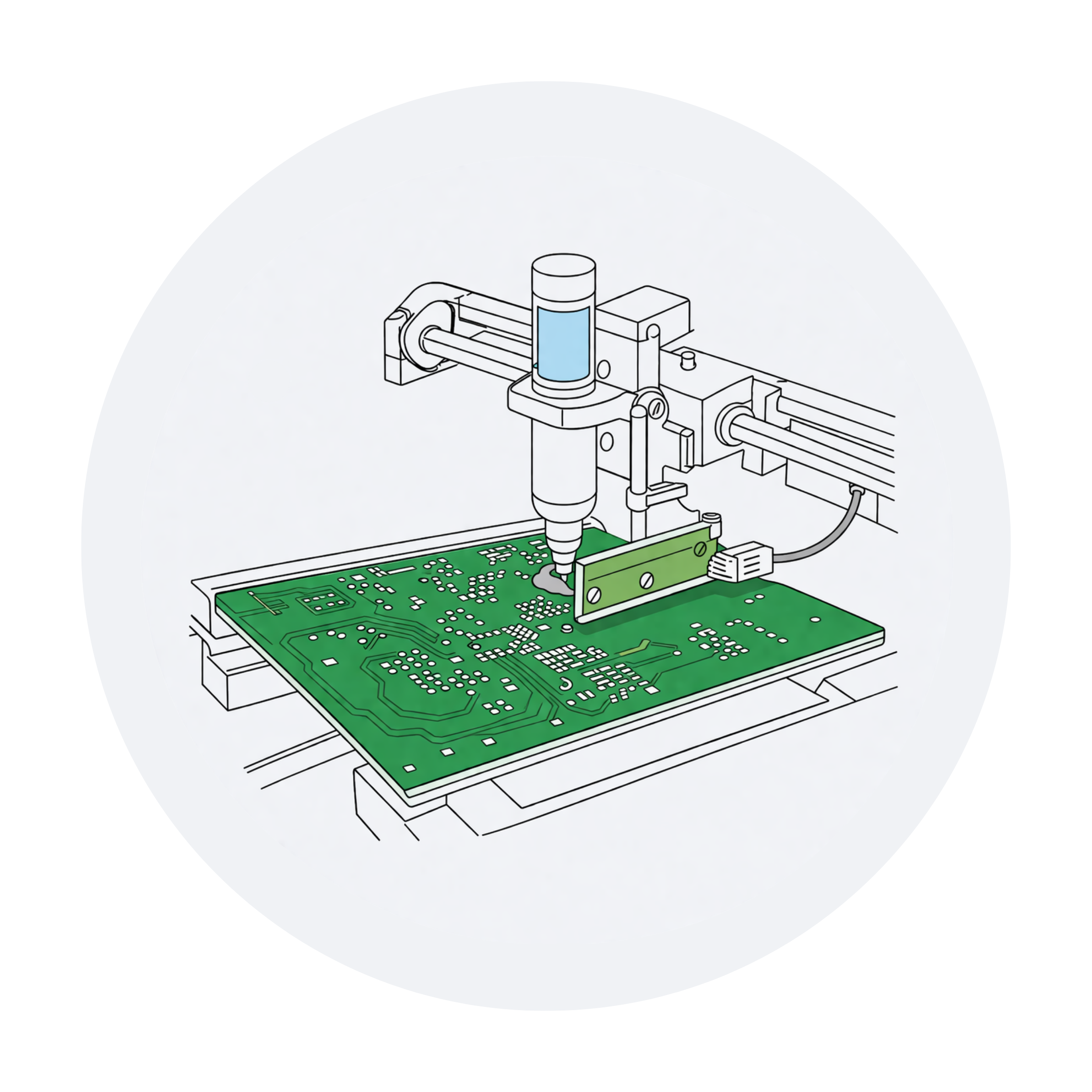
SMT Assembly
Solder paste is printed onto PCB pads to create reliable electrical and mechanical connections between surface-mount components and the board during reflow soldering.
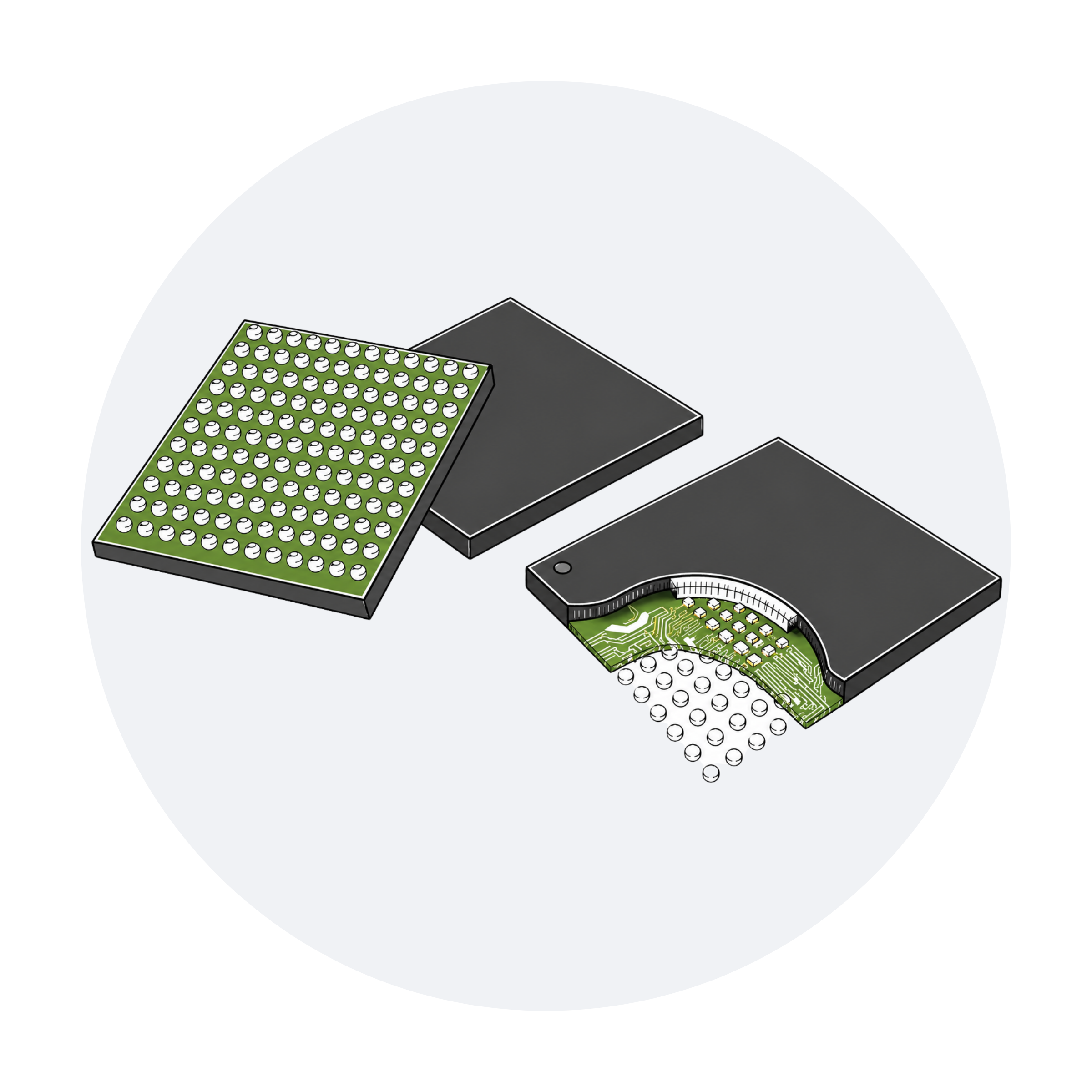
BGA & CSP Packages
Solder spheres and solder balls form high-density interconnects between package substrates and the PCB, enabling signal transmission in compact electronic assemblies.
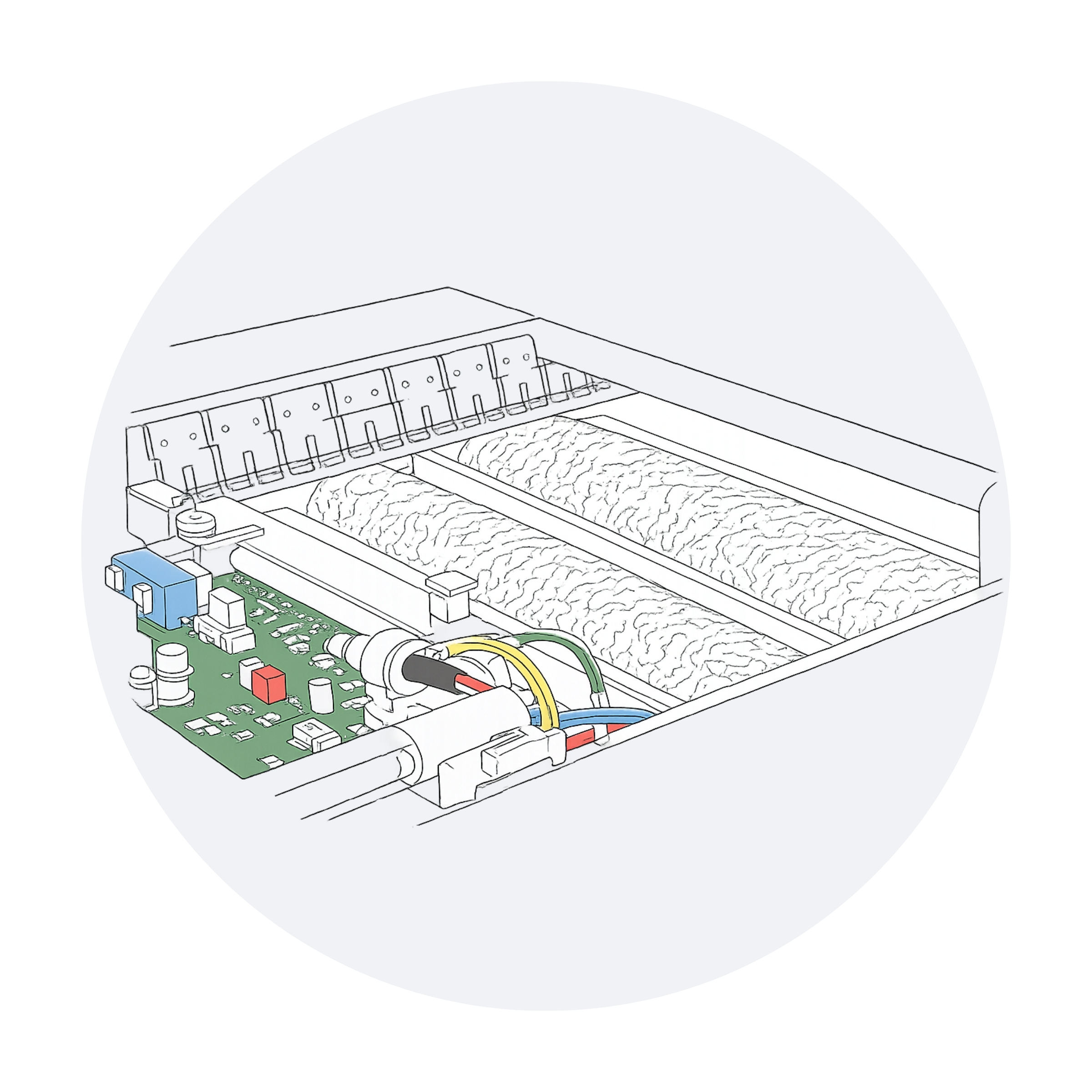
Through-Hole Assembly
Solder wire and solder bars are used in wave soldering and manual assembly to bond component leads to plated through-holes for durable electrical connections.