
Protect Electronics in Harsh Conditions
Flight-Ready Encapsulation and Coatings
-
Home

-
Aerospace
-
Flight Control & Avionics
- Aerospace Electronics Protection Solution
Aerospace Electronics Protection Solution
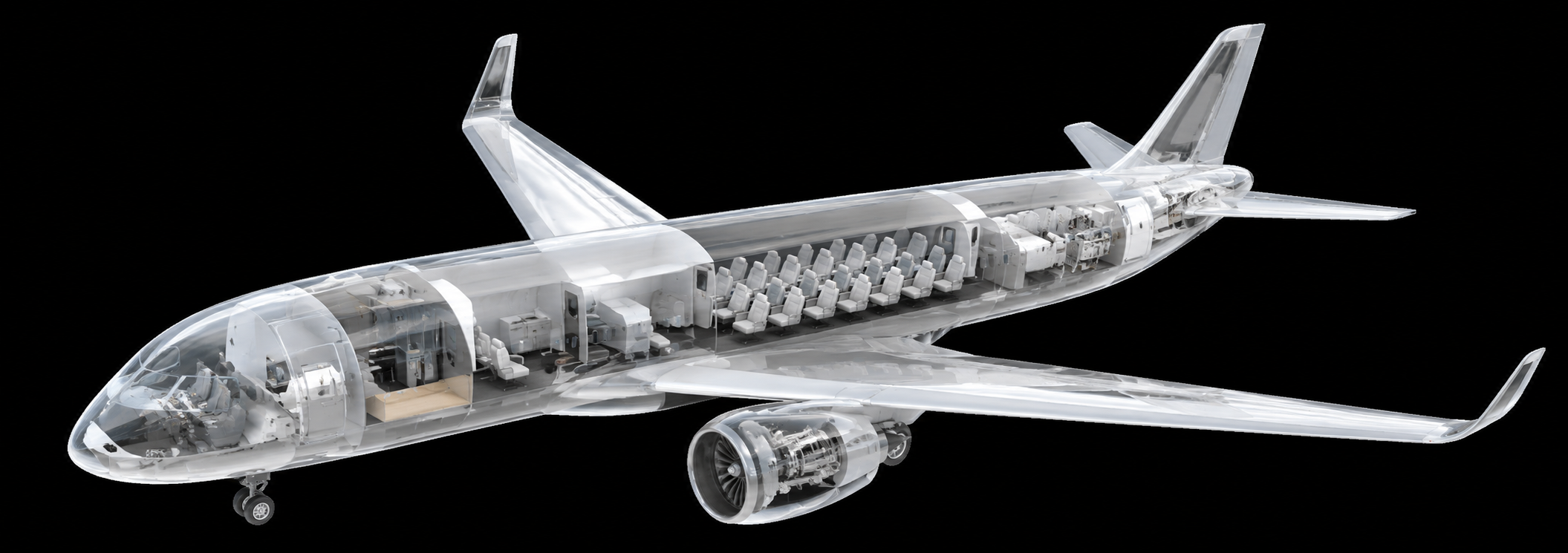
Aerospace electronics operate in one of the most demanding environments in the electronics industry. Throughout flight and ground operation, systems such as avionics control boards, navigation electronics, communication modules, and flight management systems are continuously exposed to a combination of extreme and rapidly changing conditions.
These assemblies must withstand severe temperature fluctuations, often transitioning quickly from sub-zero conditions at high altitude to elevated temperatures within avionics bays or near heat-generating systems. At the same time, they are subjected to low atmospheric pressure, continuous vibration, and mechanical shock during takeoff, flight, turbulence, and landing events.
Environmental protection and mechanical reinforcement materials provide a critical layer of reliability by shielding PCB assemblies from moisture, contaminants, vibration, and thermal stress. The main goal is to ensure consistent performance throughout the product lifecycle.
Why are there Strict Qualification and Reliability Requirements?
Because of these harsh operating conditions, reliability in aerospace electronics is absolutely critical. Failure is not an option in safety-critical systems, which means every material, component, and process must be carefully evaluated and validated before use.
Only materials that pass extensive qualification testing and meet strict industry or OEM requirements are approved for use in aircraft systems. In many cases, components must be selected from approved vendor lists (AVLs) and demonstrate compliance with aerospace standards and qualification programs.
Two of the most important qualities for materials used to support aerospace electronics include:
Environmental Protection
- Moisture & Humidity Resistance
Prevents condensation, leakage currents, and electrochemical migration that can lead to circuit failure - Contaminant & Chemical Barrier
Shields against dust, salt spray, airborne pollutants, and corrosive chemicals that degrade performance - Corrosion Prevention
Protects exposed conductors, solder joints, and component leads from oxidation and chemical attack - Thermal & Environmental Stability
Enables reliable operation across wide temperature ranges and fluctuating environmental conditions
Long-Term Reliability
- Enhanced Reliability
Helps electronic assemblies maintain consistent performance in demanding aerospace environments where failure is not an option. - Improved Thermal Cycling Performance
Reduces the risk of cracking, delamination, and other failures caused by repeated temperature fluctuations. - Reduced Maintenance Requirements
Protects critical circuitry from environmental degradation, helping to decrease inspection, repair, and replacement needs. - Extended Product Lifespan
Minimizes wear-out mechanisms caused by mechanical fatigue and environmental exposure
Material Qualification for Aerospace Applications
Before a material can be used in aerospace electronics, it is typically subjected to a range of environmental and reliability tests designed to simulate real-world operating conditions. These evaluations help ensure that materials can withstand the demanding environments encountered during flight and throughout the service life of the aircraft.
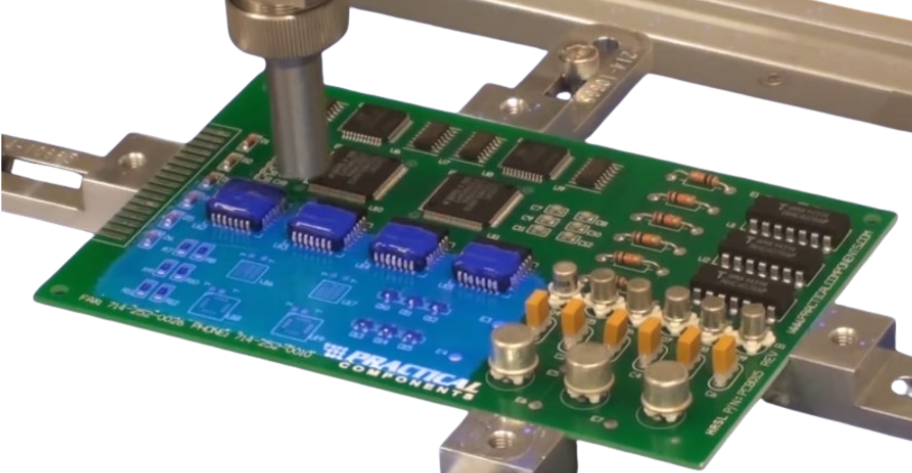
Common Qualification Testing for Aerospace Materials
- Thermal shock and thermal cycling
- High-temperature operating life (HTOL)
- Humidity and moisture resistance
- Salt fog and corrosion resistance
- Vibration and mechanical shock testing
- Outgassing characterization
- Chemical resistance
- Flammability compliance
- MIL-I-46058C
- IPC CC-830B
- UL746E
- UL94
Aerospace electronics must withstand rapid transitions between high and low temperatures without compromising performance or reliability.
Continuous vibration, mechanical shock, and G-forces can place significant stress on electronic assemblies throughout their service life.
Exposure to moisture, condensation, corrosive atmospheres, and chemical contaminants can lead to premature electronic failures if left unprotected.
Component-Level Reinforcement
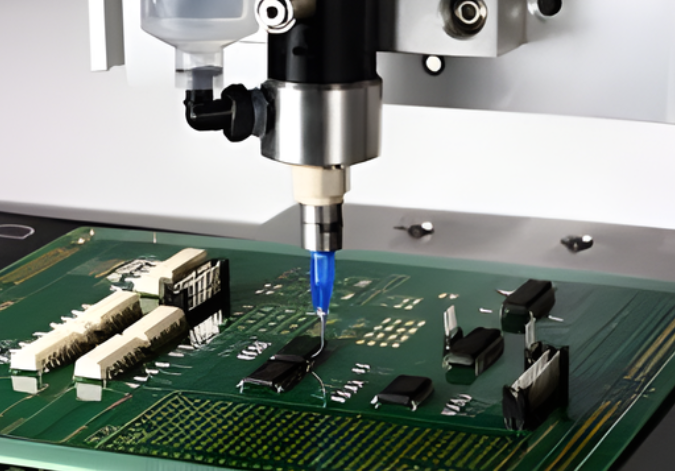
Component-level reinforcement focuses on strengthening critical areas of the PCB, particularly solder joints and interconnections that are vulnerable to mechanical and thermal stress. Underfills are commonly used to fill the gap between components and the substrate, creating a more mechanically robust structure.
By redistributing stress away from solder joints, underfills significantly improve resistance to thermal cycling, vibration, and mechanical shock. This enhances the reliability of fine-pitch components such as BGAs and CSPs, which are especially susceptible to fatigue-related failures.
Unlike surface coatings, this approach is localized, targeting only high-risk components without affecting the entire assembly. This makes it a highly efficient solution for improving durability without adding unnecessary material or weight.
Improves solder joint reliability, enhances resistance to thermal cycling and vibration, and provides targeted mechanical reinforcement for critical components.
Localized protection only, does not provide full environmental sealing, and may add complexity to assembly and rework processes.
Automotive electronics, power modules, high-performance computing systems, and applications with high vibration or thermal cycling demands.
Assembly-Level Protection
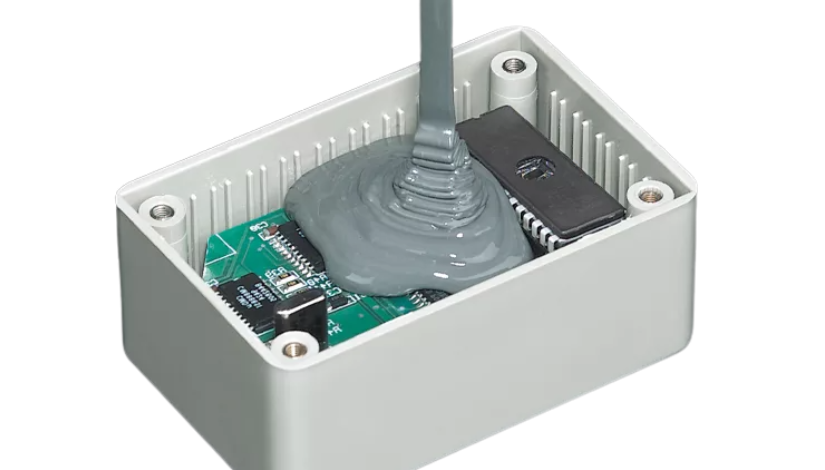
Assembly-level protection provides comprehensive coverage by enclosing part or all of the PCB within protective materials such as potting compounds and encapsulants. These materials create a physical barrier that isolates the electronics from environmental and mechanical stressors.
Potting and encapsulation deliver strong protection against moisture, chemicals, and contaminants, while also providing vibration damping, shock absorption, and structural reinforcement. In addition, thermally conductive formulations can support heat dissipation in high-power applications.
This level of protection is essential for electronics operating in harsh environments. However, it typically reduces reworkability and increases system weight and processing complexity, requiring careful consideration during design and manufacturing.
Complete environmental sealing, strong mechanical reinforcement, excellent vibration and shock resistance, and improved durability in harsh conditions.
Limited or no reworkability, added weight, more complex processing, and potential challenges in thermal expansion management.
Battery management systems (BMS), industrial and outdoor electronics, automotive under-hood systems, and aerospace or defense applications.
Integrated Protection Approach
In many advanced applications, optimal reliability is achieved by combining multiple protection levels. For example, a PCB may use underfill for critical components, conformal coating for surface protection, and selective potting for high-risk areas.
This integrated approach ensures that each failure mode—whether environmental or mechanical—is addressed with the most appropriate material solution.
Conformal Coatings
Conformal coatings are thin protective films applied to PCB surfaces to guard against environmental exposure.
Nano coatings are ultra-thin protective layers designed for advanced, lightweight protection without impacting form factor.
What they do
They mechanically anchor components to the PCB, reducing stress on solder joints and protecting against vibration, shock, and handling damage.
- Conformal Coating - Provide a continuous protective layer against moisture, dust, chemicals, and corrosion while maintaining electrical insulation.
- Nano Coating - Deliver water repellency and contamination resistance at a microscopic level with minimal thickness and added weight.
Where they are used
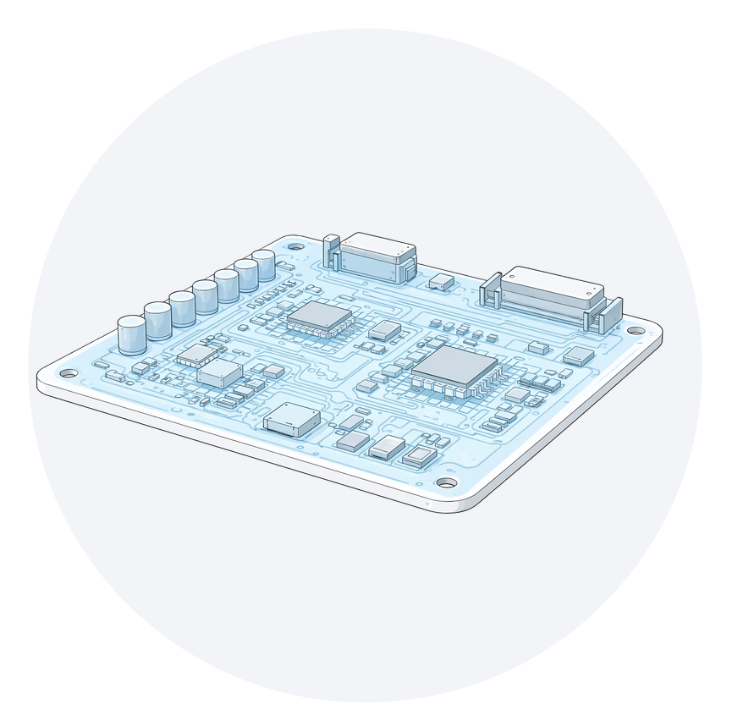
IP-rated Assemblies
EMI Shielding Materials
EMI shielding materials are used to reduce or block electromagnetic interference in electronic assemblies, ensuring signal integrity, preventing crosstalk, and maintaining reliable performance in sensitive electronic systems.
Typical materials
Conductive coatings, conductive gaskets, metal-filled epoxies, EMI shielding foams, conductive tapes
What they do
They create a conductive barrier that absorbs, reflects, or redirects electromagnetic energy, helping to protect circuits from external interference and preventing devices from emitting unwanted signals that could disrupt nearby electronics.
Where they are used
Wearables & Consumer Devices
High-Density PCB Assemblies
Sensitive Sensor Applications
Encapsulation Materials
Encapsulant materials are protective compounds used to fully enclose PCB components, providing robust environmental and mechanical protection.
Globtop, Dam and Fill, Potting compounds, Underfills
Typical materials
Epoxies, polyurethanes, silicones, hybrid resin systems
What they do
They provide complete sealing against moisture, chemicals, and contaminants while offering strong mechanical support, vibration resistance, and enhanced thermal management. They also improve electrical insulation and long-term reliability in harsh environments.
Where they are used
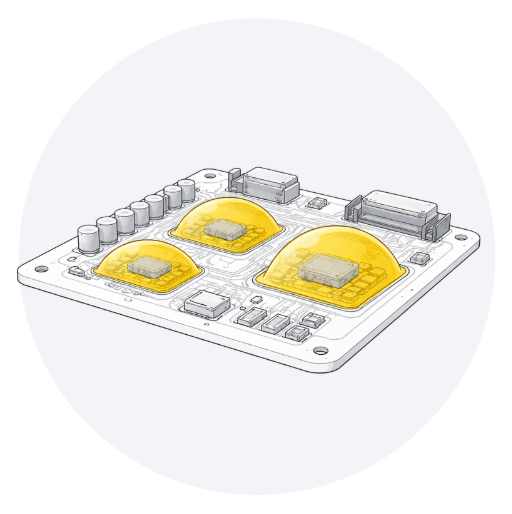
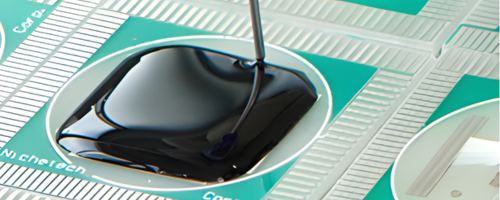
Globtop encapsulation for PCB
Encapsulates individual components with a resin dome, providing cost-effective protection against mechanical damage and contamination.
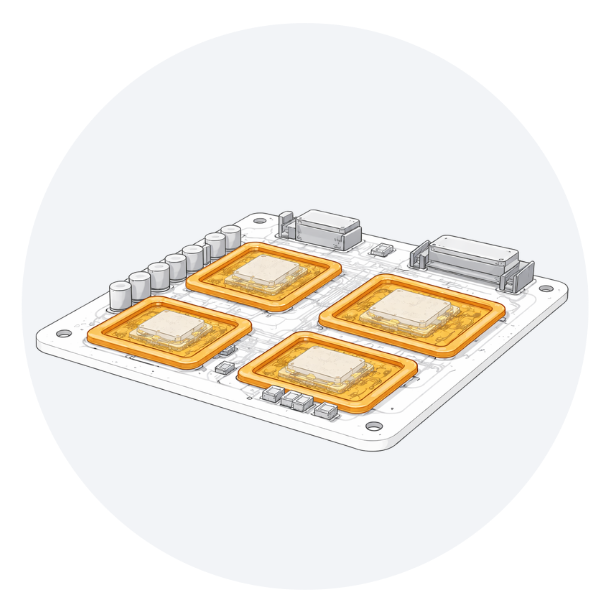
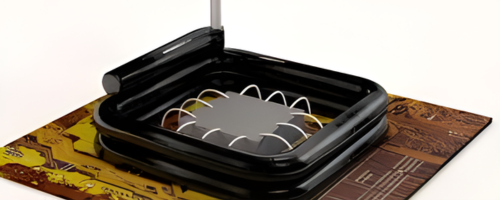
Dam & Fill Encapsulation for PCB
Creates a defined barrier and fills targeted areas for controlled, localized protection without spreading to adjacent components.
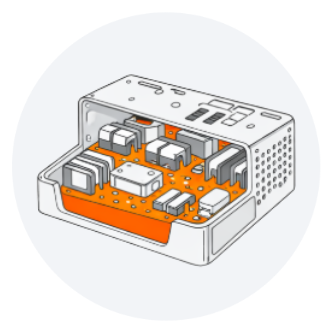
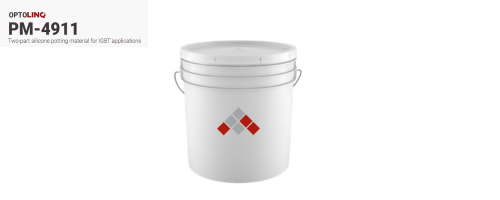
Harsh Environment Electronics Potting
Fully encapsulates the assembly for maximum protection, offering strong resistance to moisture, vibration, and environmental exposure.
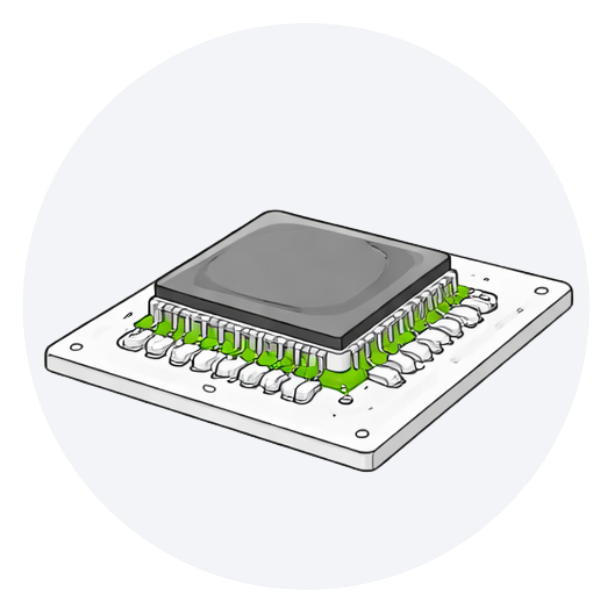
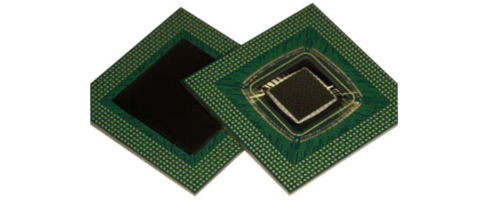
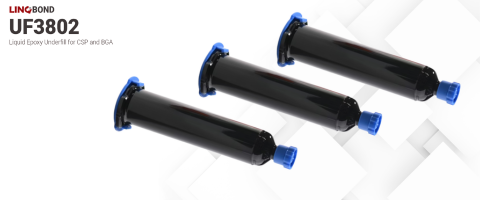
Underfills for BGA, CSP, and Flip-Chip Packages
Fills gaps beneath components to reduce stress on solder joints and improve reliability under thermal and mechanical strain.
Protection and Reinforcement for Aerospace Electronics Solutions
Protecting and reinforcing PCB assemblies is critical to ensuring long-term reliability in demanding operating environments. From moisture and chemical exposure to mechanical stress and thermal cycling, modern electronics require carefully selected material systems that safeguard performance at every stage of the assembly. Learn about leading material suppliers offering advanced solutions for conformal coating, nano-protection, staking, encapsulation, underfill, dam & fill, and potting applications. Each portfolio addresses specific protection and reinforcement needs across PCB architectures, helping manufacturers improve durability, electrical stability, and overall system reliability.
Henkel Potting Solutions
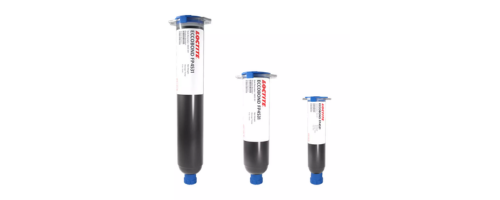
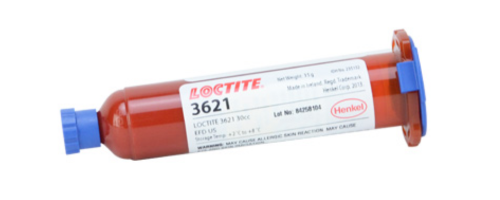
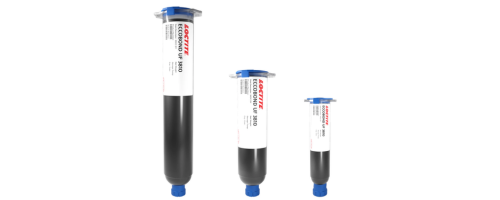
Henkel offers one of the most comprehensive portfolios for PCB protection and reinforcement, spanning staking, encapsulation, underfill, dam & fill, glob top, and full potting systems. Their LOCTITE® and STYCAST™ brands are widely used in high-reliability electronics manufacturing.
Material focus
Epoxy and acrylic staking adhesives, glob top encapsulants, dam & fill systems, capillary underfills, and thermally conductive potting compounds
Typical applications
Component staking, die and chip protection, BGA underfill, chip encapsulation (glob top), PCB edge sealing (dam & fill), and full board potting for environmental protection
CAPLINQ LINQBOND Potting Solutions
CAPLINQ’s LINQBOND portfolio provides a flexible and application-driven range of materials for PCB protection and reinforcement. Designed for manufacturing compatibility and long-term reliability, LINQBOND covers staking, glob top, dam & fill, underfill, and potting systems.
Material focus
Epoxy and polyurethane staking adhesives, glob top encapsulants, dam & fill resins, capillary underfills, and potting compounds tailored for electronics assembly
Typical applications
Component staking, die protection, chip encapsulation, edge sealing, BGA underfill, and full PCB environmental encapsulation
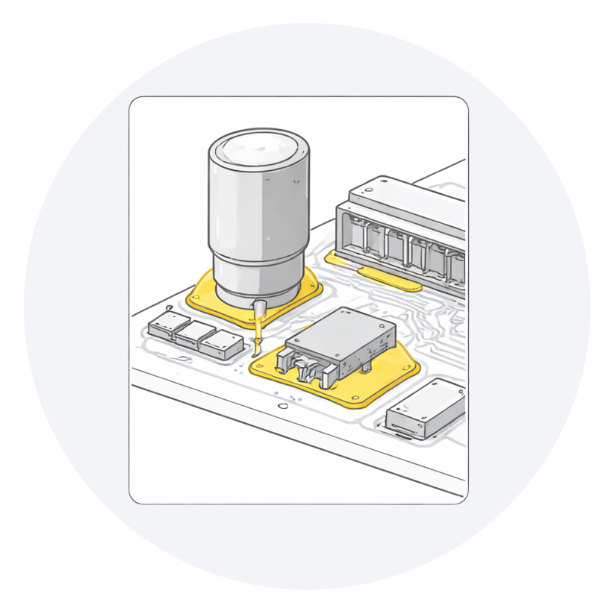
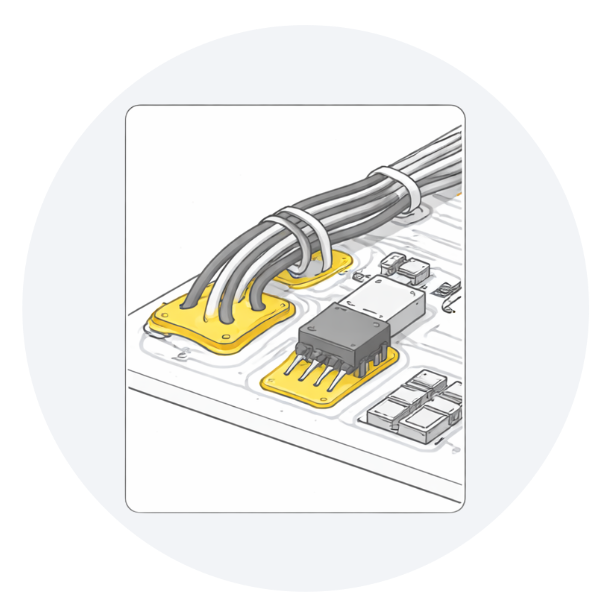
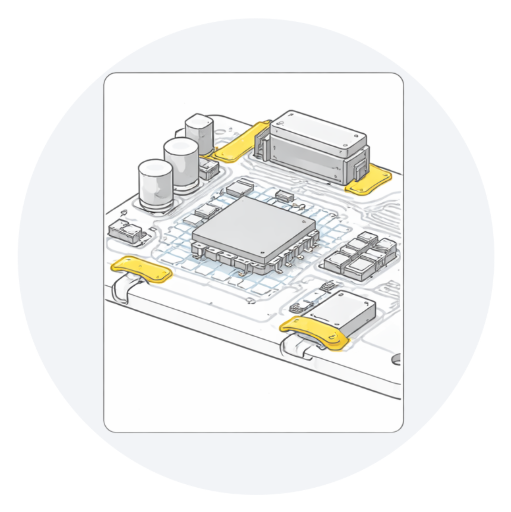
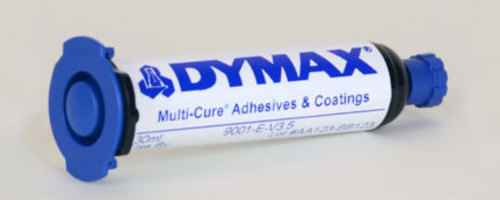
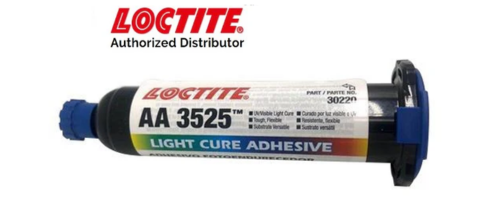
Dymax & Henkel Staking Adhesive Solutions
Dymax and Henkel provide high-performance staking adhesive solutions designed for PCB assembly and component reinforcement. These materials are engineered to improve mechanical stability, secure components, and enhance reliability under vibration and thermal stress conditions.
Material focus
Light-curable acrylic adhesives, UV-curable systems, and dual-cure staking materials for precision dispensing and rapid processing
Typical applications
Component staking, wire tacking, connector reinforcement, strain relief, and vibration resistance in electronic assemblies
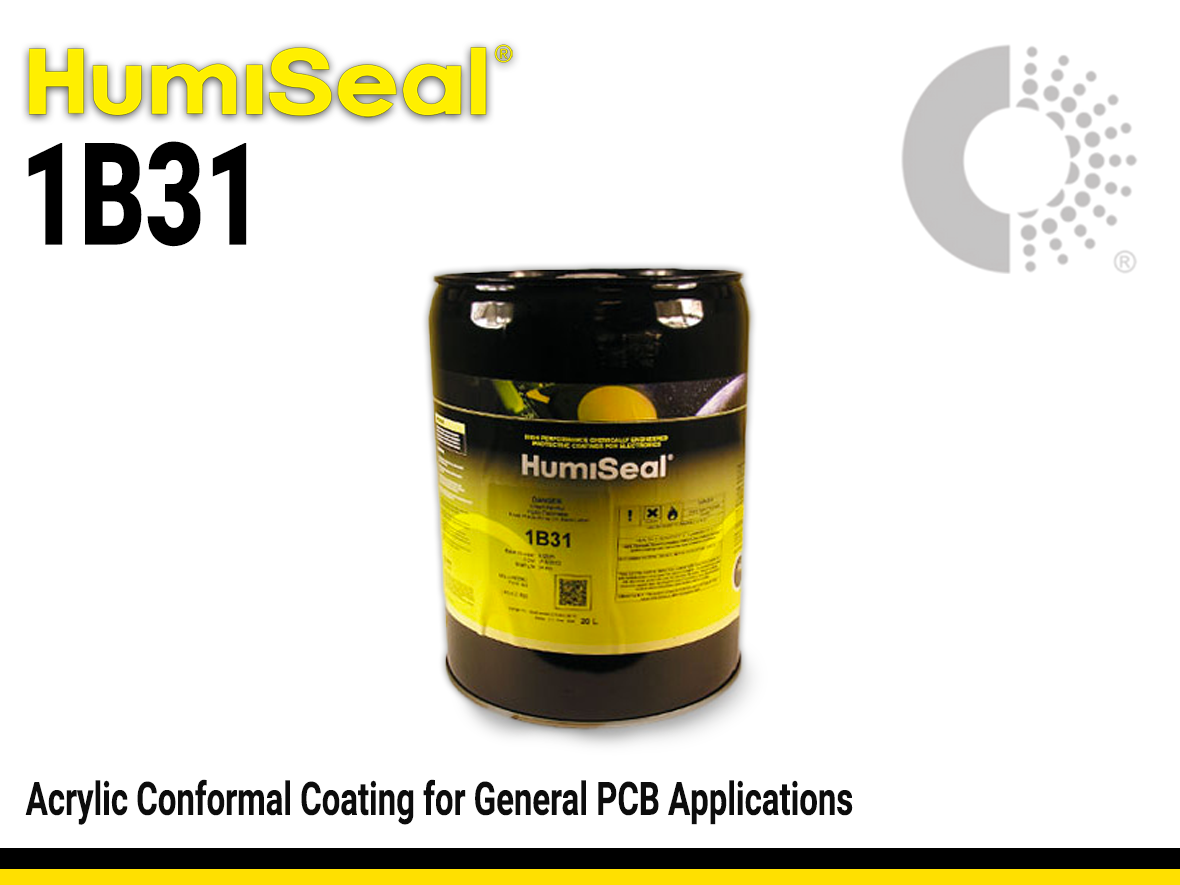
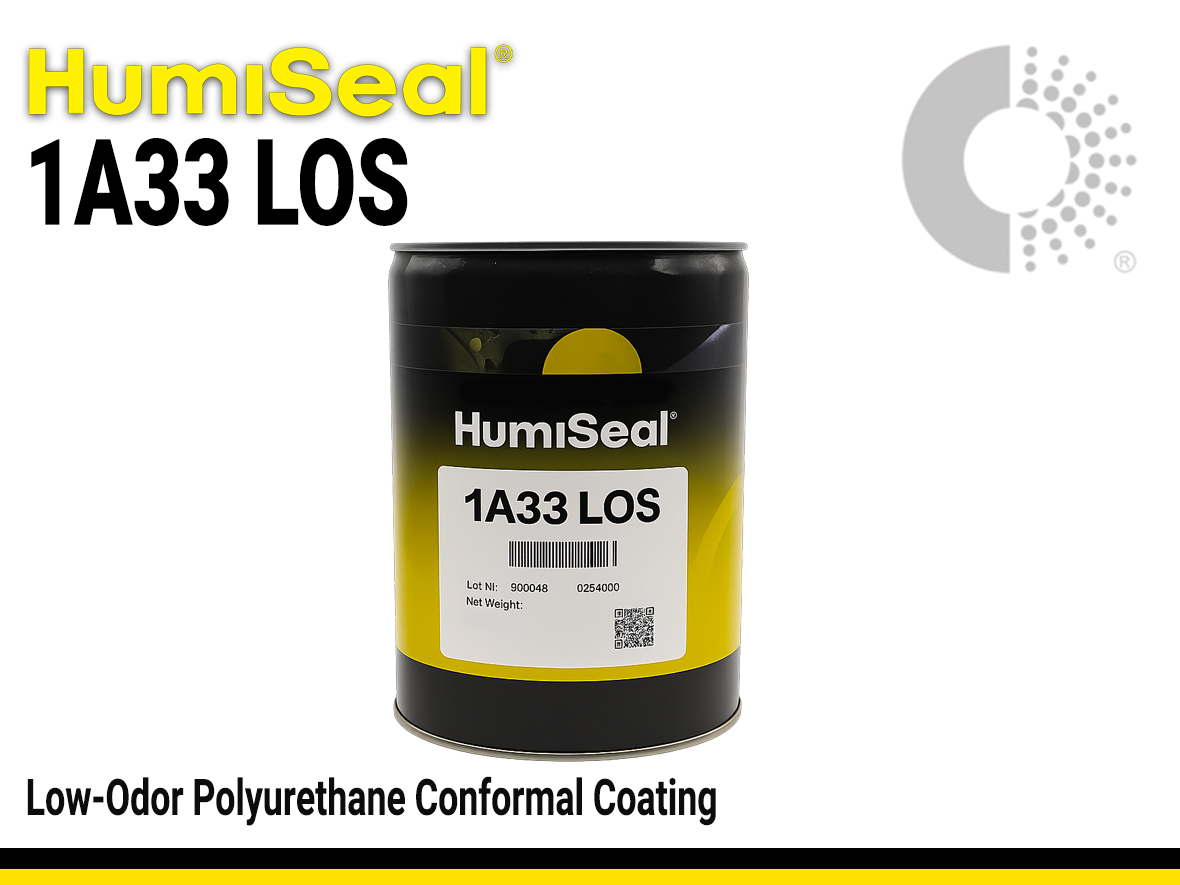
Humiseal Conformal Coating Solutions
Conformal Coatings best suited for your application
An easy way to protect a PCB and increase its longevity is to apply a Conformal Coating. A conformal coating is a thin film specifically designed to safeguard electronic assemblies. It can protect from dust, corrosion, and moisture by creating a protective layer that envelopes the PCB and all its components. Conformal coatings also electrically insulate the PCB, reducing the risk of electrical failures. Dymax develops light-curable materials optimized for rapid curing and precision reinforcement in PCB assembly. Their staking adhesives are widely used to secure components and enhance mechanical reliability.
Material focus
Acrylic, polyurethane, silicone, and UV-curable conformal coatings
Typical applications
vionics control boards, navigation electronics, radar and communication modules, cockpit control electronics, memory and data storage boards, sensor modules and power electronics.
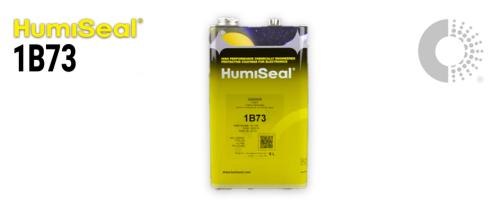
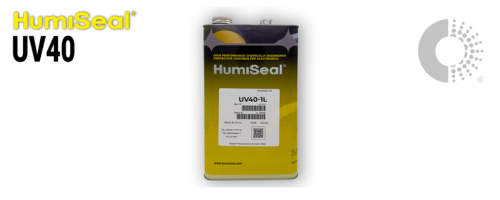
HumiSeal™ Conformal Coatings are based on different chemistries, including acrylics, silicones, synthetic rubbers, and UV-curable acrylates. Each chemistry offers distinct properties suited for specific application requirements, such as electrical insulation, moisture resistance, chemical protection, or mechanical flexibility. These coatings are also available with varied curing mechanisms (e.g. moisture, heat, UV), allowing compatibility with different production speeds and process constraints.
FEATURED PRODUCTS
Frequently Asked Questions About Aerospace Electronics Protection
Do conformal coatings make the electronics waterproof?
Conformal coatings provide strong resistance to moisture, humidity, and contaminants, but they do not make electronics fully waterproof. They are designed to protect against environmental exposure rather than complete immersion. For waterproofing, full encapsulation, potting, or other coatings are typically required.
How do I choose the right protection method for my PCB assembly?
The right method depends on your operating environment, mechanical stresses, thermal conditions, and design complexity. Conformal coatings are ideal for lightweight protection, staking adhesives add mechanical stability, underfills improve solder joint reliability, and potting provides maximum environmental sealing for harsh conditions.
Can multiple protection materials be used in a single PCB assembly?
Yes, many PCB assemblies use a combination of materials to address different risks. For example, underfill may be used on BGAs, staking adhesives on large components, and a conformal coating applied across the board for overall environmental protection.
When is full potting necessary?
Full potting is necessary when PCB assemblies are exposed to extreme conditions such as high moisture, chemicals, vibration, or temperature fluctuations. It is commonly used in automotive, industrial, and outdoor applications where maximum protection and durability are required.


