

Low-Pressure Molding
Polyamide Hot Melt for Low Pressure Molding
-
Home

-
Products
-
Encapsulants & Underfills
- Low pressure molding
Low pressure molding
Electronic components must be shielded from high temperatures, chemicals, and moisture, but conventional injection mold bonding and encapsulation production processes are time-consuming and have design constraints. Low-Pressure Molding (LPM) is a manufacturing process ideal for encapsulating and protecting delicate electronic components, including printed circuit boards [PCBs], automotive components, mobile phone batteries, wiring harnesses, connectors, switches, sensors, control units, antennas, cables and many other crucial components. Unlike traditional injection molding or potting, LPM utilizes significantly lower pressure and heat, making it perfect for sensitive electronics that wouldn't withstand harsher environments.
LPM typically uses thermoplastic materials with low viscosity, allowing for over-molding and encapsulation of even the most sensitive PCB assembly. Since the ingredients are natural adhesives, the procedure works well for sealing circuitry against moisture, dust, and grime, often up to an IP-68 classification.
Product Selector Guide
| Property | ||||
|---|---|---|---|---|
| Attributes |
|
|
|
|
| Material | Polyamide | Polyamide | Polyamide | Polyamide |
| Appearance | Black | Black | Natural | Black |
| Shelf Life (months) | 12 | 18 | 18 | 18 |
| Physical Properties | ||||
| Operating Range (°C) | -40/+150 | -40/+150 | -20/+170 | -55/+120 |
| Melt temperature range (°C) | 220/230 | 210/230 | 210/230 | 190/210 |
| Softening point (°C) | 175-190 | 175-185 | 197-204 | 149-165 |
| Brookfield viscosity | 3.0-4.0 @220 | 4.0-6.0 @220 | 4.0-5.0 @232 | 2.5-3.5 @210 |
| Mechanical Properties | ||||
| Tensile strength (MPa) | 6.1 | 8.1 | 13.2 | 3.0 |
| Young Modulus | 83 | 90 | 240 | 32 |
| Elongation (%) | >200 | 340 | 580 | >200 |
| Shore hardness (D) | 45 | 49 | 56 | 31 |
| Moisture absorption (%) | 2.8 | 1.9 | 1.2 | 3.0 |
| Electrical Properties | ||||
| Resistivity (Ω·cm) | 2.9×10¹² | 1.4×10¹¹ | 1×10¹¹ | 2.8×10¹¹ |
| Dielectric rigidity (kV/mm) | 20 | 20 | 19 | 18 |
| Permittivity | 5.6 | 5.6 | ND | 5.7 |
| Thermal Properties | ||||
| Vicat temperature (°C) | 63 | 77 | 88 | 31 |
| Glass transition (°C) | -50 | -35 | -35 | -50 |
| UL94 flammability | V0 | V0 | V2 | V0 |
Frequently Asked Questions
Frequently Asked Questions Low-Pressure Molding (LPM)
| What is Low Pressure Molding (LPM)?
Our is a hot-melt polyamide thermoplastic resin used in low-pressure molding to encapsulate and protect electronic components such as connectors, PCBs, and cables. Does Thermelt absorb moisture?Yes. Thermelt polyamide materials are moisture-sensitive and absorb humidity from the air, so proper storage and drying are required. What does “processing moisture content <0.2%” mean?It means Thermelt material must be kept extremely dry (less than 0.2% moisture) before processing, as excess moisture can cause bubbles, poor surface quality, and reduced mechanical performance during low pressure molding. What is the minimum tolerance that Thermelt materials can hold?Thermelt materials shrink 1 to 2% depending on the grade. This must be taken into account for critical applications. |
Can material be regrind and reused?
Our LPM is a thermoplastic and can be remelted; however, we do not provide official approval or recommended regrind percentages, and any use of regrind is the responsibility of the user to validate. What happens if moisture is not controlled?Excess moisture can affect processing quality, so Thermelt must be kept sealed and processed with low moisture content (typically <0.2%). How long is a typical injection cycle?The molding cycle is dependent on the size and material section thickness of the component. Typical cycle time ranges from 90 seconds. Its thermoplastic properties enable it to set rapidly, unlike potting compounds. What is a typical injection temperature for these materials?Melt temperature ranges from 180°C to 230°C. Depending on mold-set design, this typically corresponds to cavity (mold) temperatures of 20°C to 60°C. |
Learn More
A low-pressure molding (LPM) process is an encapsulation technique that protects sensitive electronic assemblies by injecting thermoplastic materials at controlled low pressure and temperature. This approach enables reliable sealing without damaging delicate components such as PCBs, connectors, and sensors.
Low Pressure Molding Process Flow
The LPM process transforms unprotected electronic components into fully encapsulated assemblies through a controlled sequence of material injection, molding, and solidification. Its low-pressure nature ensures mechanical integrity and minimizes stress on sensitive components.
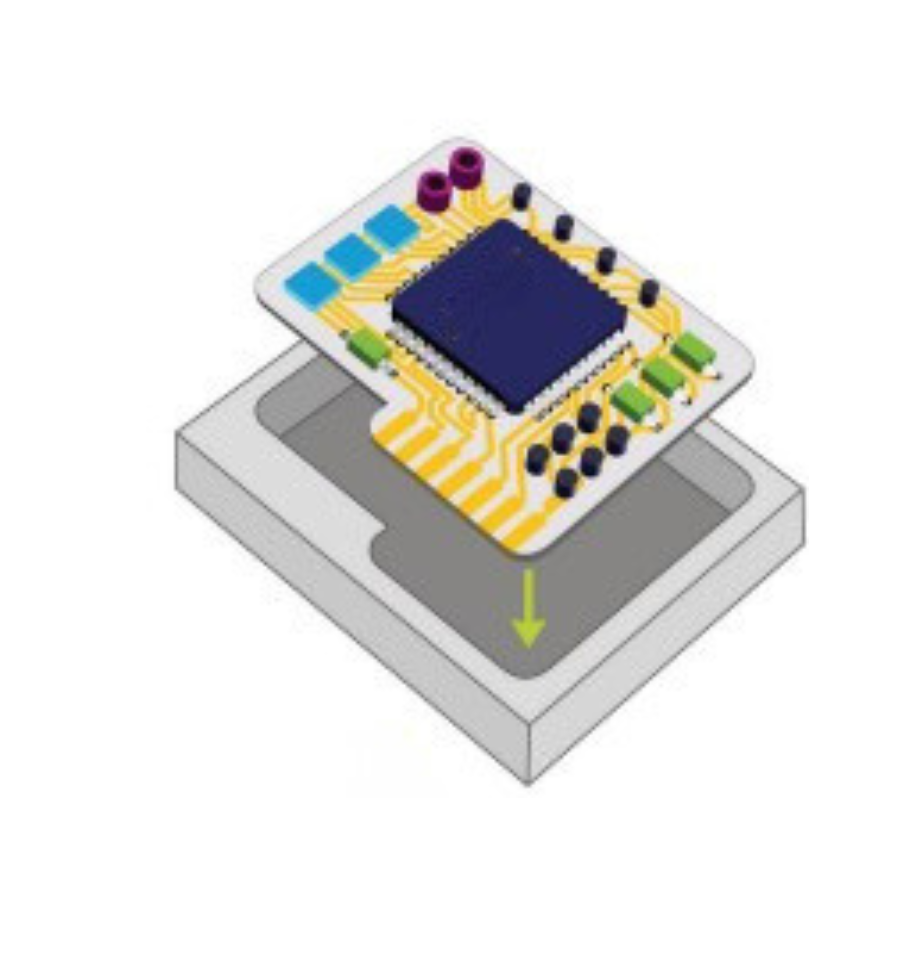
Step 1: Component Placement
Electronic components are positioned within a custom mold cavity designed to match the final geometry.
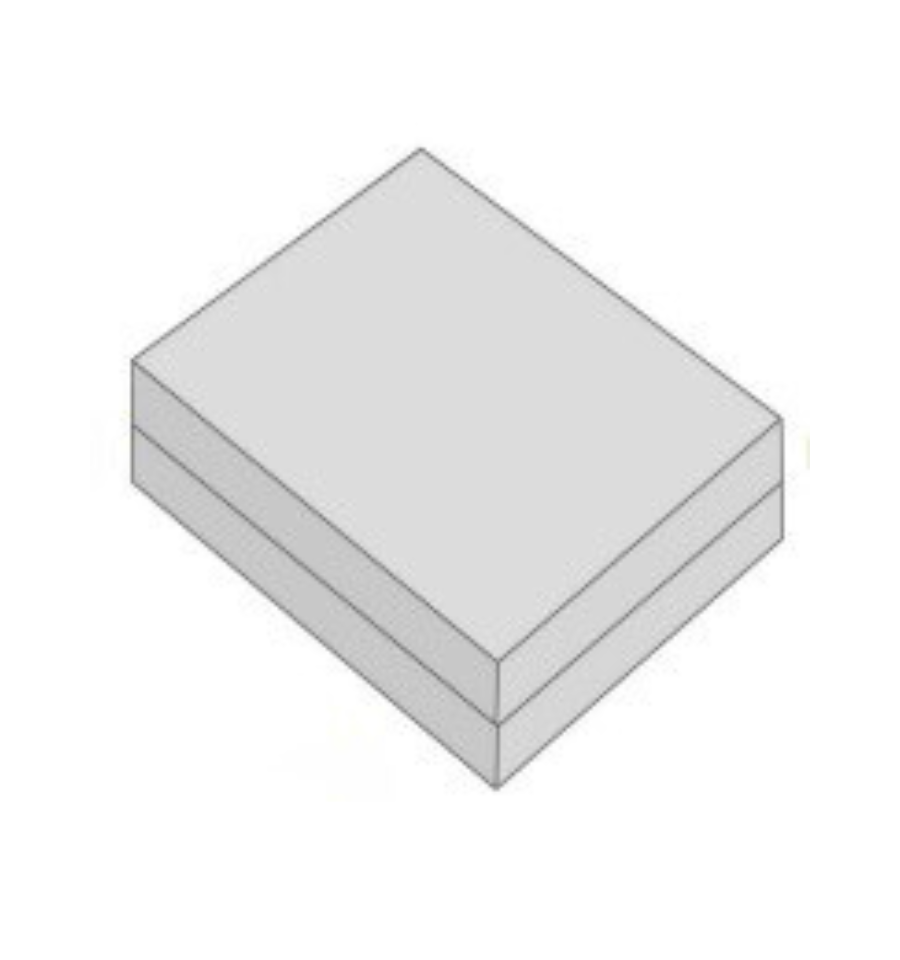
Step 2: Material Injection
Heated thermoplastic material (e.g., polyamide hot-melt) is injected at low pressure to encapsulate the assembly.
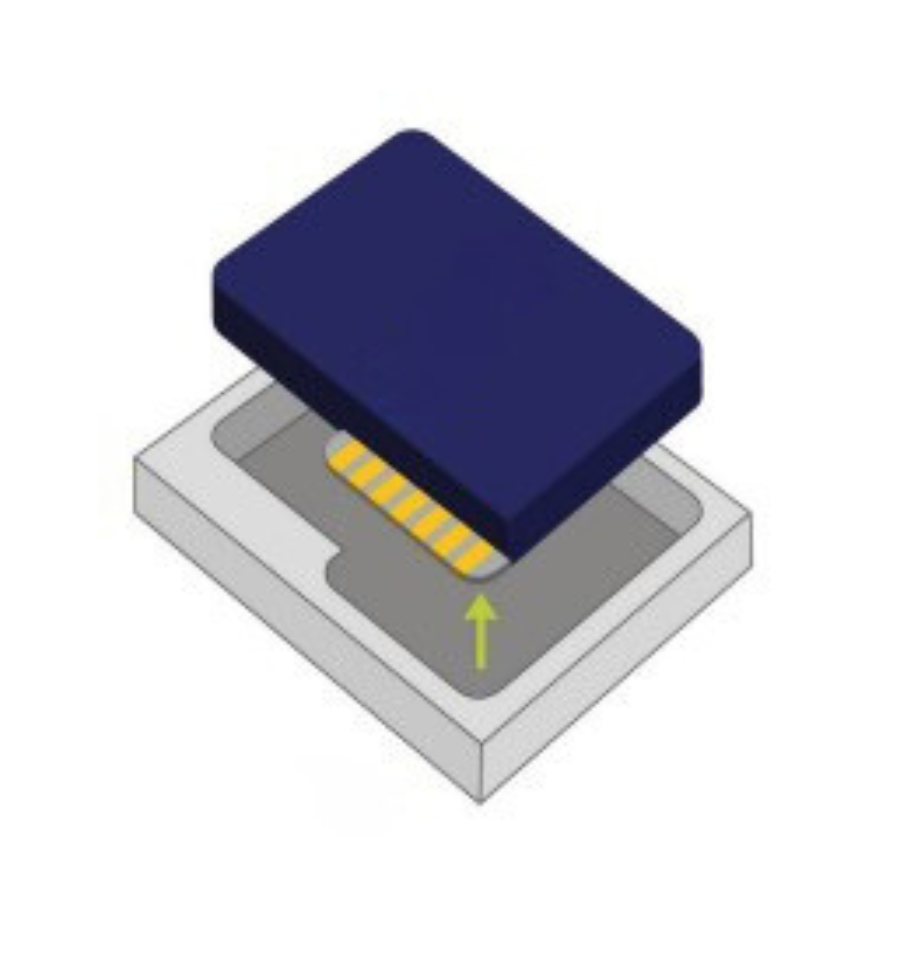
Step 3: Cooling & Demolding
The material rapidly solidifies, forming a sealed protective layer. The molded assembly is removed and ready for testing.
Typical Applications
Low-pressure molding is widely used to encapsulate and protect electronic assemblies exposed to mechanical, thermal, and environmental stress.
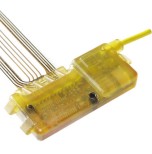
Sensors & Captors
Encapsulation for environmental protection and reliability.
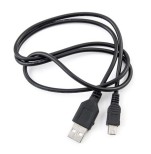
PCB Overmolding
Sealing and mechanical reinforcement of circuit boards.
Connectors & Cables
Strain relief and ingress protection.
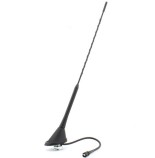
Antennas
Protection without compromising signal performance.
Key Application Markets
LPM technology is deployed across multiple industries where durability, miniaturization, and reliability are critical to performance.

Consumer Electronics

Automotive Systems

Industrial & Other Applications
Benefits of Low Pressure Molding
Process Efficiency
- Low injection pressure reduces energy consumption
- Short cycle times enable high throughput
- Simplified manufacturing process
Product Performance
- Protects delicate electronic components
- High resistance to heat, shock, and chemicals
- Eliminates need for additional housings
Sustainability
- Minimal material waste
- Bio-based material options available
- Improved recyclability
Process Insight
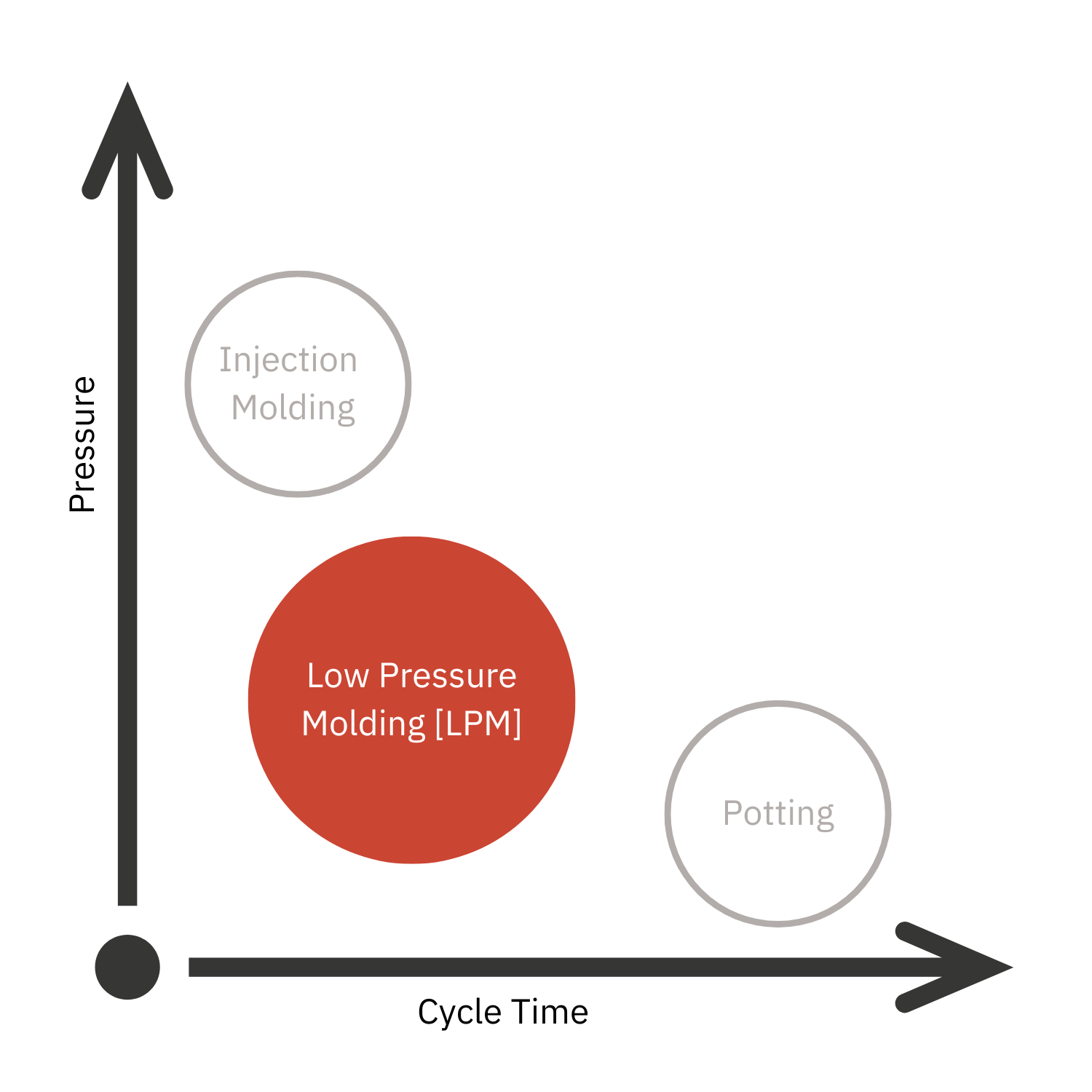
Low Pressure Molding combines the advantages of injection molding and potting.
Operating at reduced pressure and temperature, LPM minimizes stress on sensitive electronics while improving process efficiency.
This approach reduces assembly steps and enhances long-term reliability in harsh environments.