

Sealants, CIPG & FIPG
Polyurethanes & Silicones

Gasketing Sealants (CIPG & FIPG)
Cure-in-place gaskets (CIPG) and form-in-place gaskets (FIPG) are liquid or semi-liquid sealants dispensed directly onto a component and cured to form a custom gasket in place, rather than a pre-cut, preformed gasket installed between mating surfaces. Because the material conforms to the exact geometry of the part as it cures, these systems create a seamless, precisely fitted seal on irregular or complex surfaces where a stamped gasket would be difficult or costly to manufacture.
Polyurethane and silicone are the most common chemistries used for gasketing sealants, each suited to different performance requirements. Polyurethane systems offer strong adhesion and elongation with good chemical resistance to oils and dilute acids or bases. Silicone systems offer a broad service temperature range, excellent weathering and vibration resistance, and gap-filling capability without requiring a primer. Selection depends on the substrate, expected chemical exposure, service temperature, and whether the application calls for cure-in-place assembly or in-line automated dispensing.
-
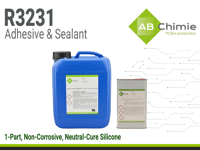

ABchimie R3231 1-Part Neutral Cure Sealant
- Meets MIL-A-46146B requirements
- UL94 V-1 compliant
- Non-corrosive, neutral alkoxy cure
- 8 weeks
-

-
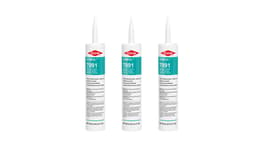
DOWSIL™ 7091 Adhesive Sealant
- Non-sag rheology
- One-part moisture cure
- Stable and flexible from -40 to 180℃
- 5 weeks
Frequently Asked Questions
Frequently Asked Questions about Gasketing Sealants (CIPG & FIPG)
What is the difference between CIPG and FIPG?
Cure-in-place gaskets (CIPG) are applied to a component and cured before the assembly is put together, allowing the part to be disassembled and reassembled later without needing a replacement gasket. Form-in-place gaskets (FIPG) are applied and the assembly is closed while the material is still uncured, so the gasket cures in situ against both mating surfaces, forming a permanent bond as part of the assembly process.
What materials are commonly used for CIPG and FIPG gaskets?
Polyurethane and silicone are the most common chemistries. Two-part polyurethane sealants cure into thick solids or foams with strong elongation and adhesion to metals, plastics, and composites. RTV silicones cure at room temperature, with heat, or under UV light, and offer gap-filling capability along with broad temperature and chemical resistance.
Do gasketing sealants require a primer?
RTV silicone gasketing sealants generally adhere well to a wide range of substrates without requiring a primer. Primer needs vary by specific formulation and substrate, so product-specific data should always be checked, particularly for challenging or low-surface-energy substrates.
What is dual-cure silicone gasketing, and why is it used?
Some cure-in-place silicone gasket sealants use a dual-cure mechanism: a rapid UV cure sets the bead quickly enough for assembly, followed by a secondary moisture cure that continues even in shaded or UV-blocked areas the light couldn't reach. This combination allows the sealant to fully cure to depths of several millimeters without leaving uncured material underneath the visible surface.
What temperature range can gasketing sealants withstand?
RTV silicone gasketing sealants can generally operate across a wide continuous temperature range and tolerate brief exposure to higher peak temperatures, retaining resilience and adhesion even after thermal aging. Exact service and peak temperature ratings vary by specific formulation, so product-specific data should be checked for demanding thermal applications.
Are there limitations to using silicone for gasketing applications?
Yes. RTV silicones generally have poorer resistance to fuel and aromatic solvents compared to other chemistries, and their lower tensile and shear strength can make them less suitable for heavily stressed or high-pressure sealing applications. Polyurethane or another chemistry may be a better fit where fuel exposure or high mechanical load is expected.
Learn More
Cure-in-Place Gaskets (CIPG)
CIPG is a sealing technology that involves applying a liquid gasket material onto a surface, where it cures or solidifies in place before the assembly is closed. This method is commonly used where precise, complex shapes are required for effective sealing, and the liquid gasket material typically consists of a polymer base and curing agents.
Key characteristics of CIPG include its ability to conform to irregular surfaces, creating a customized, seamless seal. This technology is known for its resistance to a wide range of temperatures, chemicals, and environmental conditions. The cured gasket provides reliable, durable sealing, making it well suited to applications in automotive engines, gearboxes, and other critical components.
CIPG Chemistry Comparison
Polyurethane
Two-part sealants that, once mixed and cured, transform into thick solids or foams with excellent elongation and adhesion. They adhere well to metals, plastics, and composites, and resist dilute acids, bases, and light oils. Hardness ratings generally range from 20 (Shore 00) to 60 (Shore A).
Silicone (RTV)
Solvent-free, one- or two-component sealants that cure at room temperature, with heat, or under UV exposure. They offer gap-filling capability up to 6mm and generally adhere without a primer. Effective across a wide continuous temperature range with brief tolerance for higher peaks, RTV silicones resist common oils and coolants and hold up well against weathering, vibration, moisture, and ozone.
Dual-Cure Silicone: Certain cure-in-place silicone gasket sealants use a dual-cure mechanism. A rapid UV cure establishes the bead with enough strength for assembly, followed by a moisture cure that continues even in shaded areas the light can't reach, allowing effective cure to depths up to 6mm.
Limitations of RTV Silicone: RTV silicones have relatively poor resistance to fuel and aromatic solvents, and their lower tensile and shear strength may make them a weaker fit for heavily stressed or high-pressure sealing applications.
Form-in-Place Gaskets (FIPG)
FIPG is valued for its flexibility and adaptability, conforming seamlessly to the unique shapes and contours of mating surfaces. This not only ensures precision during application but also minimizes the risk of misalignment, contributing to a consistently reliable seal.
FIPG offers versatility through a range of material options, allowing customization based on specific application requirements; commonly used materials include silicone, rubber, and other elastomers, each providing distinct properties tailored to different sealing needs. Curing typically takes place in situ as the assembly is completed, and the specific process may involve moisture curing, heat curing, or a combination of both, depending on the formulation.
FIPG is often preferred for its ability to automate the gasket application process, reducing labor costs and ensuring consistent results. Like CIPG, FIPG materials are typically liquid or semi-liquid at the time of application and solidify to form a resilient gasket, offering excellent adhesion to a wide range of surfaces and seeing extensive use across electronics, appliances, and machinery.
FIPG is particularly well suited to intricate assemblies, such as automotive engines, electronic enclosures, and industrial machinery. The choice of FIPG material is determined by factors such as temperature requirements, chemical compatibility, and the specific conditions of the application.
Gasket Sealant Applications
CIPG and FIPG are used across a variety of applications, including automotive and electrical components.
Automotive
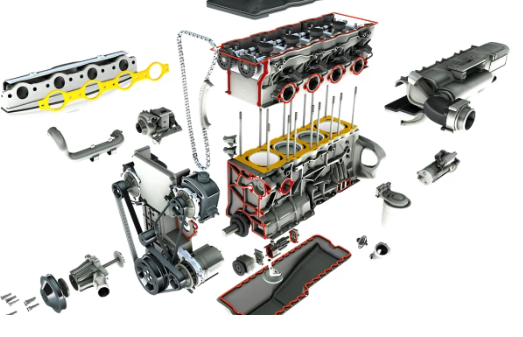
CIPG and FIPG are extensively used in the automotive industry for sealing engine components, oil pans, transmission housings, and other critical assemblies. Their ability to withstand temperature variations and resist automotive fluids makes them indispensable in this sector.
Electronics
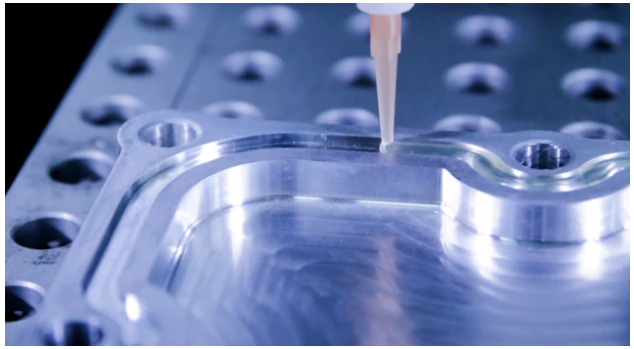
In electronic manufacturing, CIPG and FIPG are used for sealing and insulating electronic components. These gaskets protect against moisture, dust, and environmental contaminants, supporting the reliability of electronic devices.
Need Help Selecting the Right Gasketing Sealant?
Chemistry selection depends on your assembly method, substrate, chemical exposure, and service temperature. Our technical team provides product selection support, trial quantity sourcing, and application guidance across CIPG and FIPG polyurethane and silicone systems.
CIPG vs FIPG – Quick Reference