

Battery packs
Potting, gasketing and assembling
- Home

- eMobility
- EV Batteries
- EV Battery Packs
EV Battery Packs
An electric vehicle (EV) battery pack is a fully integrated energy storage system that powers the electric motor in battery electric vehicles (BEVs) and hybrid electric vehicles (HEVs). It converts stored chemical energy into electrical energy through electrochemical reactions, enabling efficient, zero-emission vehicle operation. As the core of any EV, the battery pack directly influences driving range, performance, safety, and overall vehicle efficiency.
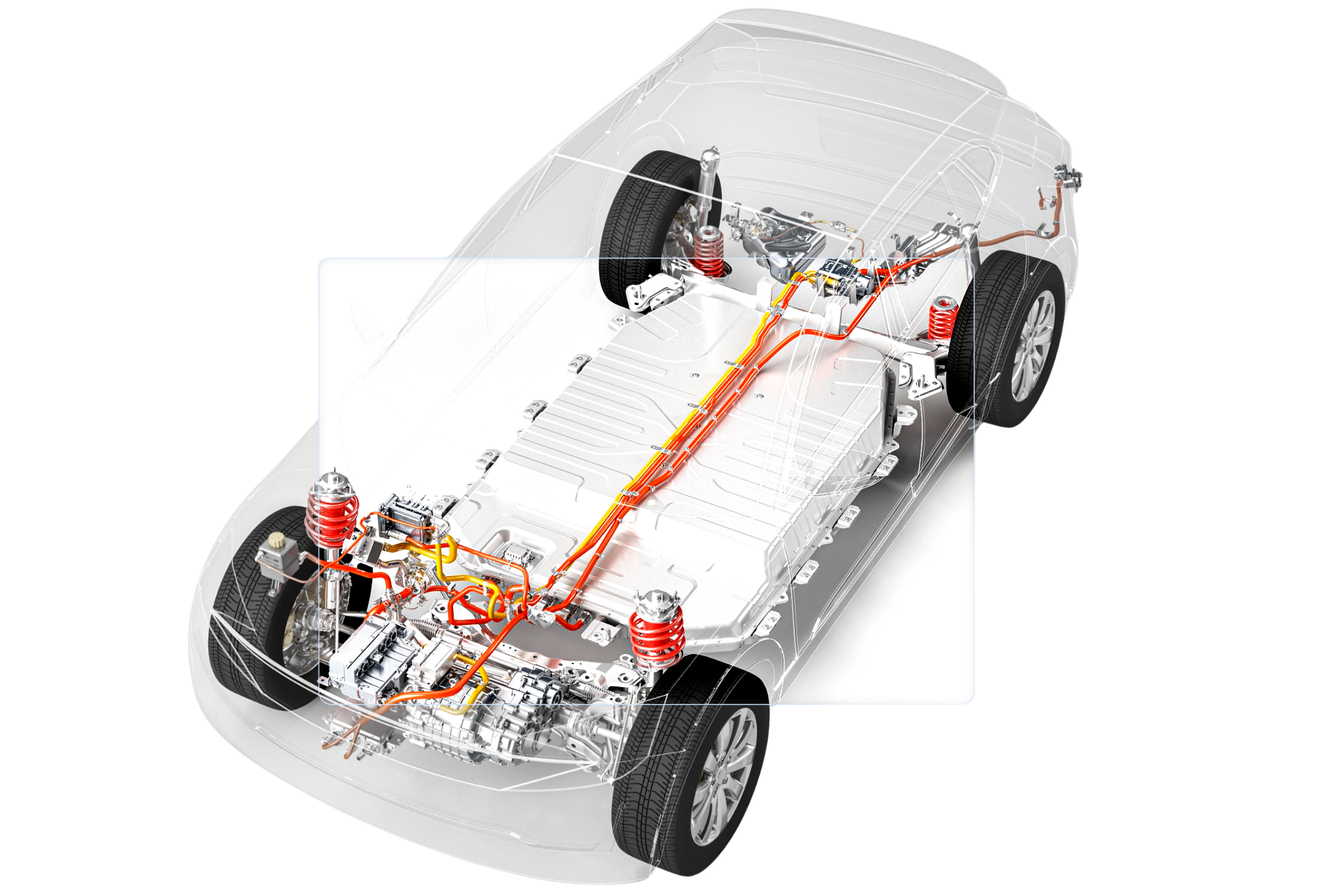
Battery Cell Formats in EVs
Energy conversion happens inside electrochemical cells, where lithium-ion chemistry is most commonly used today. These cells store and release energy through controlled movement of ions between the anode and cathode during charge and discharge cycles. Battery cells are not all built the same. Depending on the design and performance requirements of the battery, they are manufactured in different form factors, each with distinct implications for packaging, thermal management, and assembly. The three main types used in EVs are cylindrical, prismatic, and pouch cells.
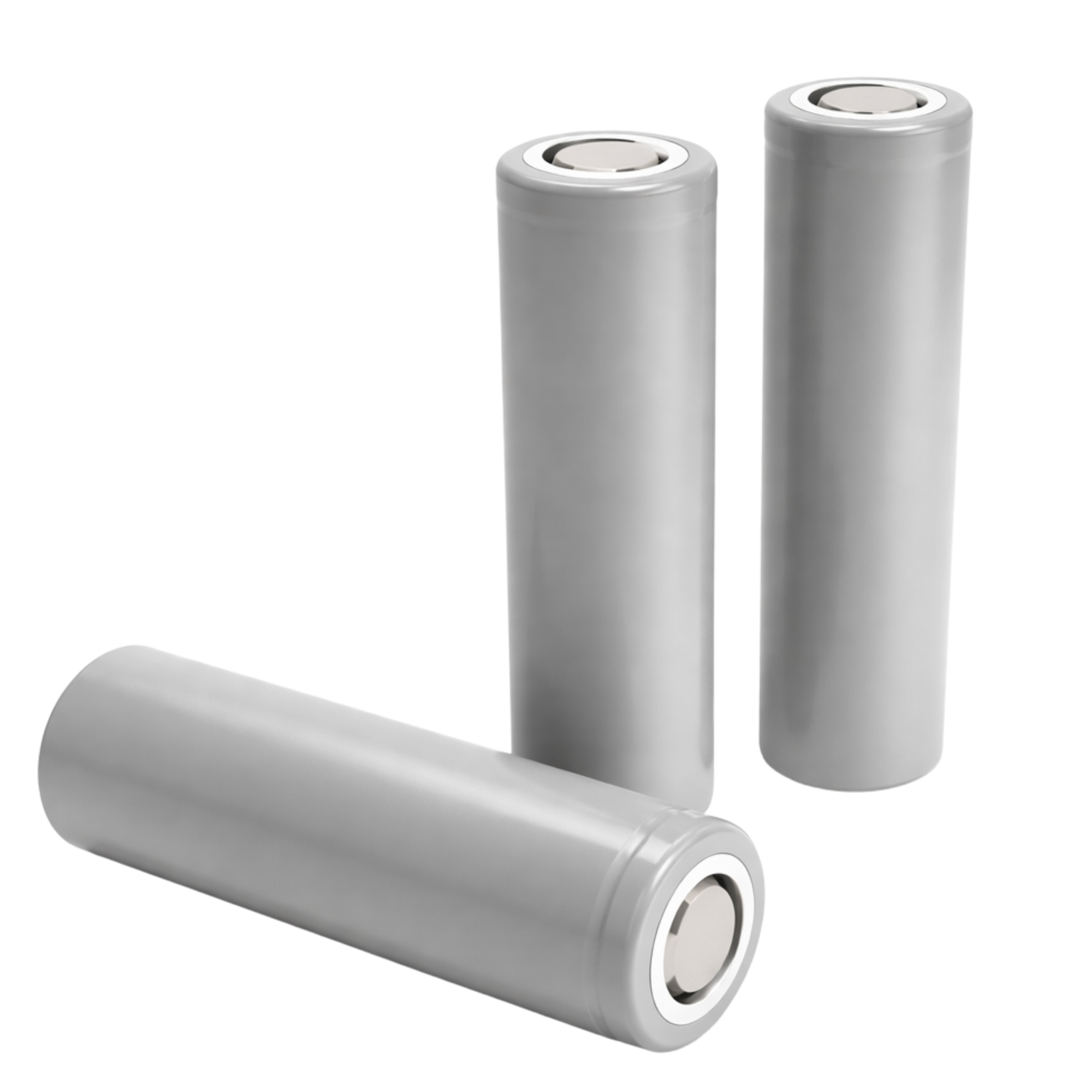
Cylindrical Cells
Cylindrical cells use a wound electrode structure enclosed in a rigid metal can. This format is widely used due to its mechanical robustness and highly mature manufacturing ecosystem.
They are commonly found in standardized sizes such as 18650 and 21700, enabling scalable and repeatable pack designs. These designations refer to the cell dimensions, where the first two digits indicate the diameter (in millimeters), the next two or three digits represent the length, and the final digit denotes the cylindrical shape (0), meaning an 18650 cell is approximately 18 mm in diameter and 65 mm in length.
Strong mechanical stability, well-established supply chain, and compatibility with high-volume automated assembly. The rigid casing makes handling and integration more forgiving compared to other formats.
Lower packing efficiency due to cylindrical geometry, increased number of interconnections at pack level, and less direct thermal pathways compared to flat cell designs.
High-volume EV platforms prioritizing manufacturability and scalability. Examples include the Tesla Model 3 and Tesla Model Y, which use cylindrical cells in highly optimized pack architectures.
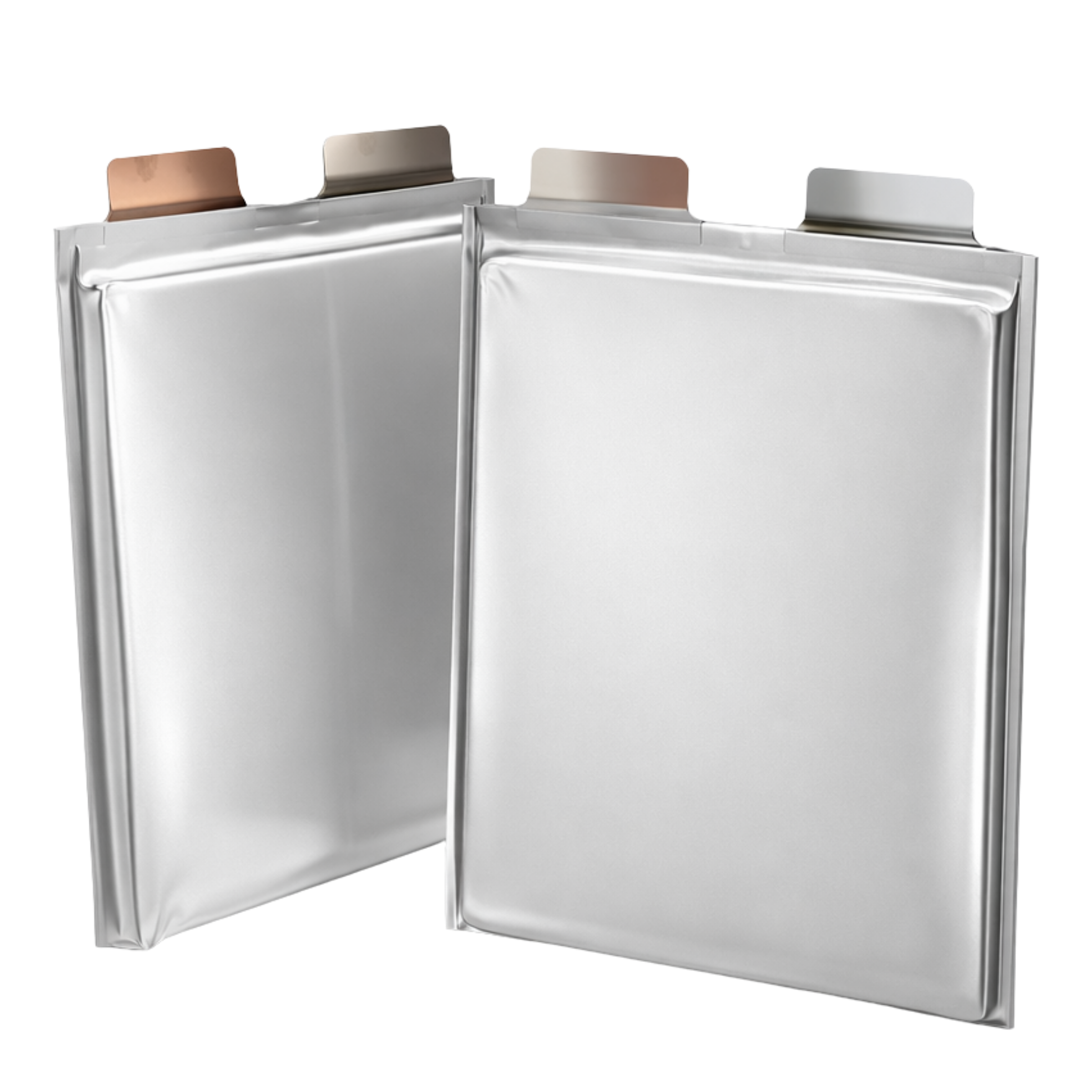
Pouch Cells
Pouch cells use a flexible laminated enclosure instead of a rigid casing, typically composed of aluminum-laminated polymer films. This design minimizes inactive material, allowing for higher energy density and more efficient use of available space within the battery pack. The flat geometry also enables better surface contact with cooling systems, which can improve thermal management when properly integrated.
However, the lack of a rigid enclosure shifts structural responsibility to the surrounding system. Pouch cells require external support through module frames, compression systems, or pack-level structures to maintain dimensional stability and ensure consistent electrochemical performance.
Highest energy density potential, lightweight construction, and flexible form factor for optimized pack layouts.
Requires external mechanical support, sensitive to swelling and handling, and more demanding integration to maintain long-term performance and durability.
High energy-density systems and designs where packaging flexibility is prioritized. Examples include the Chevrolet Bolt EV and Hyundai Kona Electric
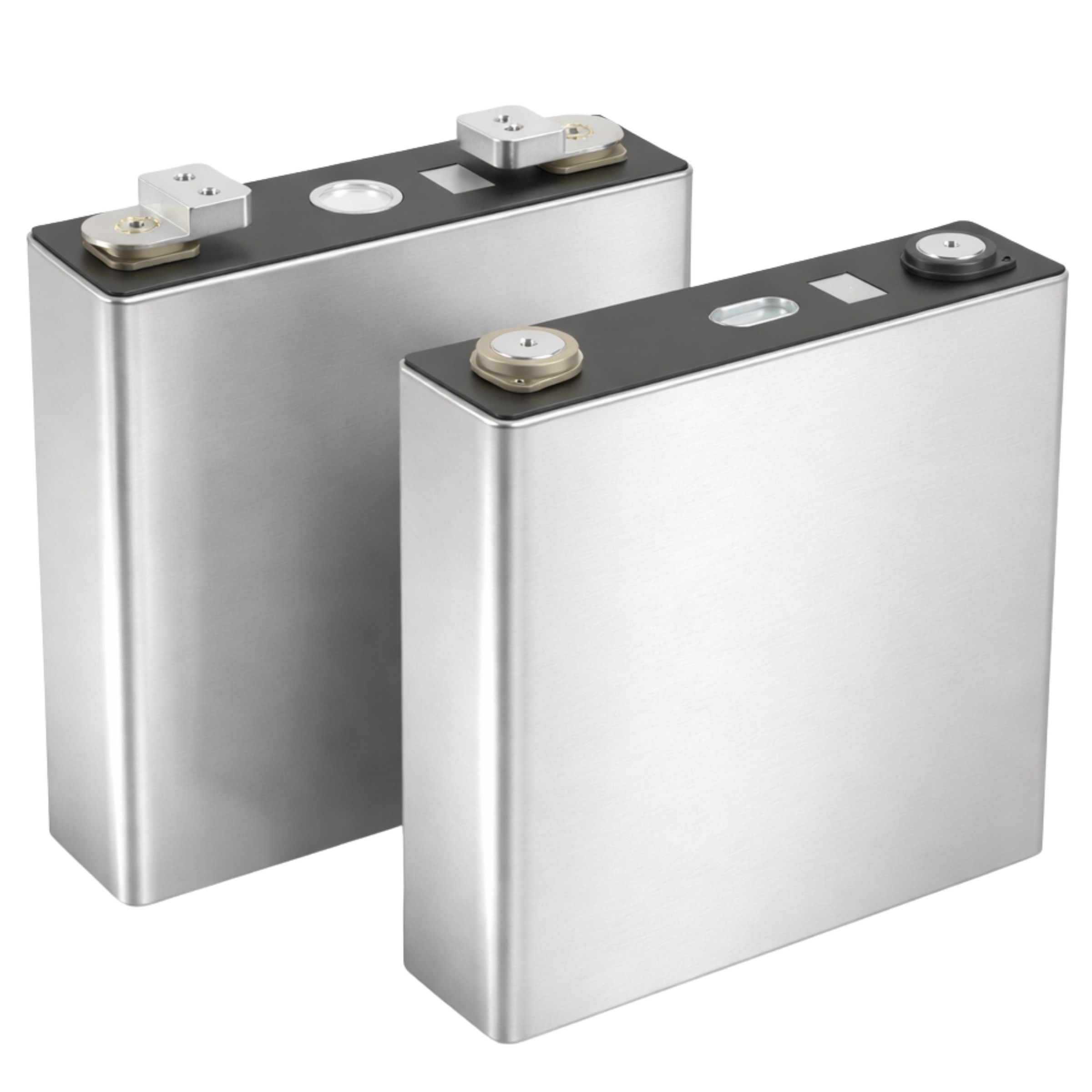
Prismatic Cells
Prismatic cells are built using stacked or folded electrodes housed in a rigid rectangular casing, typically made of aluminum or steel. This format improves space utilization and enables higher packing efficiency at the module and pack level.
The flat surfaces enable more direct and uniform contact with cooling systems, such as cold plates or thermal interface materials, improving heat transfer and simplifying thermal management design. However, prismatic cells require careful control of mechanical tolerances and compression to accommodate expansion during cycling.
Better volumetric efficiency than cylindrical cells, cleaner packaging, and more predictable geometry for module and pack design.
More sensitive to mechanical tolerances and expansion during cycling, heavier casing compared to pouch cells, and tighter constraints on structural integration.
Automotive battery packs where packaging efficiency and structural integration are critical. Examples include the BMW i3 and Volkswagen ID.4
While the chemistry is similar, the cell form factor determines how the cells are arranged, cooled, and mechanically supported, making it a key driver in EV battery pack design.
EV Battery Architecture: From Cell to Module to Pack
Electric vehicle battery systems are built in a hierarchical structure, starting from individual electrochemical cells and progressing to modules and full battery packs. This architecture enables scalability in voltage and capacity while supporting mechanical integration, thermal management, and system-level control.
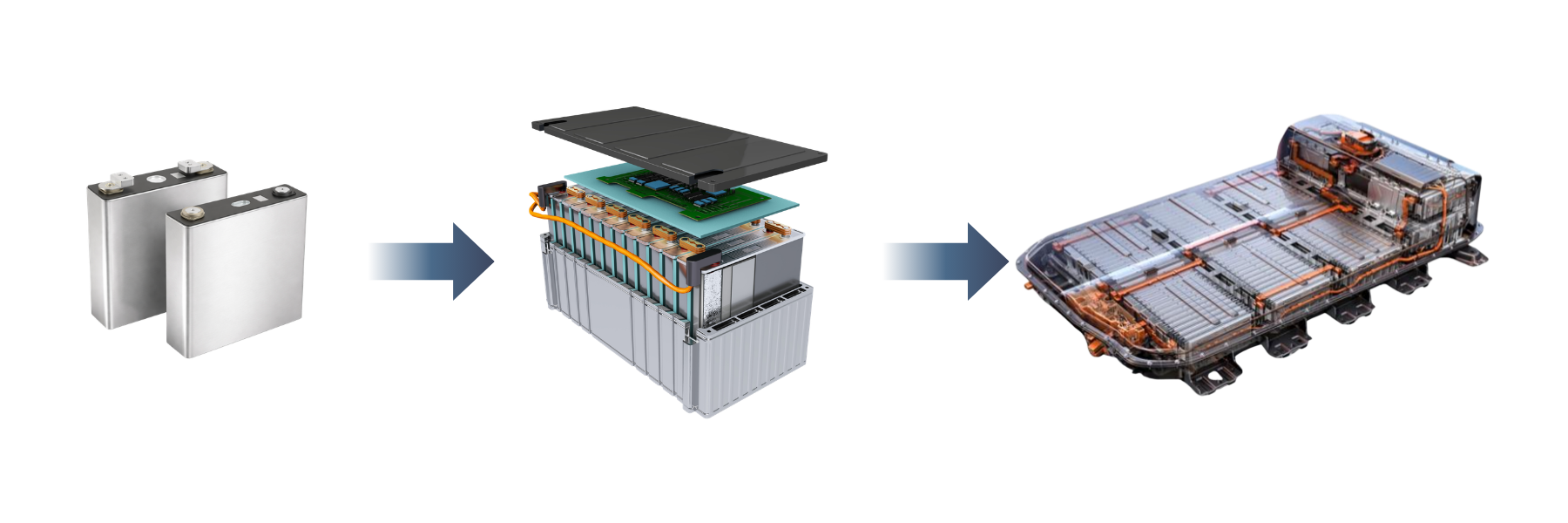
Battery Cell
Smallest functional unit of an EV battery where electrochemical energy storage and conversion take place. Each cell operates at a relatively low voltage (around 3–4 V), requiring many cells to be combined to meet system-level energy and power demands.
From a practical standpoint, the cell defines energy density, operating voltage window, and the fundamental thermal and safety behavior of the system.
Battery Module
Group of cells assembled into a structured unit that simplifies manufacturing and system integration. Modules connect cells in series and/or parallel to increase voltage and capacity.
They provide mechanical support and alignment while serving as an intermediate level for thermal management and electrical interconnections.
Battery Pack
Fully integrated energy storage system that combines multiple modules (or directly integrated cells) with all supporting subsystems required for operation.
This includes electrical interconnections and busbars, thermal management systems, battery management systems (BMS), and structural housing with sealing and protection features.
EV Battery Pack Assembly Process and Material Integration
Beyond system architecture, the performance and reliability of an EV battery pack are strongly influenced by how it is assembled. Each stage of the assembly process introduces critical material interfaces that impact thermal management, electrical performance, mechanical stability, and long-term durability. Understanding where and how materials are applied throughout the assembly process provides insight into the key design and engineering challenges in EV battery systems.
Cell Components & Inspection
Incoming cells and components are validated through electrical testing, sorting, and quality inspection prior to assembly.
Materials: Insulation films, surface coatings, protective layers
Why it matters: Ensures consistency, prevents latent defects, and improves pack reliability
Cell Stack Assembly
Cells are aligned and assembled into defined configurations depending on format and pack design.
Materials: Structural adhesives, spacers, alignment materials
Why it matters: Controls spacing, mechanical stability, and dimensional consistency
Module Assembly
Cells are integrated into modules with electrical interconnections and structural support.
Materials: Busbar materials (Cu, Al), dielectric coatings, structural adhesives
Why it matters: Determines electrical resistance, insulation performance, and mechanical integrity
Battery Tray & Thermal Integration
Cells or modules are installed into the tray and coupled with cooling systems for heat management.
Materials: Thermal interface materials (TIMs), gap fillers, thermal pads
Why it matters: Enables heat dissipation, reduces thermal gradients, and improves safety
Electrical Assembly & Safety Integration
High-voltage connections, BMS, and safety systems are integrated for controlled operation.
Materials: Insulation materials, potting compounds, fire barrier materials
Why it matters: Ensures electrical safety, fault protection, and thermal runaway mitigation
Enclosure Sealing & Final Assembly
The battery pack is sealed and enclosed to protect against environmental and mechanical exposure.
Materials: Sealants, gaskets, structural bonding materials
Why it matters: Prevents moisture ingress, ensures durability, and maintains enclosure integrity
Each stage of EV battery assembly introduces critical material interfaces that directly impact thermal management, electrical performance, and long-term reliability.
Functional Materials used in EV Battery Packs
From thermal interface materials that dissipate heat to dielectric coatings that ensure electrical isolation, each material category plays a specific role in maintaining safety, reliability, and long-term performance of EV battery systems.
Structural Materials
Structural materials are used to mechanically bond and secure components within the battery system, ensuring stability under operating conditions.
Typical materials
Structural adhesives (epoxy, polyurethane, acrylic)
What they do
Maintain alignment and structural integrity under vibration, thermal expansion, and mechanical stress.
Where they are used
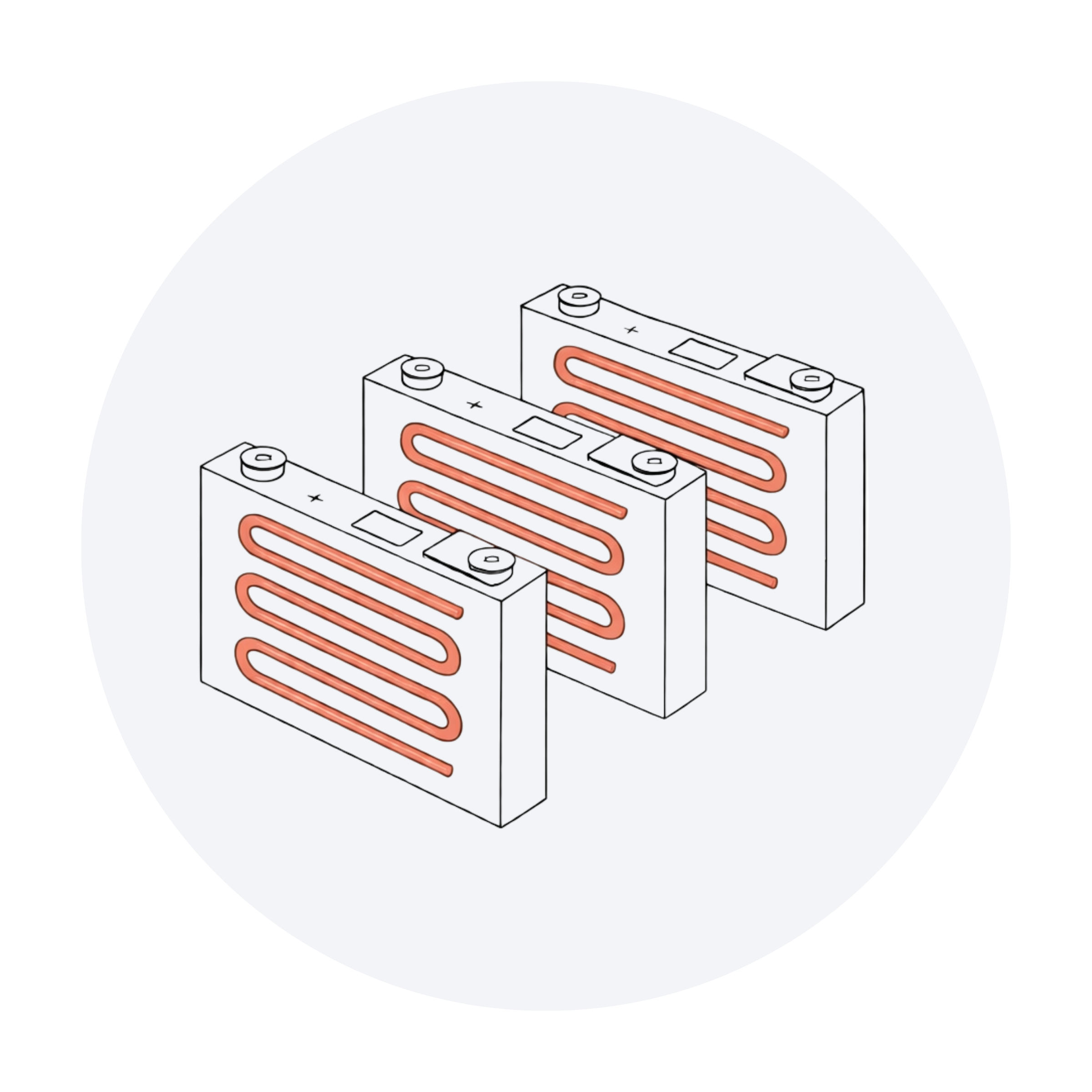
Cell-to-cell Bonding
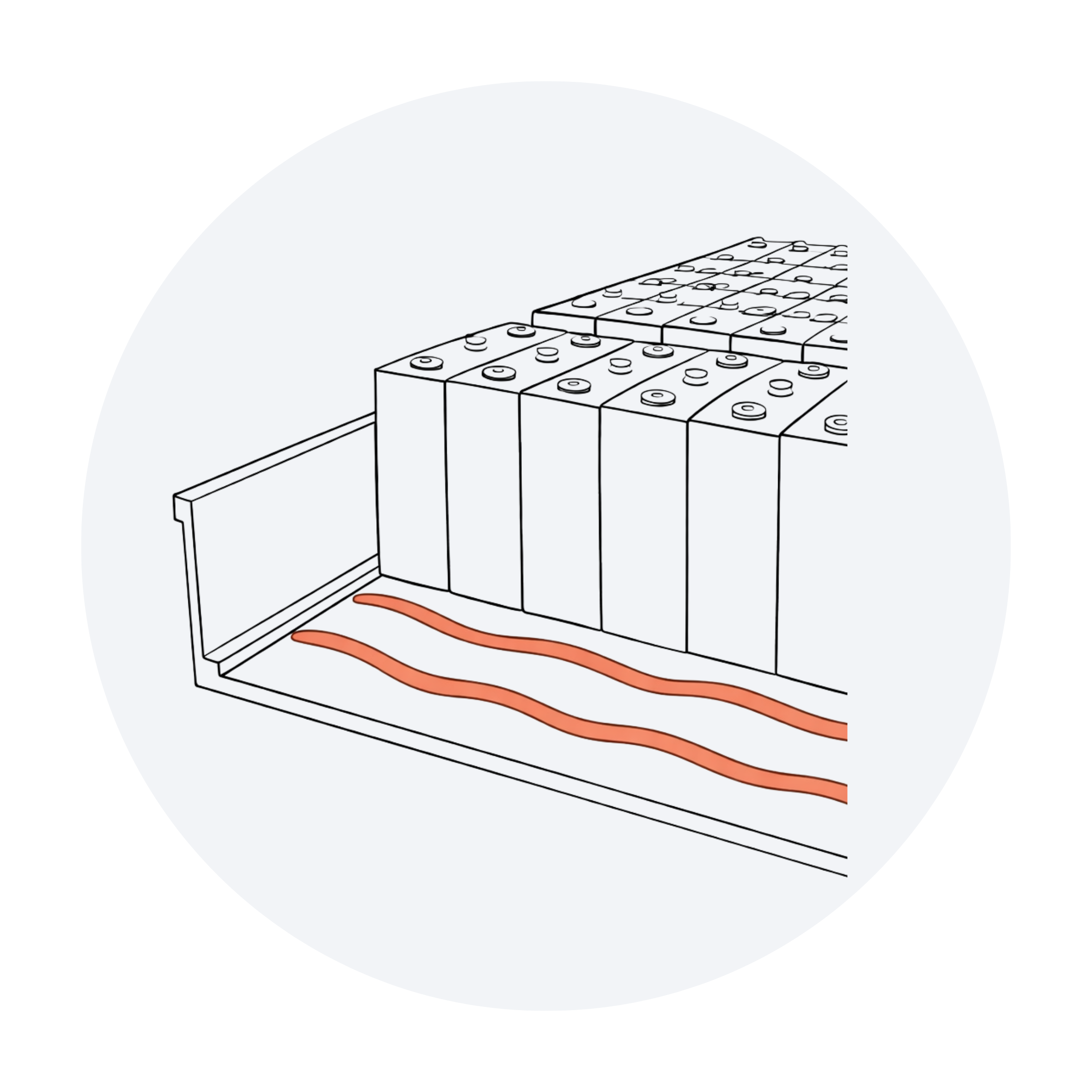
Cell-to-pack Bonding
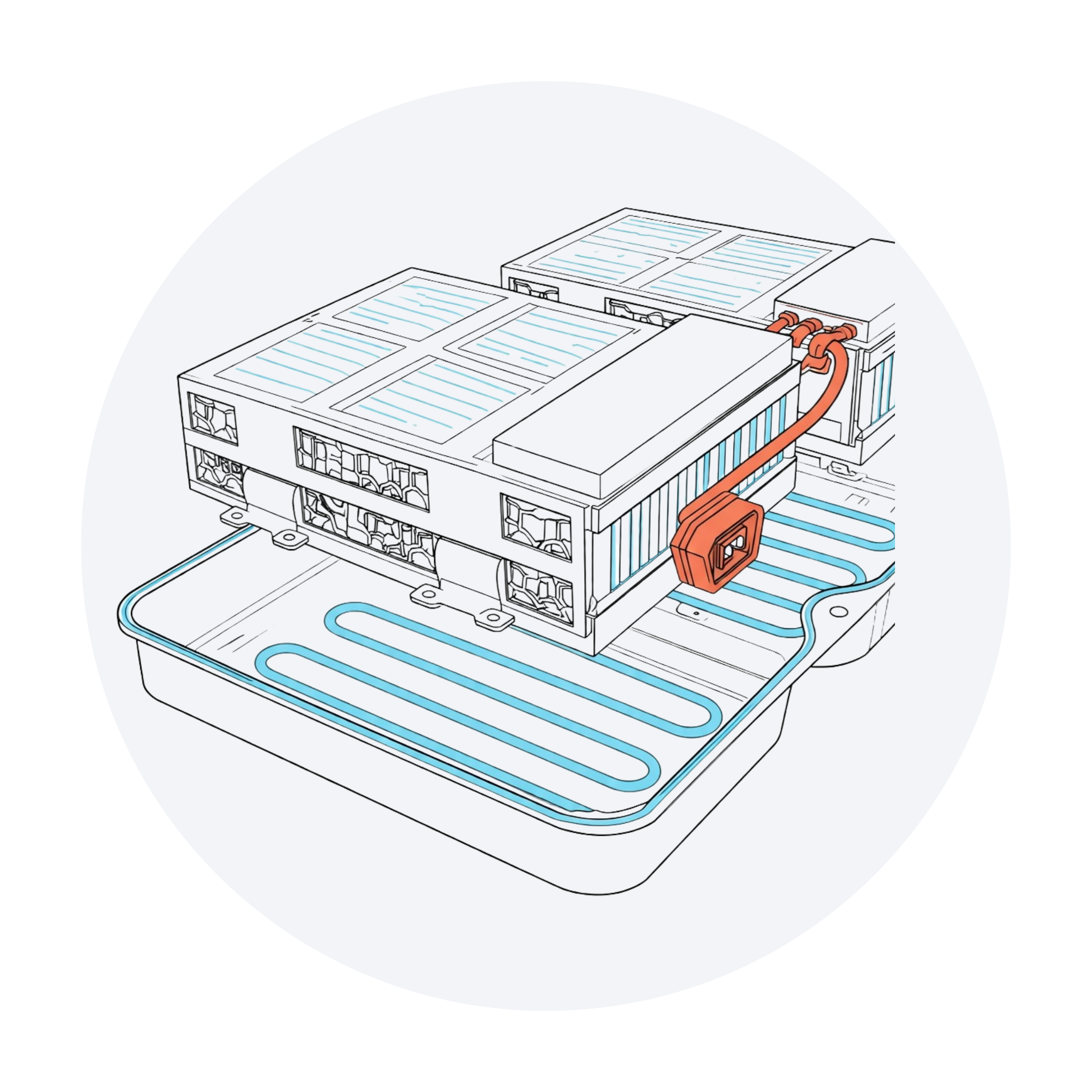
Module-to-pack Bonding
Thermal Management Materials for Heat Transfer
Thermal interface materials (TIMs) are designed to transfer heat efficiently from cells and components to cooling systems.
Typical materials
Gap fillers (thermal gels and pads), thermally conductive adhesives, phase change materials
What they do
They improve heat dissipation by filling air gaps and maintaining contact between surfaces.
Where they are used
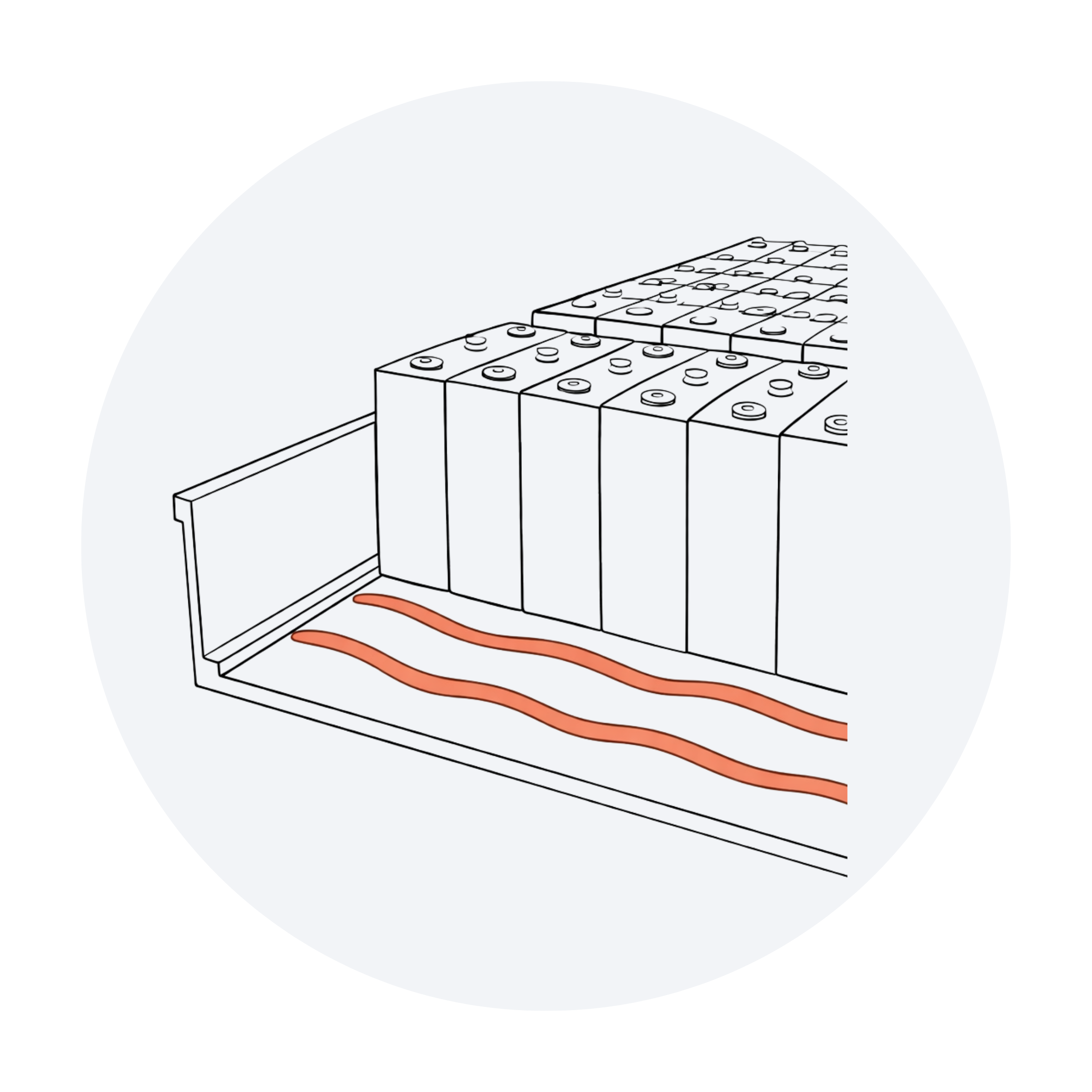
Cell-to-pack Heat Dissipation
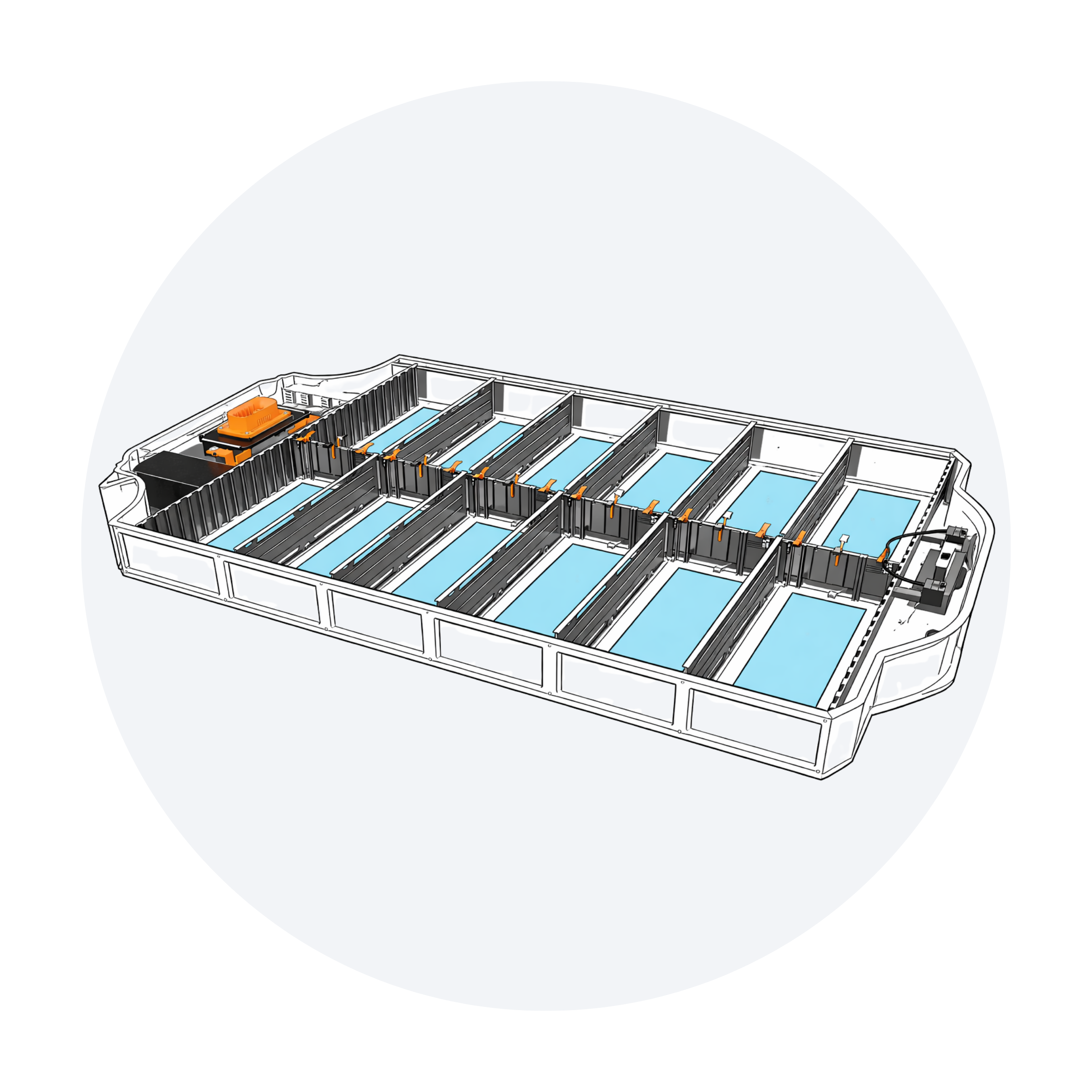
Module-to-cold plate cooling
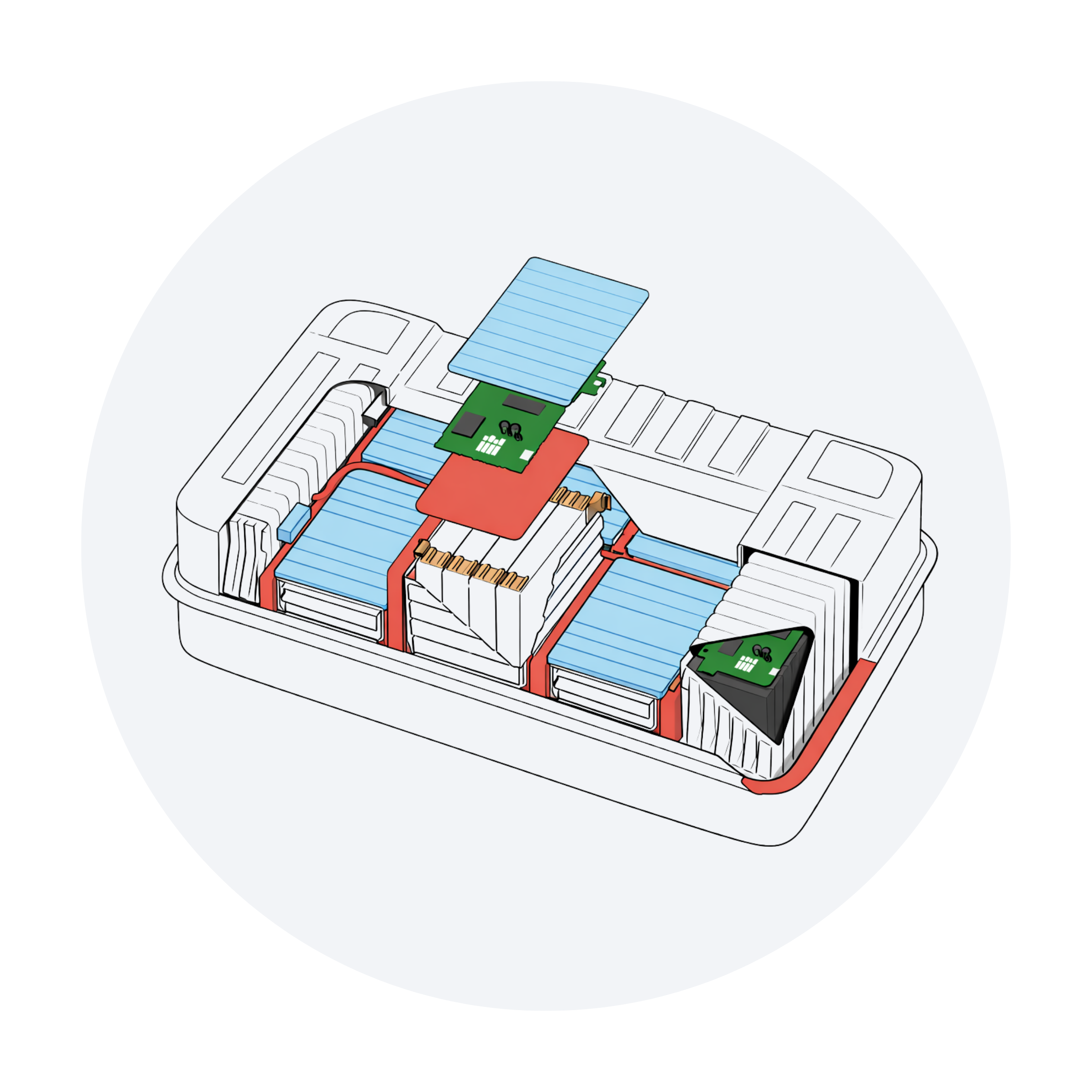
BMS Electronics Cooling
Thermal Management Materials for Heat Isolation
Thermal isolation materials are used to limit or slow down heat transfer between adjacent cells or components.
Typical materials
Encapsulation foams, potting compounds, thermal barriers
What they do
They help delay heat propagation during thermal events, improving system safety.
Where they are used
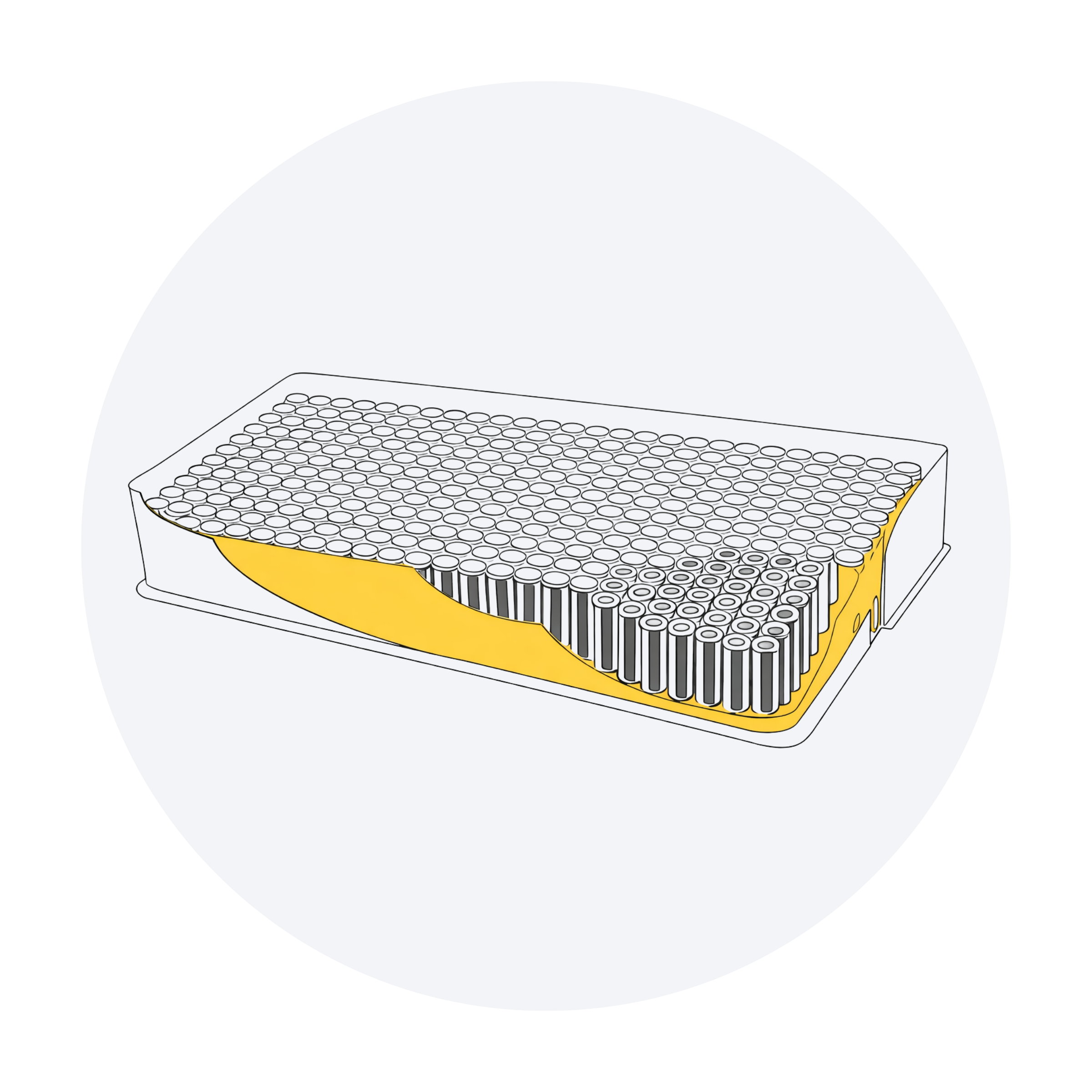
Cell-to-cell Protection
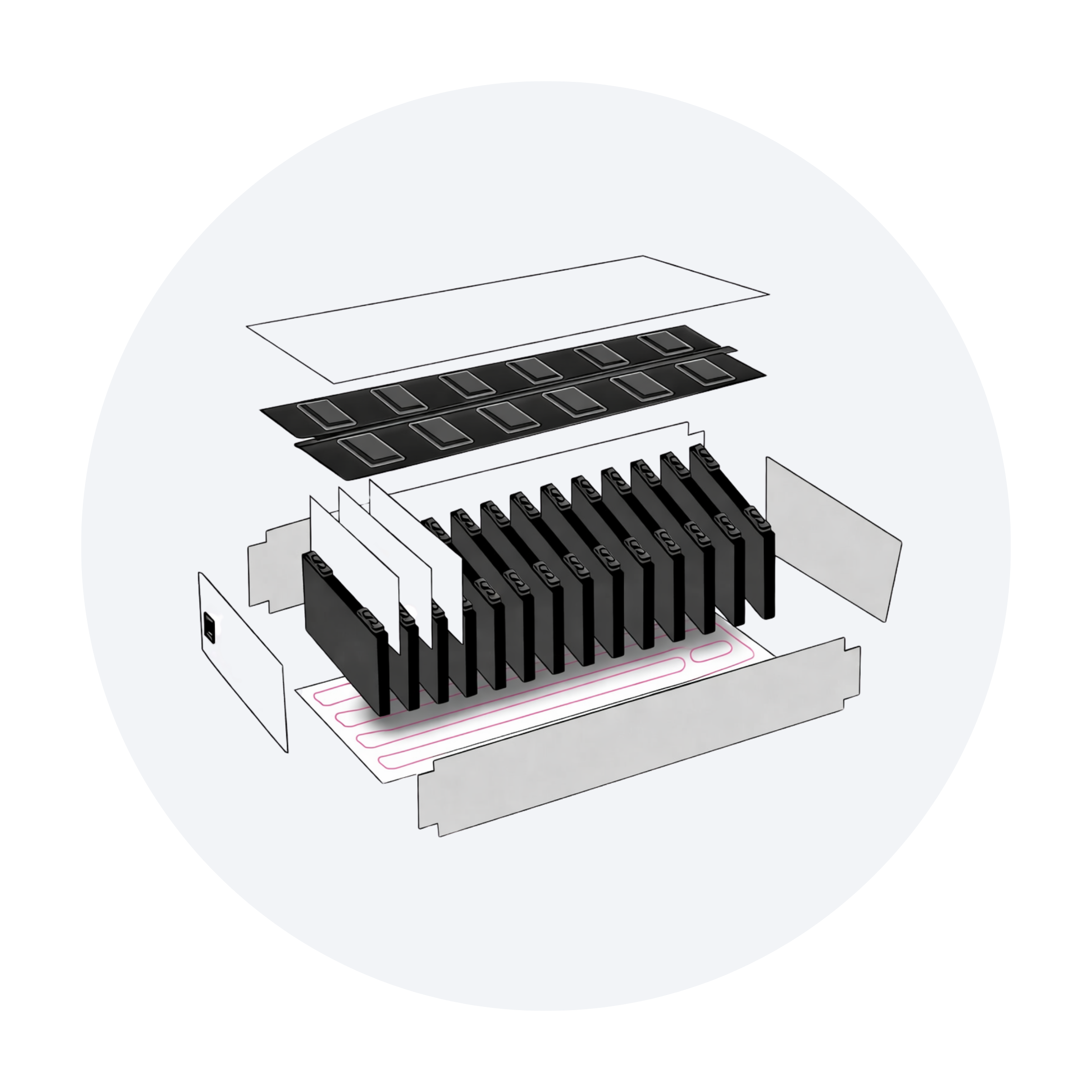
Module-level Protection
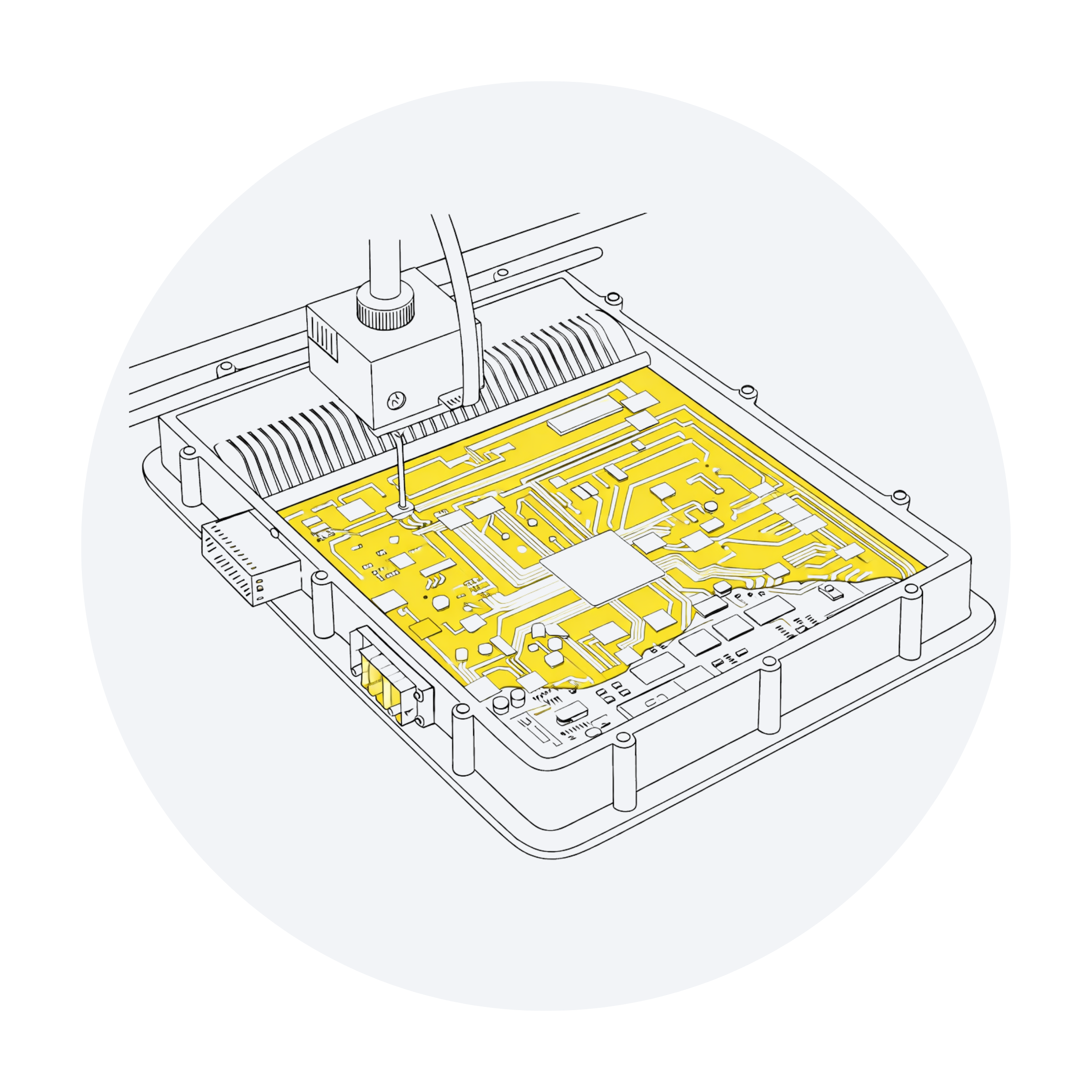
BMS Electronics Encapsulation & Barriers
Electrical Insulation Materials
Electrical insulation materials prevent unintended current flow within the battery system.
Typical materials
Dielectric coatings, insulating films (PET, PI), conformal coatings
What they do
They ensure electrical separation and reduce the risk of short circuits.
Where they are used
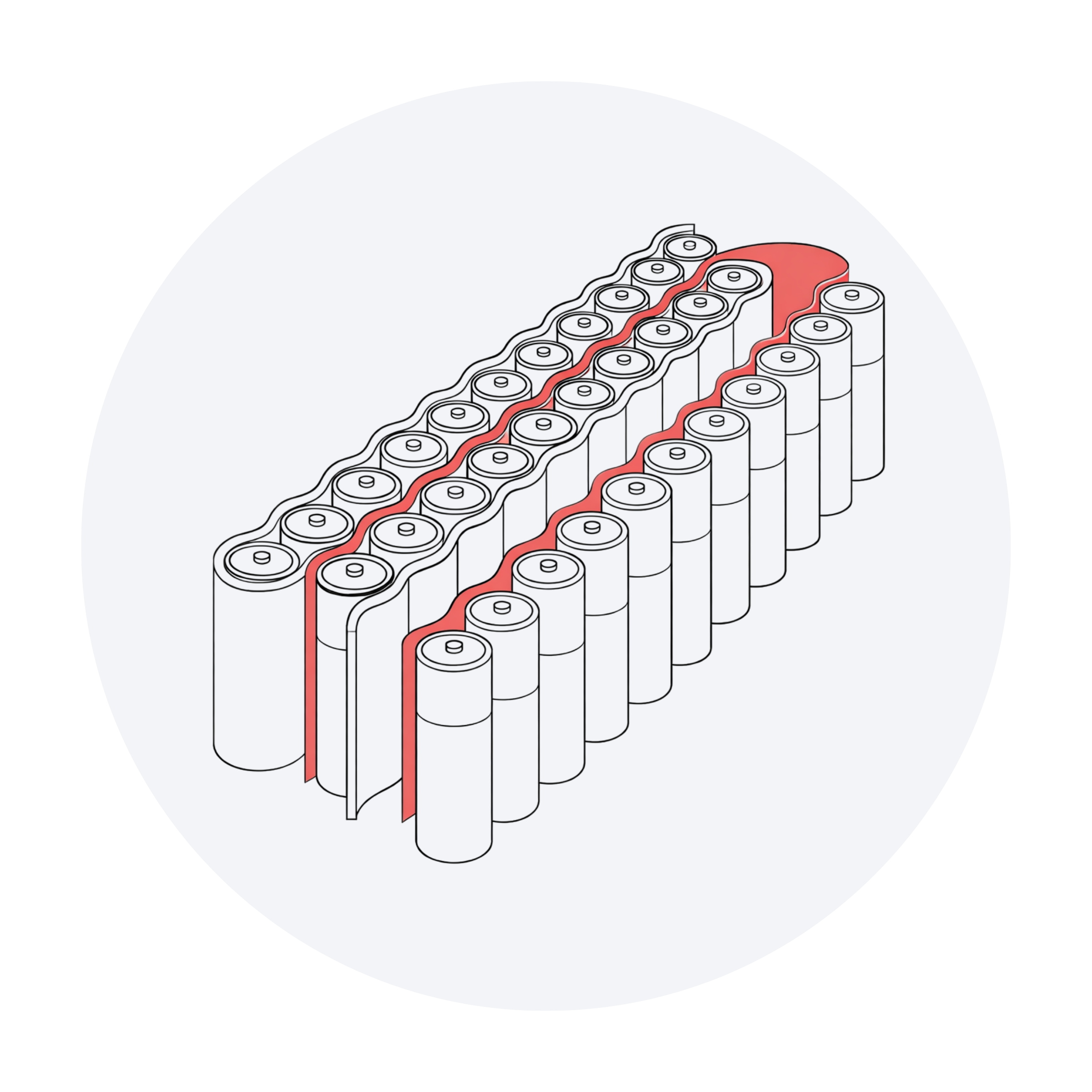
Cell-to-cell Interfaces
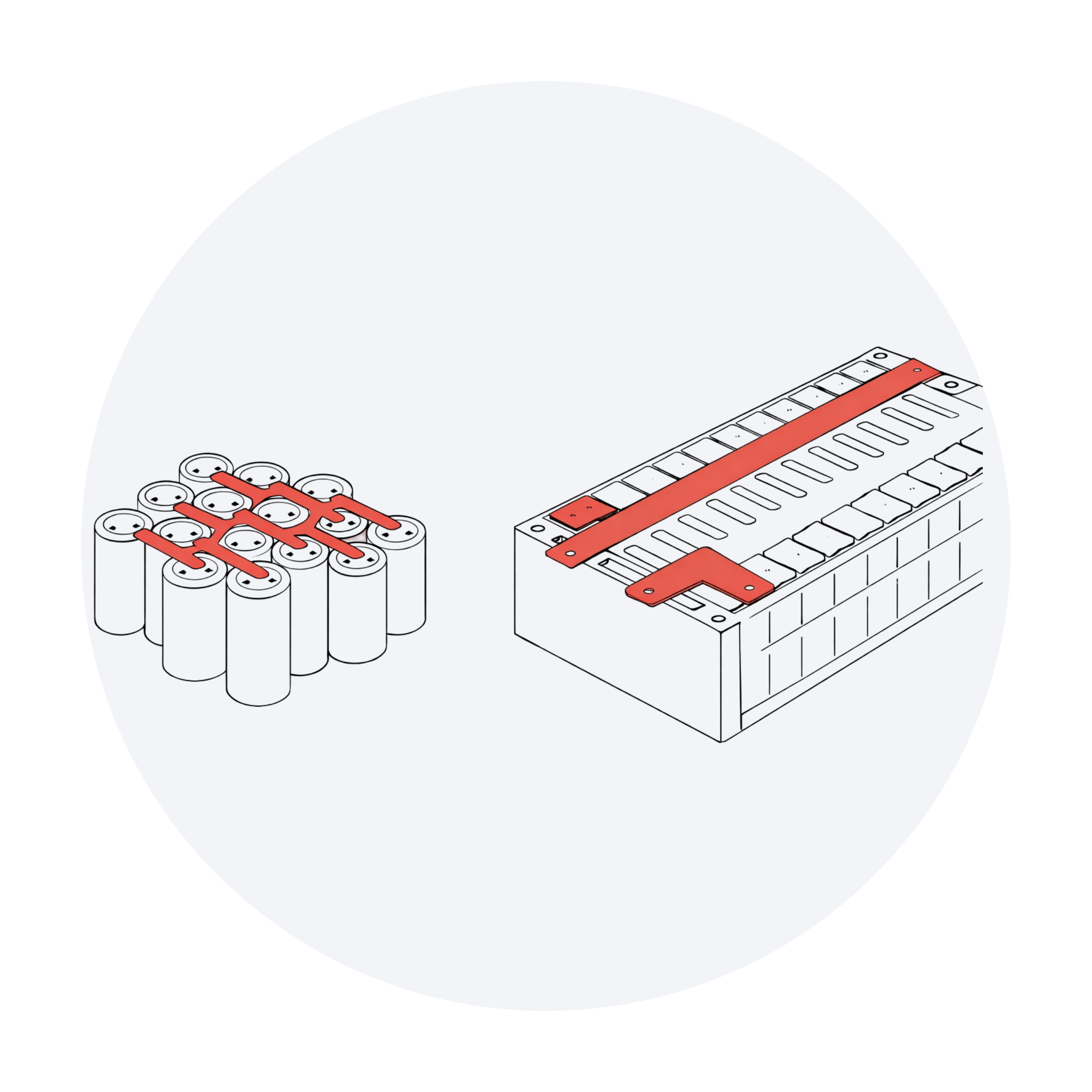
Busbars & Interconnects
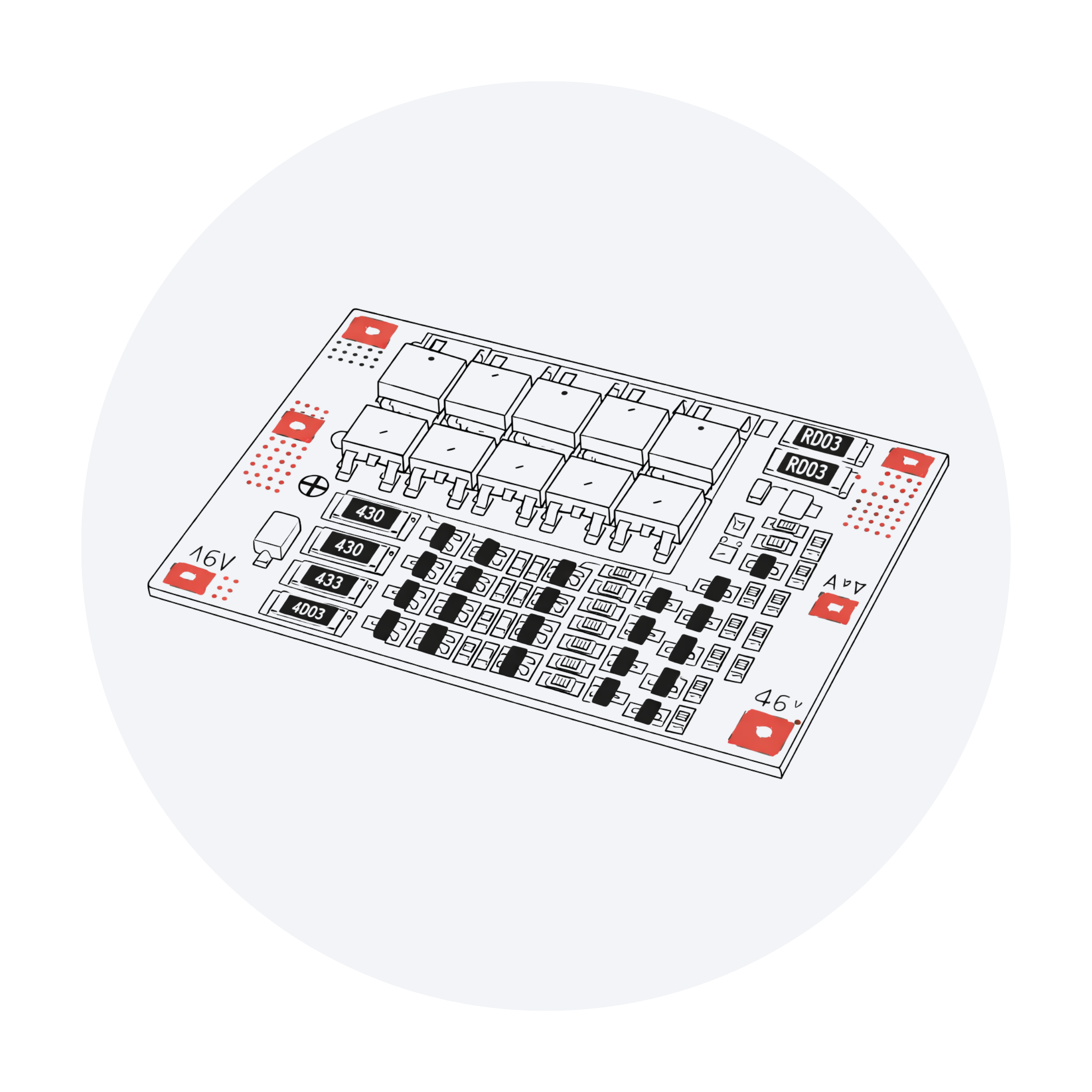
High-voltage Electronics & BMS
Protection and Sealing Materials
Protection and sealing materials are used to shield the battery system from environmental and operational exposure.
Typical materials
Sealants (RTV silicone), gaskets, potting compounds
What they do
They protect against moisture, dust, vibration, and chemical exposure while maintaining enclosure integrity.
Where they are used
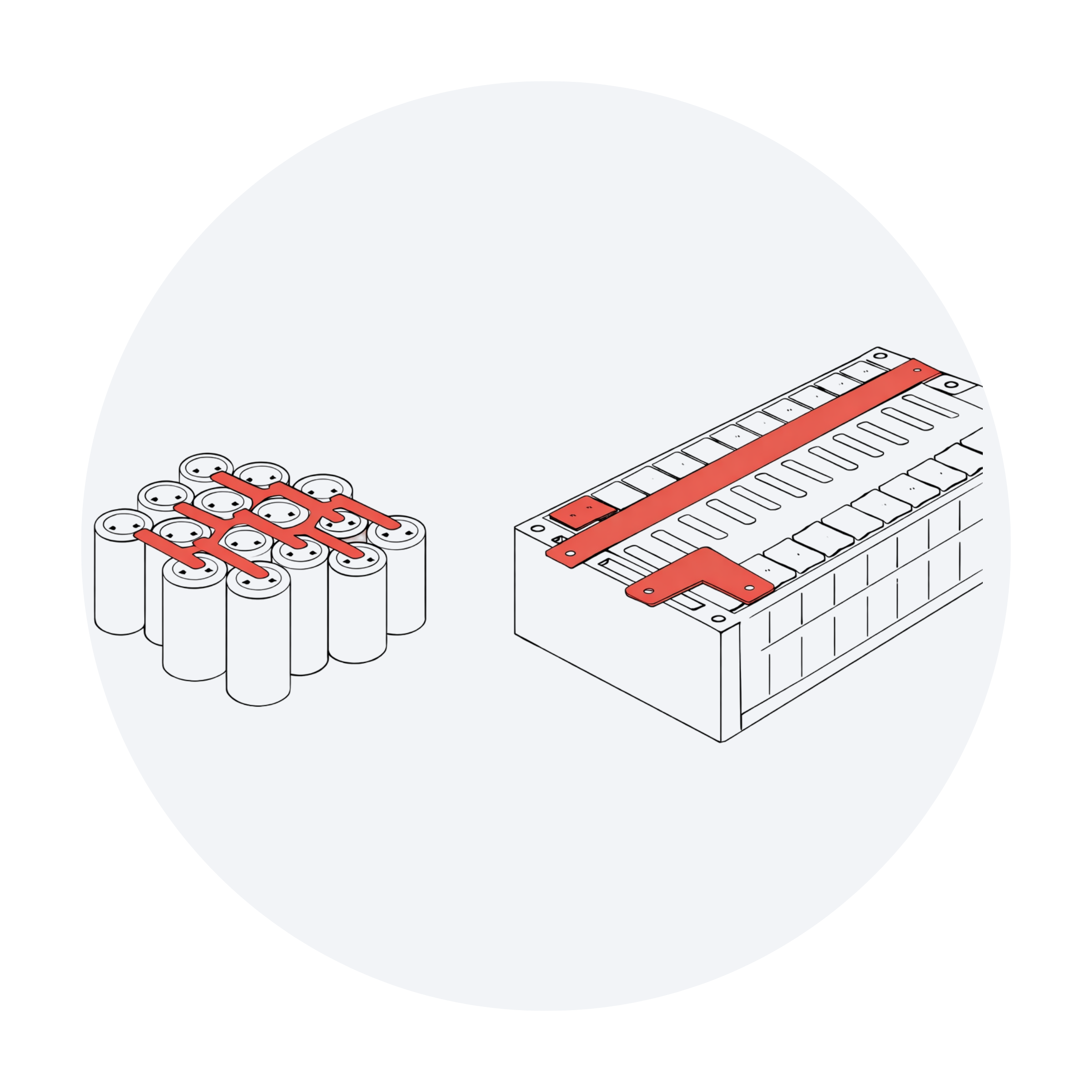
Electronics & Connectors
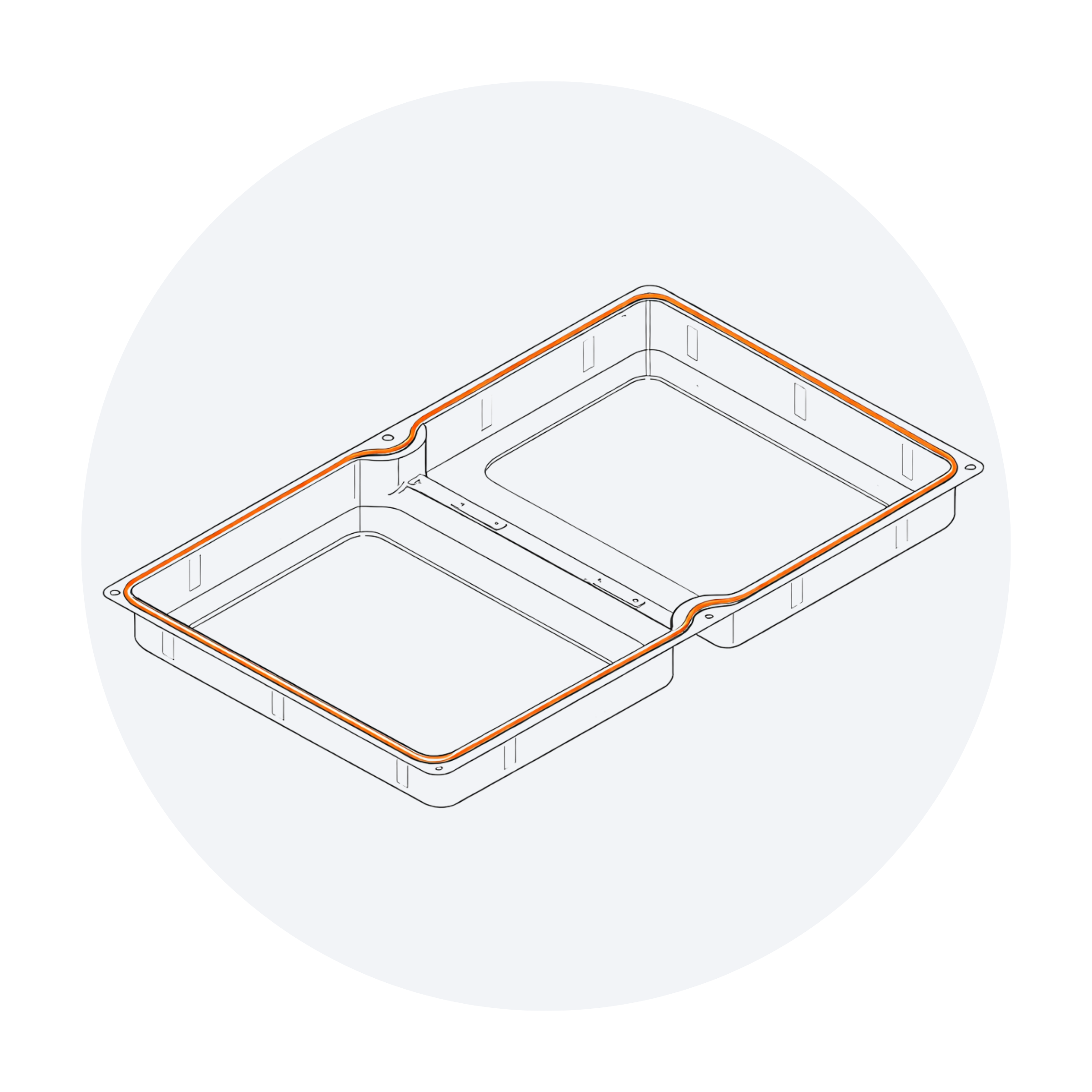
Pack Enclosure Sealing
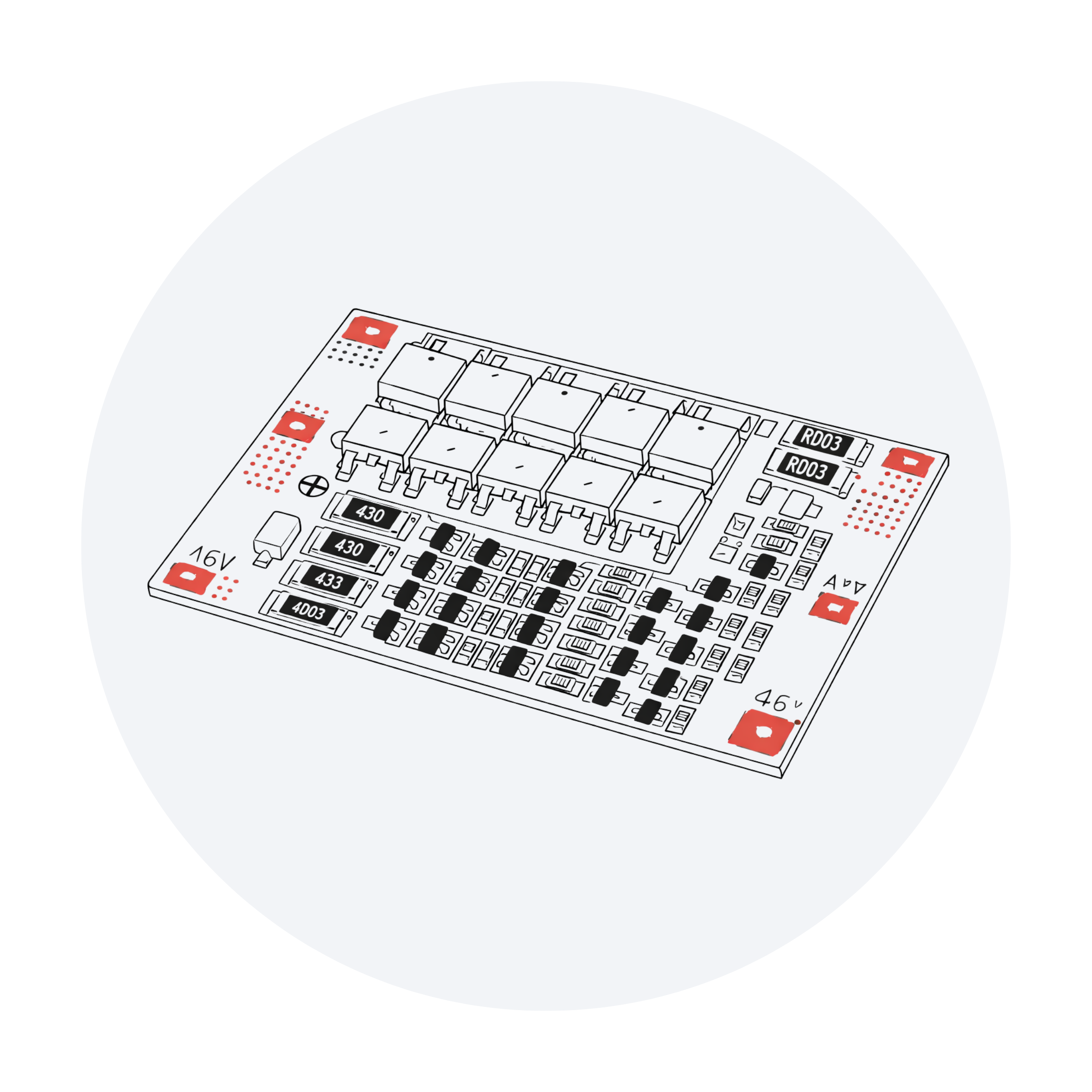
BMS PCB Protection
Commercial EV Battery Pack Assembly Solutions
Material selection in EV battery packs depends on the specific interface, performance requirements, and system design. Different suppliers provide solutions across structural bonding, thermal management, electrical insulation, and protection, each addressing different aspects of the assembly process.
Dow
Dow provides a broad portfolio of materials for EV battery pack assembly, covering thermal interface materials, structural adhesives, sealing systems, and fire protection materials. Their solutions are typically applied across multiple interfaces within the battery system.
Material focus
Silicone-based gap fillers and thermal gels, polyurethane structural adhesives, RTV sealants, and silicone foams
Typical applications
Cell-to-cooling interfaces, module bonding, enclosure sealing, and thermal runaway protection
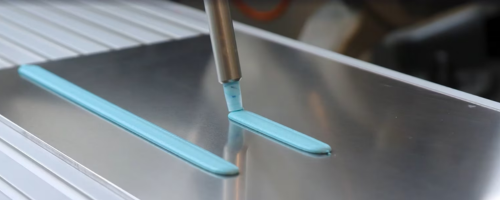

3M
3M’s EV battery solutions are focused on bonding, sealing, and attachment technologies across key battery interfaces, supporting both automated assembly and serviceable pack designs.
Material focus
Structural adhesives (epoxy and urethane), pressure-sensitive bonding tapes (including VHB™ and double-coated tapes), extrudable tapes for automated dispensing, enclosure sealants, and friction shims
Typical applications
Battery enclosure and frame bonding, cell-to-structure and between-cell attachment, enclosure sealing and gasketing, and pack-to-chassis attachment, with options for both permanent bonding and serviceable disassembly

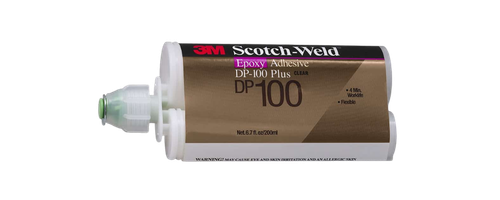
HumiSeal
HumiSeal provides conformal coatings and encapsulation materials designed for protecting electronic components within EV battery systems and associated electronics.
Material focus
Conformal coatings (acrylic, urethane, silicone, UV-curable), encapsulants, and protective gels
Typical applications
Protection of PCBs, BMS electronics, sensors, and control units against moisture, chemicals, vibration, and environmental exposure
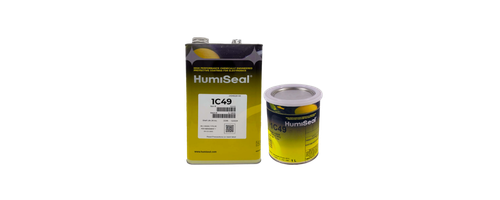

Solstice
Solstice materials are positioned within thermal management, particularly as thermal interface materials used in EV battery assemblies.
Material focus
Thermal interface materials such as gap fillers designed for compliance and heat transfer
Typical applications
Cell-to-module and module-to-cooling interfaces where consistent thermal contact is required

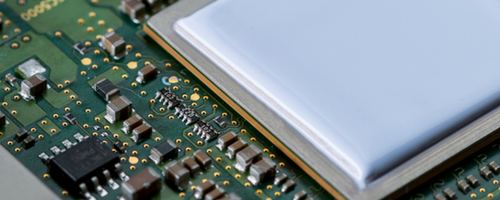
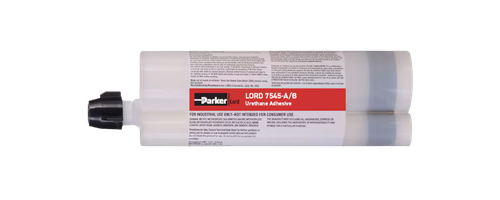
Parker LORD
Parker LORD provides materials that combine thermal management, structural bonding, and protective functions within EV battery systems.
Material focus
Thermally conductive structural adhesives, silicone gap fillers, and dielectric or flame-resistant coatings
Typical applications
Structural thermal interfaces, battery housings, and protective coating layers

Henkel
Henkel combines thermally conductive bonding materials with gap fillers and potting solutions, supporting both structural and thermal requirements in battery systems.
Material focus
Thermally conductive polyurethane adhesives, silicone gap fillers, and thermal potting compounds
Typical applications
Cell-to-module bonding, cell-to-cooling interfaces, and protection of BMS and power electronics
Huntsman
Huntsman’s materials are primarily based on epoxy systems designed for electrical insulation, potting, and structural bonding applications.
Material focus
Thermally conductive epoxy potting systems and structural epoxy adhesives
Typical applications
Electrical insulation, encapsulation of components, and structural bonding in battery modules and packs
Material Coverage Across Battery Interfaces
The table below summarizes how different suppliers support key material functions across EV battery pack interfaces, based on publicly available information.
| Interface / Function | Dow | 3M | Henkel | Huntsman | Parker LORD | Solstice | HumiSeal |
|---|---|---|---|---|---|---|---|
| Cell-to-cell (barrier / insulation) | Silicone foams, PU foams (DOWSIL™, VORATRON™) | Thermal barrier materials (3M™ Flame Barrier) | — | Encapsulation foams (SHOKLESS™) | Protective coatings (LORD®) | — | — |
| Cell-to-module (structural) | PU adhesives, silicones (VORATRON™, DOWSIL™) | Structural adhesives (3M™ Scotch-Weld™) | Thermally conductive PU adhesives (LOCTITE®) | Epoxy, PU adhesives (ARALDITE®, ARATHANE®, SHOKLESS™) | Thermal structural adhesives (CoolTherm®) | — | Encapsulation (HumiSeal®) |
| Cooling interface (TIM) | Gap fillers, gels (DOWSIL™ TC, VORATRON™) | Pads, TIMs, fillers (3M™ Thermal Interface, BN fillers) | Gap fillers (BERGQUIST®) | Thermally conductive encapsulants (ARATHANE®) | Gap fillers (CoolTherm®) | PCMs, gap fillers, gels (PTM™, TGP™) | — |
| Module-to-pack | Adhesives, TIMs (VORATRON™, DOWSIL™) | Adhesives, sealants (3M™ Scotch-Weld™, SZ1000) | Thermally conductive PU adhesives (LOCTITE®) | Structural adhesives, encapsulants (ARALDITE®, SHOKLESS™) | Thermal adhesives (CoolTherm®) | TIMs (PCMs, gels) | — |
| Electrical insulation / potting | Encapsulants, potting (DOWSIL™, VORATRON™) | Insulation tapes, films (3M™ Electrical) | Potting compounds (LOCTITE®, BERGQUIST®) | Potting, encapsulation (ARALDITE®, ARATHANE®, SHOKLESS™) | Encapsulation, coatings (CoolTherm®, LORD®, Sipiol®) | Thermally conductive gels | Conformal coatings (HumiSeal®) |
| Sealing / enclosure | RTV, gaskets (DOWSIL™) | Sealants, tapes (3M™ SZ1000, VHB™) | — | — | Coatings (LORD®, Sipiol®) | — | Protective coatings (HumiSeal®) |
Summary based on publicly available data. Actual material selection depends on system design and performance requirements.