

Strength Without the Weight
Bond and Seal Aerospace Structures
-
Home

-
Aerospace
-
Structures & Airframes
- Cabin Interiors
Cabin Interiors
Cabin Interiors
Aircraft interiors combine lightweight sandwich panels, thermoplastics, metals, fabrics and decorative surfaces into structures that must survive service loads while meeting strict fire-safety and weight requirements.
Adhesives and sealants are used for honeycomb panel bonding, inserts, edge closeout, bracket attachment, seating components, thermoplastic bonding and local sealing. Product selection is driven by substrate compatibility, FST or FR requirements, density, working time and production throughput.
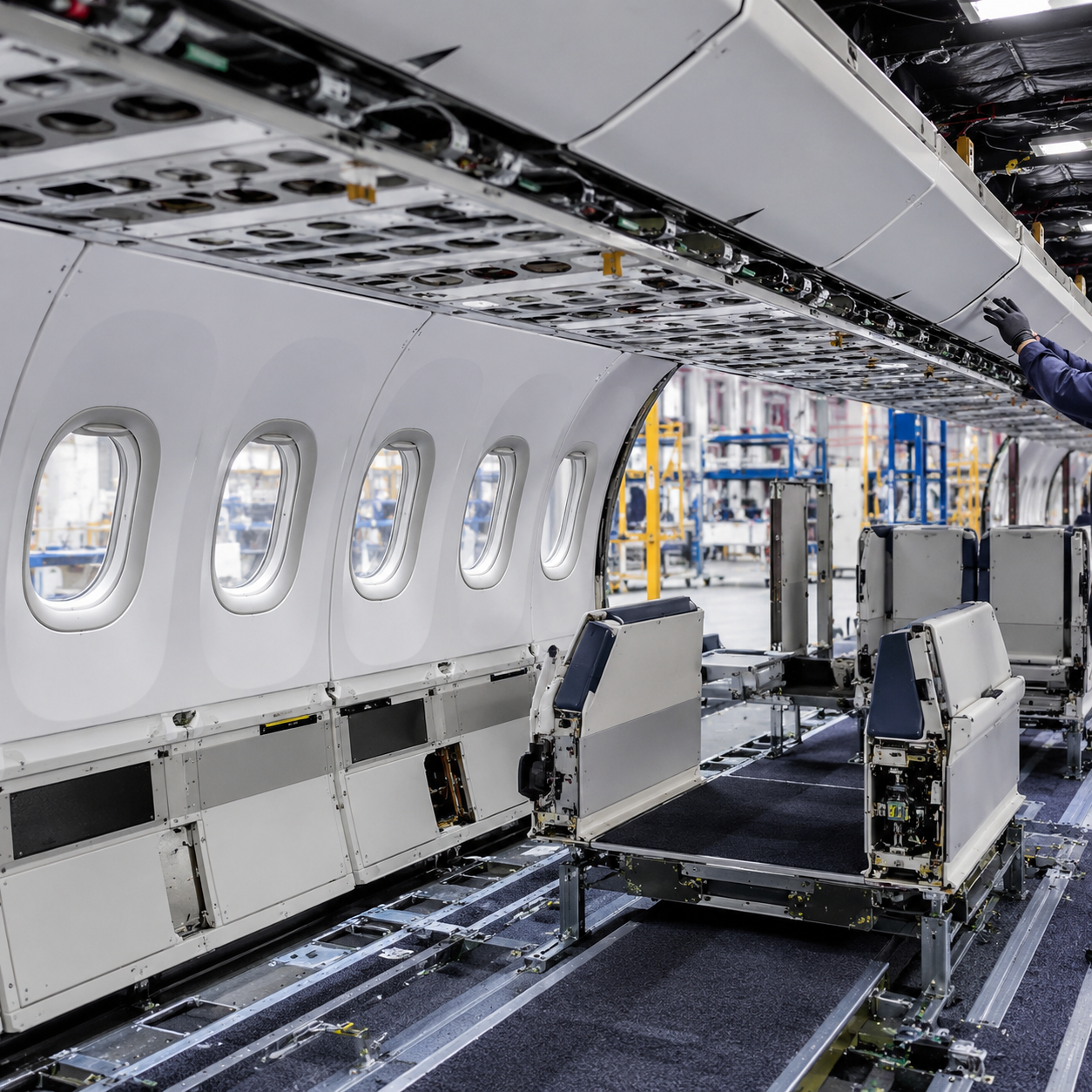
Where Interior Materials Are Used
FST/FR structural adhesives join face sheets, cores, closeouts and local reinforcements in lightweight cabin panels.
Potting and core reinforcement compounds distribute loads around inserts used to attach furniture, monuments and hardware.
Interior adhesives join thermoplastic trim and molded parts to metal or composite structures without adding mechanical fasteners at every location.
Adhesives support edge filling, bracket bonding, core splicing and local structural assembly in seating structures and surrounds.
Flexible aerospace sealants can close seams, protect joints and accommodate movement in selected cabin and cargo-area applications.
Lower-density bonding solutions may attach decorative elements while balancing aesthetics, weight, process speed and service durability.
Key Cabin Requirements
Applicable flame, smoke, toxicity and heat-release requirements must be confirmed for the specific interior construction and aircraft program.
Adhesive and filler density matters because interior material usage is repeated across large cabin areas.
Ambient-cure or mild-heat processes can reduce oven demand and simplify assembly of large interior structures.
One cabin can combine aluminum, honeycomb, composite laminates, thermoplastics, fabrics and coatings, so adhesion must be validated on the actual substrate stack.
Mixing, open time, handling strength and cure speed directly affect interior production throughput and rework.
Squeeze-out, surface staining and visible bondlines must be controlled where cabin aesthetics are part of the finished product.
Featured Products
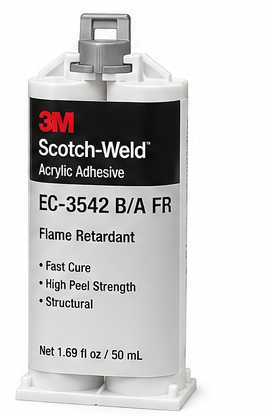
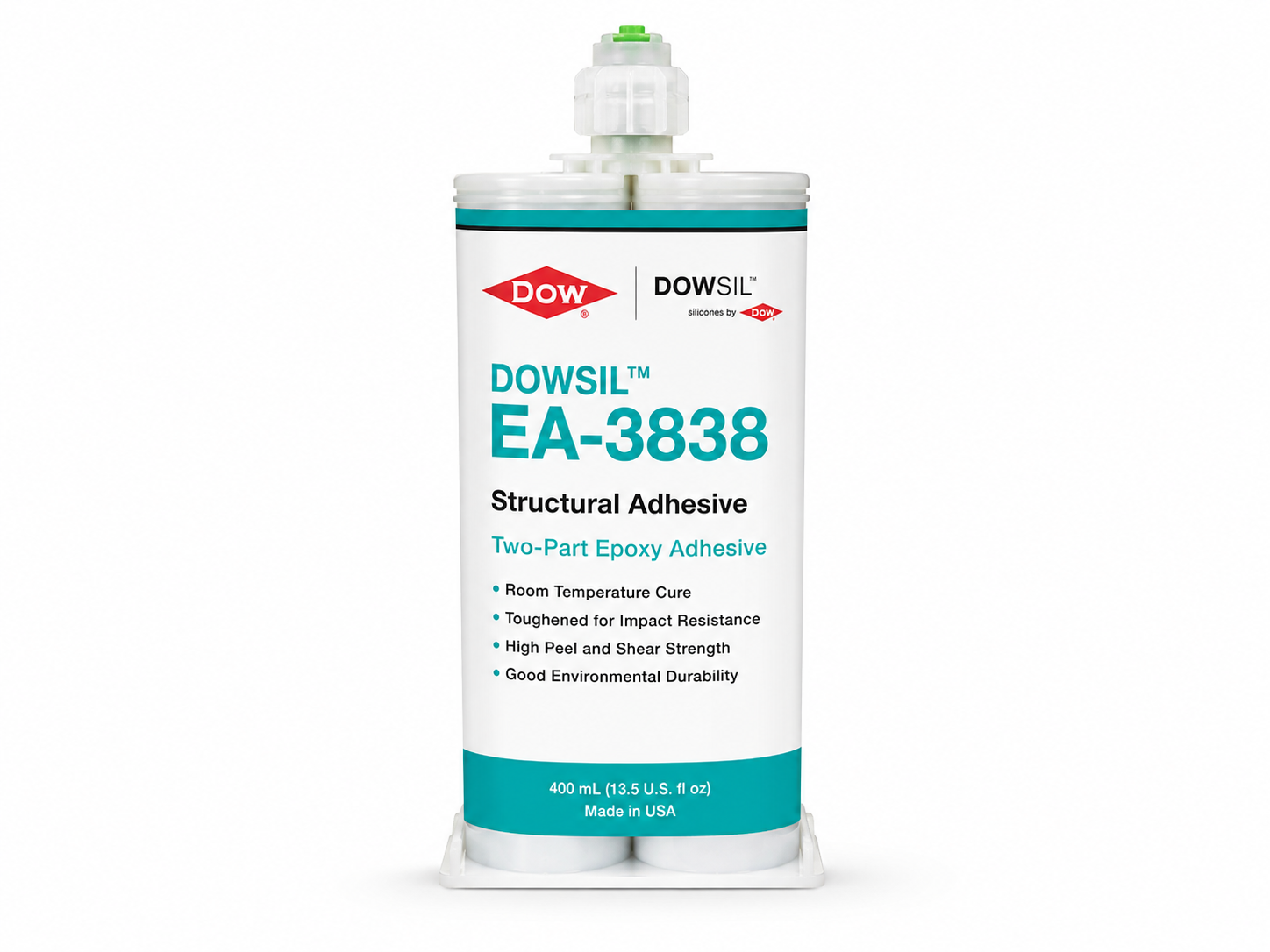
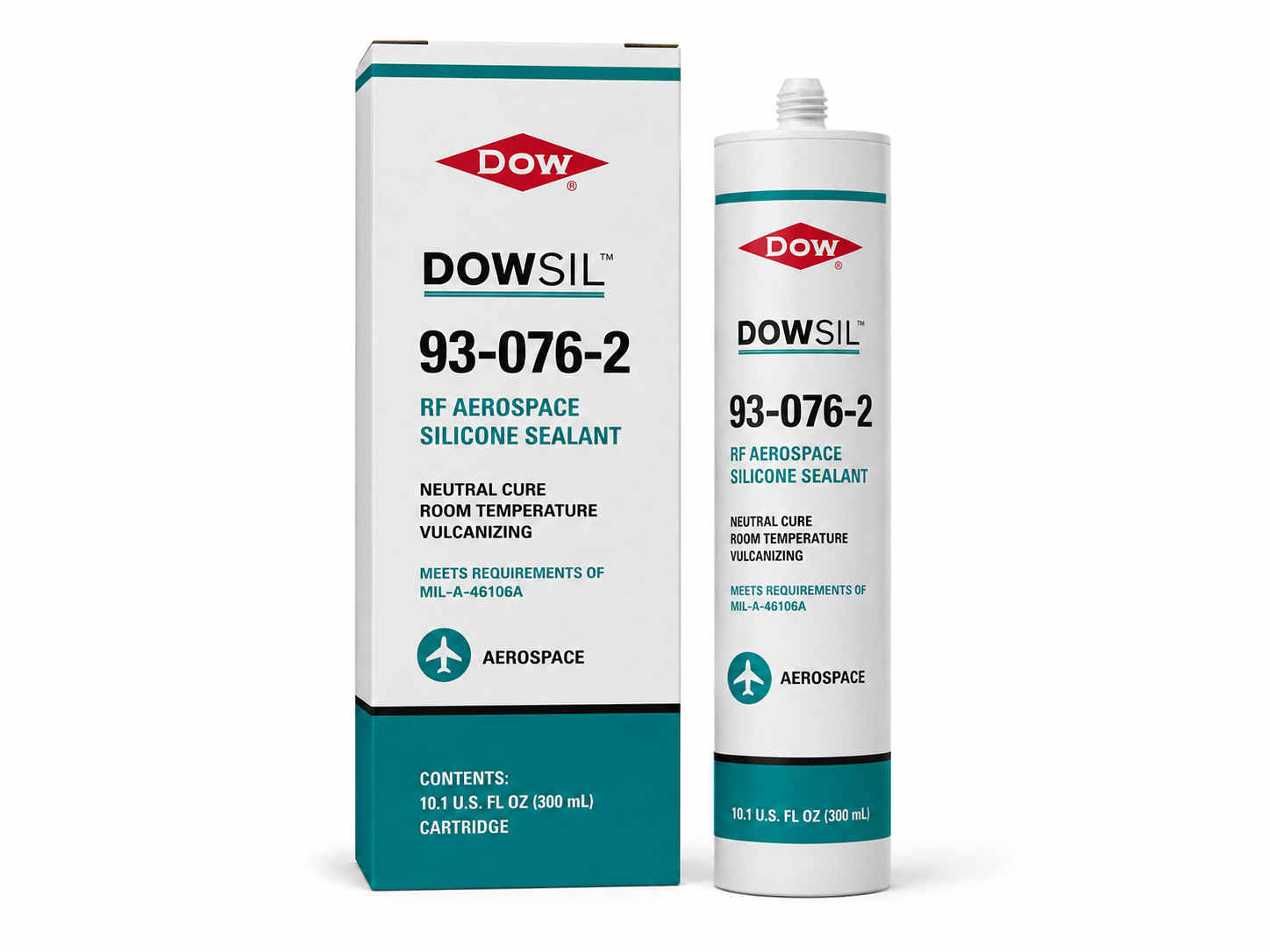
Featured Supplier Spotlight
3M
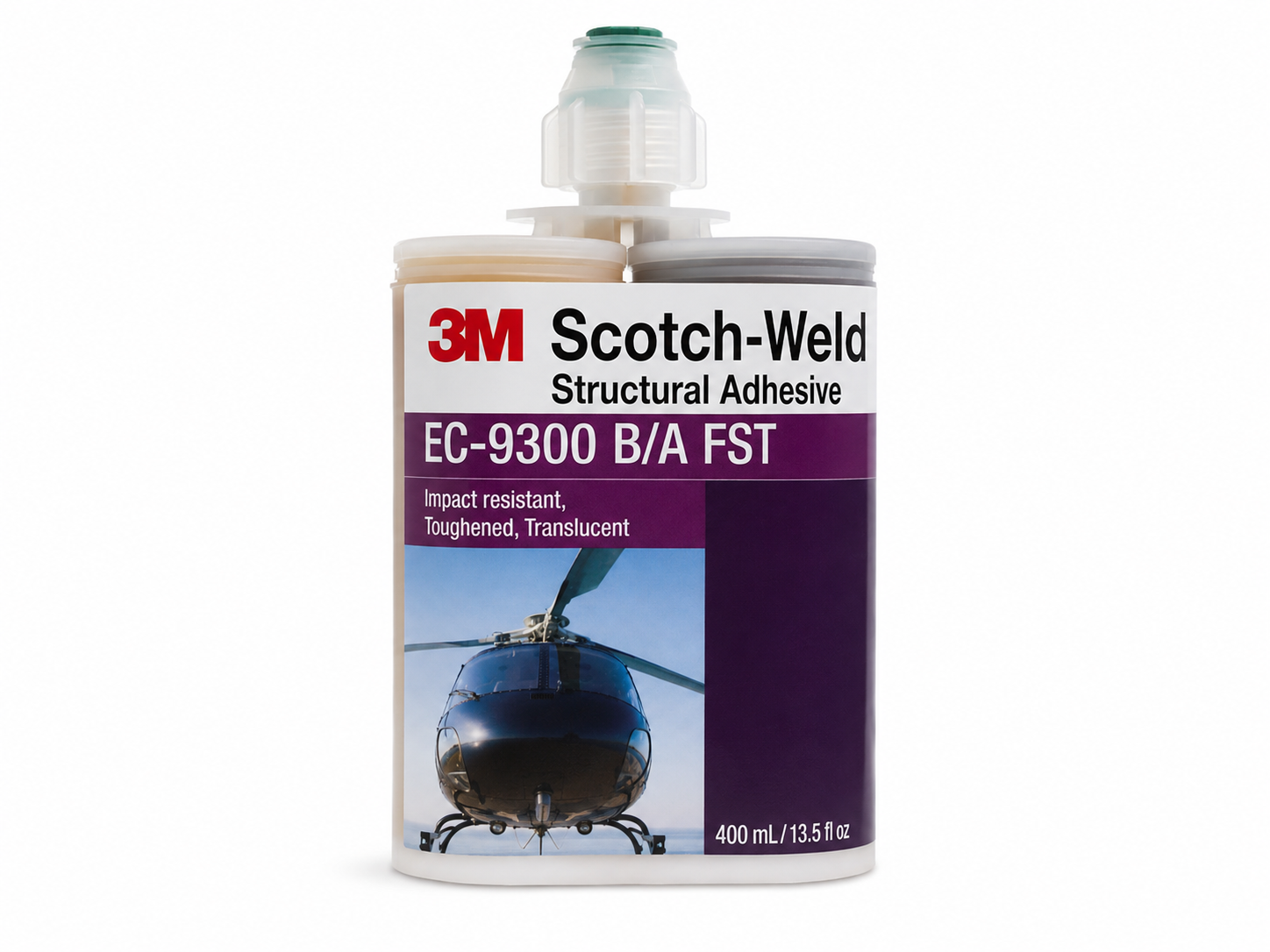
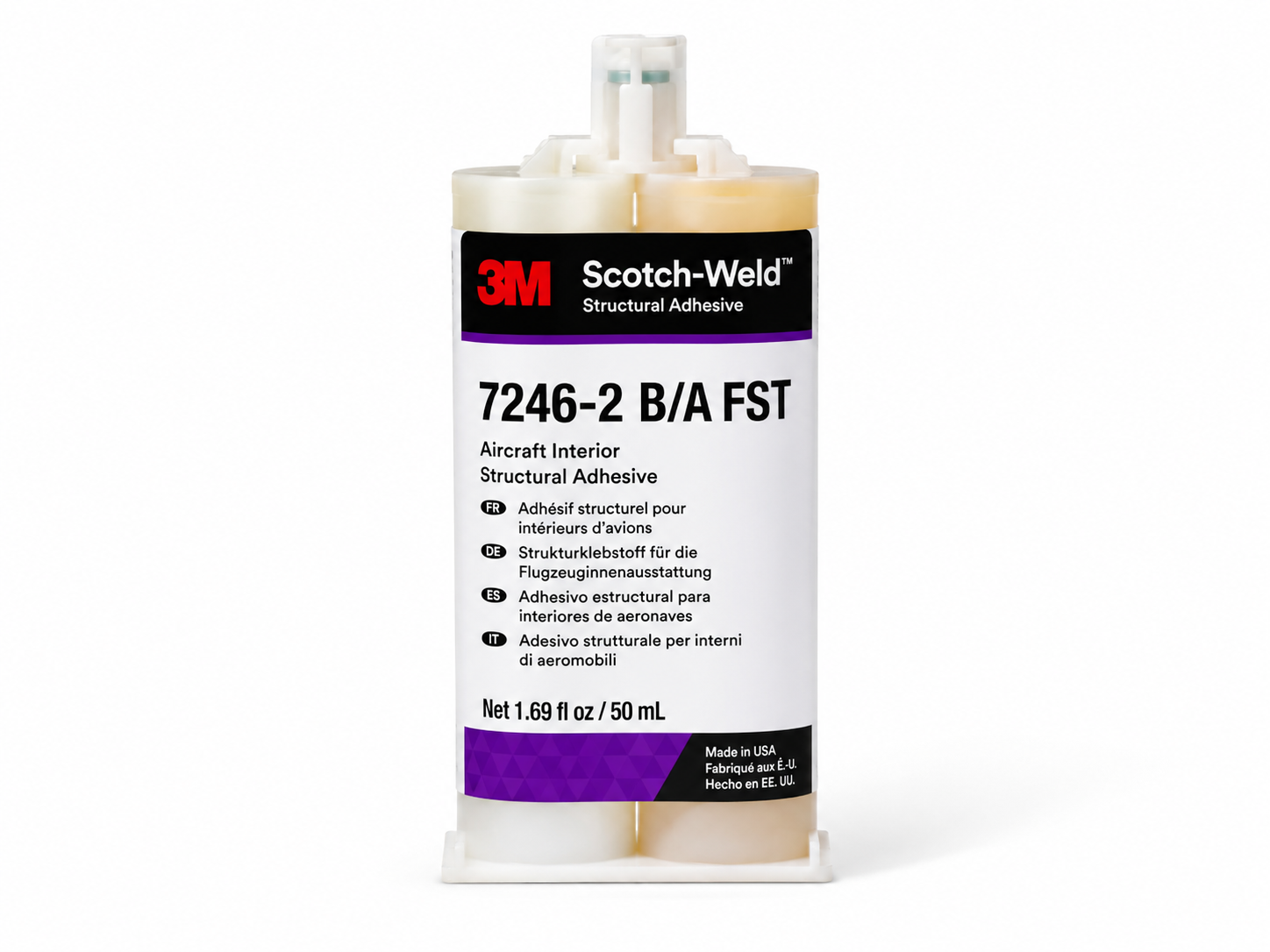
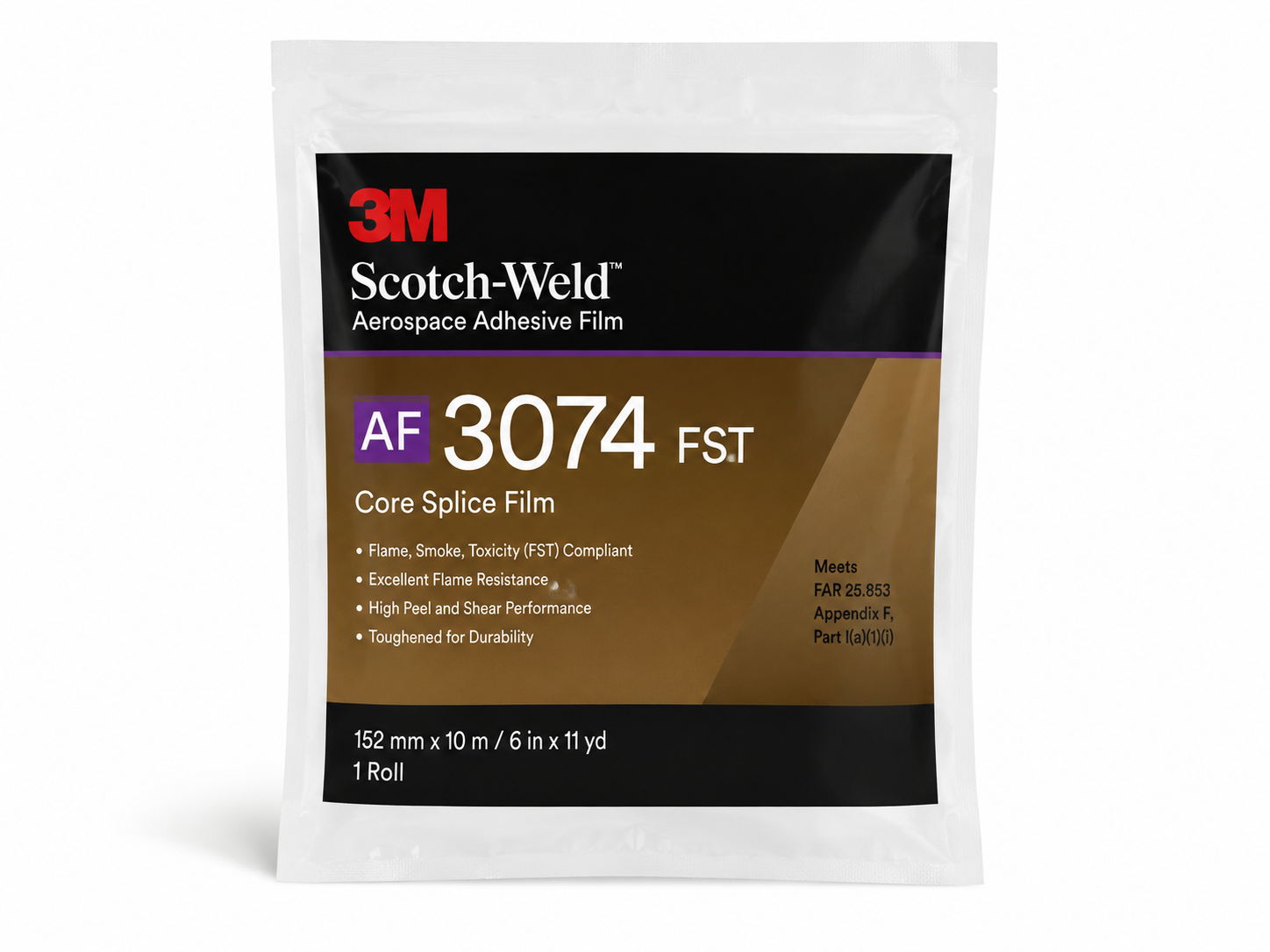
3M has a particularly broad aircraft-interior portfolio covering FST/FR paste adhesives, core-splice films, thermoplastic bonding, insert/core applications, seating, sealants and protective tapes.
Dow
Dow aerospace silicone adhesives and sealants add flexible sealing, environmental resistance and movement accommodation in selected interior and aircraft assembly areas.
Henkel
Henkel's broader aerospace adhesive portfolio can support structural and assembly requirements; exact cabin-interior FST approval should be verified product-by-product rather than inferred from brand or chemistry alone.
Frequently Asked Questions
What does FST mean in aircraft interiors?
FST refers to flame, smoke and toxicity performance. Depending on the part and aircraft program, heat-release requirements may also apply. Compliance has to be confirmed for the specific material and construction.
Why are honeycomb panels so common in cabin structures?
Sandwich panels can provide high bending stiffness at low mass. Adhesives are used to bond face sheets to core and to reinforce or close out local areas where hardware is attached.
Can a general structural epoxy be used inside the cabin?
Not automatically. Mechanical strength alone does not establish compliance with cabin fire-performance requirements. The exact adhesive and panel construction must satisfy the applicable specification and qualification requirements.
What matters when bonding thermoplastic interior parts?
The specific polymer, surface condition, coating or texture, joint stress and cabin fire requirements all matter. Adhesion should be tested on the actual molded substrate rather than assumed from a generic plastic category.
Need Help Selecting Aircraft Interior Bonding Materials?
Krayden can help narrow interior materials by FST/FR requirement, substrate, density, cure speed and application method while confirming the documentation required for the specific aircraft program.
Quick Reference