

Strength Without the Weight
Bond and Seal Aerospace Structures
-
Home

-
Aerospace
-
Structures & Airframes
- Tooling & Mold Fabrication
Tooling & Mold Fabrication
Tooling & Mold Fabrication
Composite tooling establishes the surface, dimensional accuracy and repeatability of every part formed against it. Mold preparation materials therefore affect both the first release and the consistency of later production cycles.
Release agents, mold sealers and compatible repair materials are selected around tool substrate, cure temperature, part resin chemistry and the need to avoid transfer onto surfaces that will later be painted or bonded.
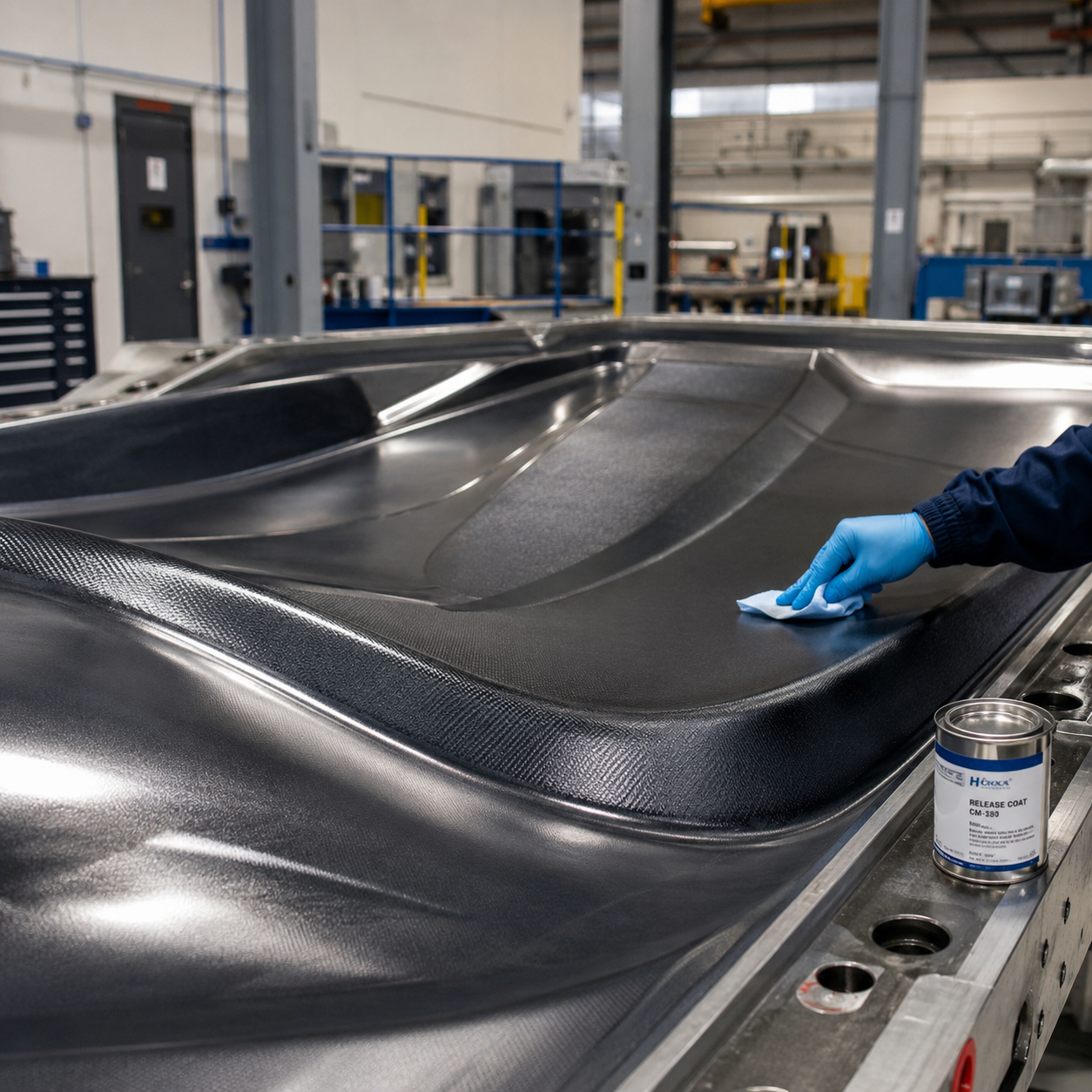
Tooling Material Functions
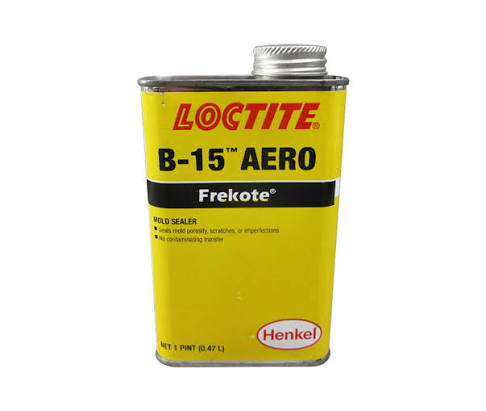
Polymeric sealers fill micro-porosity and minor surface imperfections before release chemistry is applied.
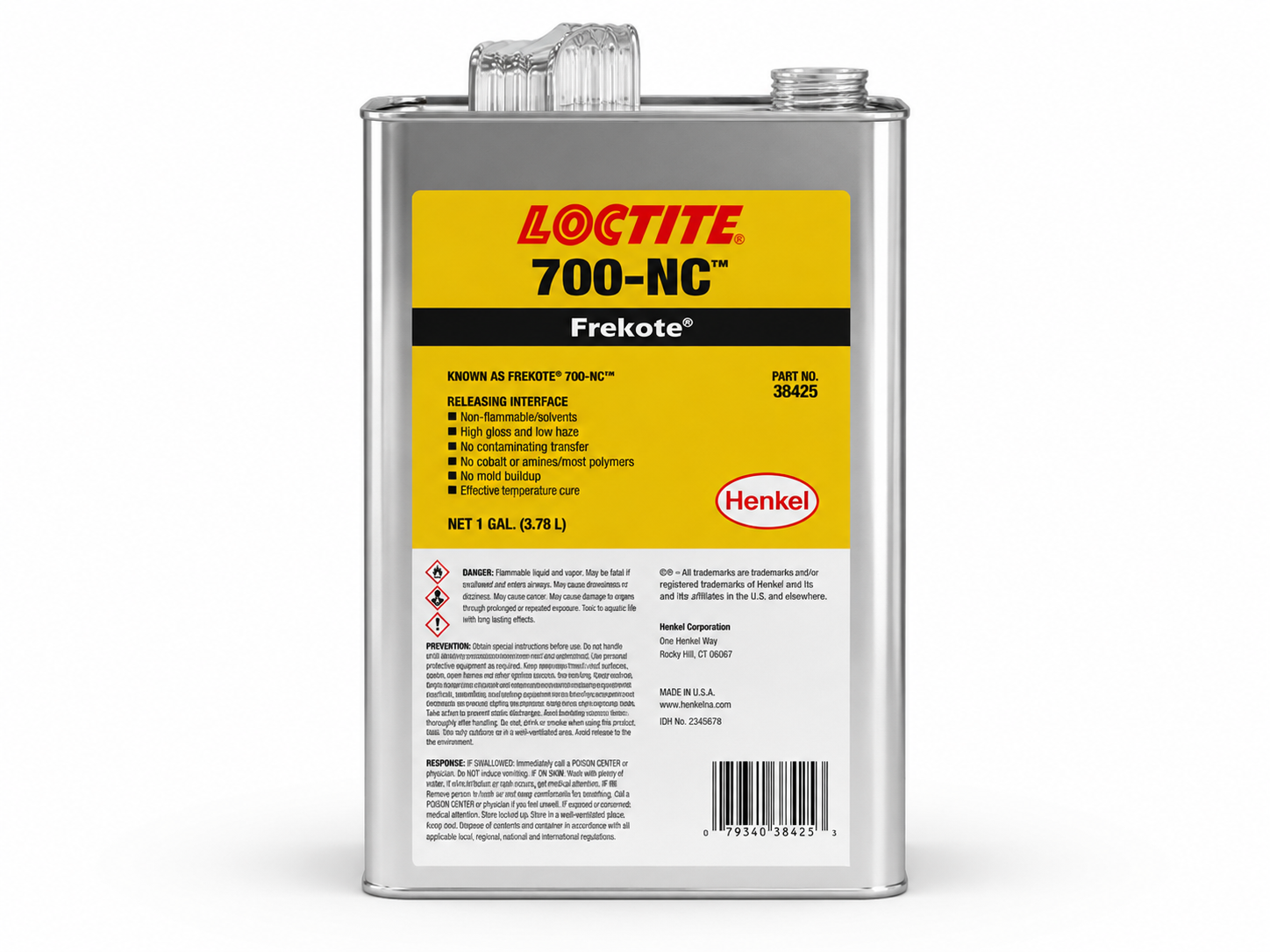
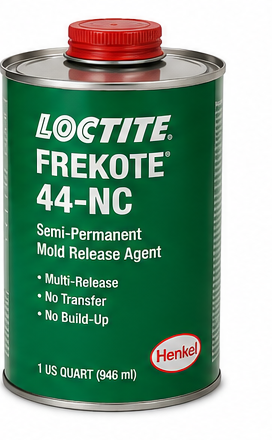
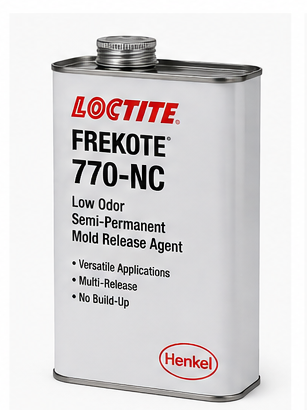
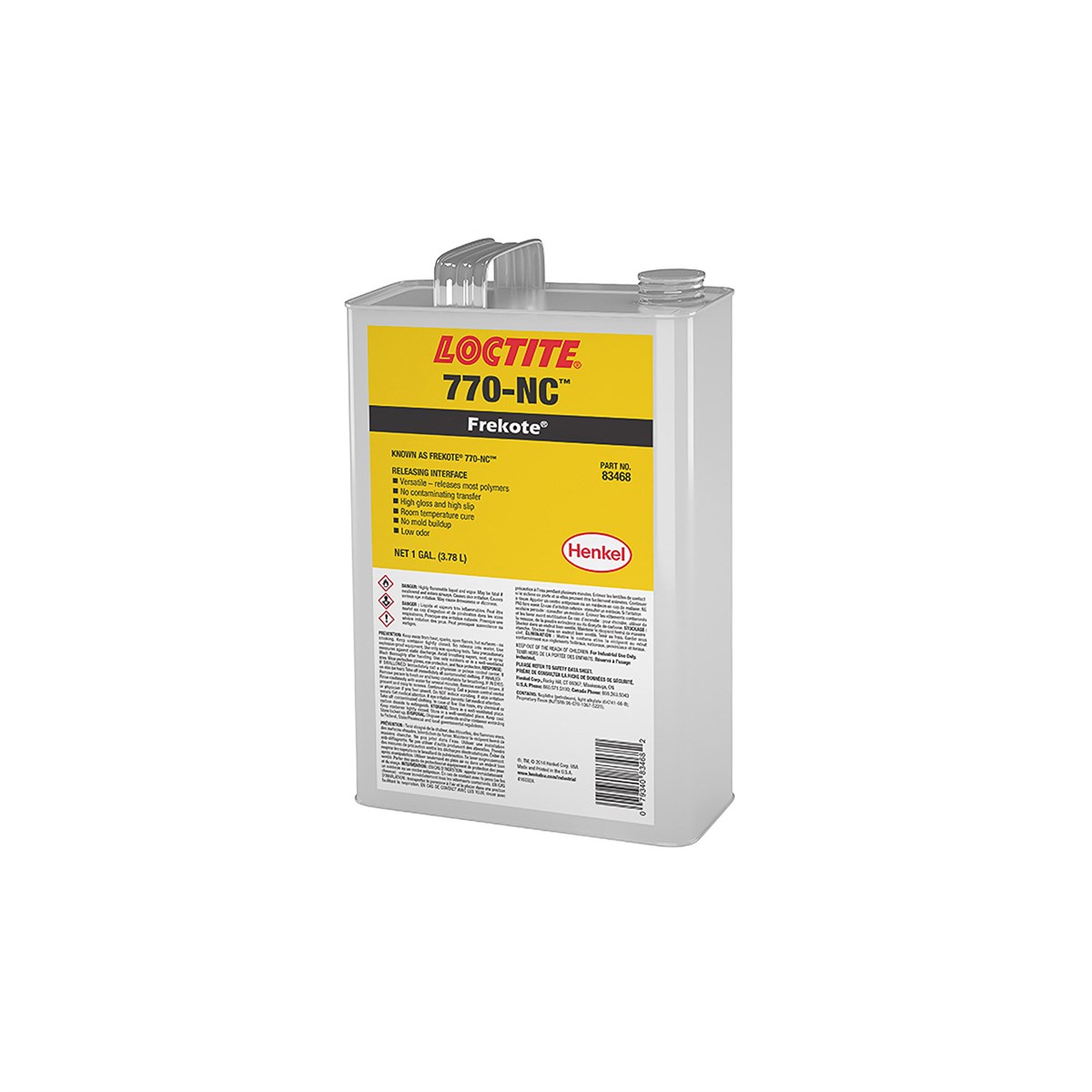
Thin release coatings can support multiple molding cycles while limiting mold build-up and transfer to the part.
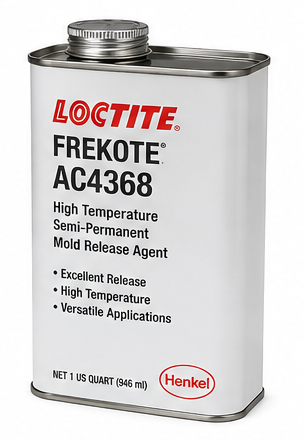
Release chemistry must remain stable at the actual tool surface temperature reached during cure.
Conditioning and maintenance keep release behavior consistent across repeated production cycles.
Local scratches, porosity or damage should be repaired without creating print-through or dimensional change in the next molded part.
Non-migratory release systems are valuable where molded parts will later be bonded, coated or painted.
Featured Mold Preparation Products
Frequently Asked Questions
What is the difference between a mold sealer and a release agent?
A mold sealer fills or stabilizes micro-porosity and surface defects in the tool. The release agent forms the interface that allows the cured part to separate from that prepared tool surface.
Why use a semi-permanent release system?
Semi-permanent systems are designed to remain on the mold through multiple release cycles, reducing repeated application while limiting wax-like build-up.
Does tool temperature matter when selecting release chemistry?
Yes. The actual mold surface temperature and resin chemistry should be checked against the release agent's published processing range. A room-temperature molding release is not automatically suitable for a high-temperature cure.
Why is contaminating transfer important?
Release residue on the molded part can interfere with later painting, coating or adhesive bonding. Where those downstream steps are planned, a non-migratory system and validated cleaning process are important.
Need Help Matching Release Chemistry to Your Composite Tool?
Tool substrate, porosity, molding resin, cure temperature, finish requirements and downstream bonding all influence the correct sealer and release system.
Quick Reference