

Protect Electronics in Harsh Conditions
Flight-Ready Encapsulation and Coatings
-
Home

-
Aerospace
-
Flight Control & Avionics
- EMI Shielding & Conductive Bonding
EMI Shielding & Conductive Bonding
EMI Shielding & Conductive Bonding
Flight control electronics and avionics assemblies operate in tightly packed environments where electromagnetic interference can disrupt signal integrity, reduce reliability, or contribute to compliance challenges. EMI shielding and conductive bonding materials help manage those risks by creating controlled conductive paths, grounding interfaces, and localized shielding around critical electronics.
These materials are used across housings, covers, seams, connectors, boards, modules, cable transitions, radome-adjacent electronics, and compact enclosures where lightweight, process-friendly shielding is needed without relying only on mechanical fastening.
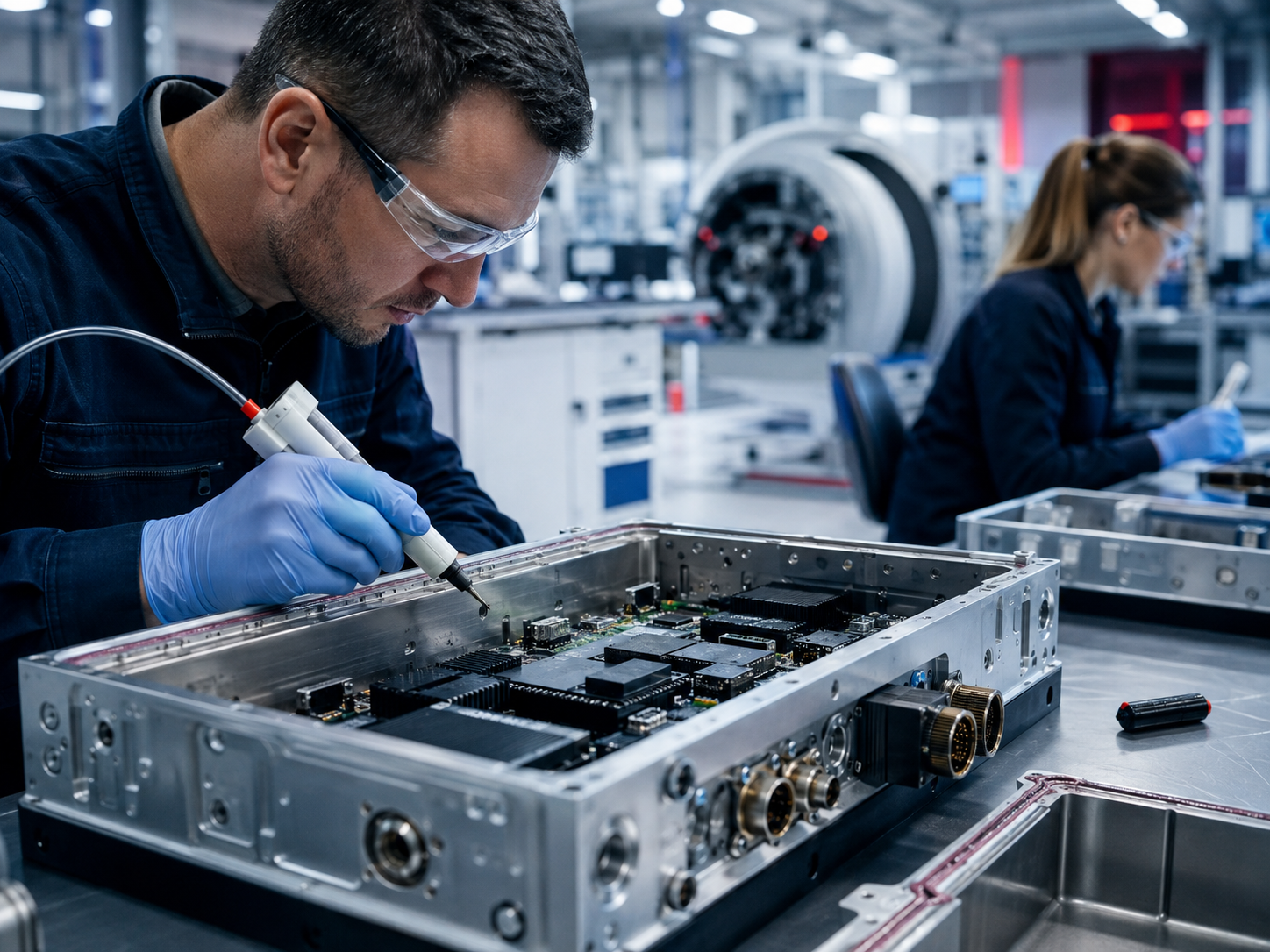
Where EMI Shielding & Conductive Bonding Materials Are Used
Conductive tapes and adhesives can help create shielding continuity across covers, seams, joints and lightweight housings.
Electrically conductive adhesives and tapes can connect shield layers, stiffeners, frames and localized grounding points where soldering or mechanical hardware is not preferred.
EMI control materials can reduce noise leakage and improve electrical continuity around connectors and high-frequency interfaces.
Thin conductive tapes may support shielding and grounding in compact cockpit displays and control interfaces where low-profile construction matters.
Shielding adhesives can help maintain conductive continuity in sensor-adjacent electronics where stable conductivity and environmental durability are important.
Conductive bonding materials may be used where localized electrical continuity, sealing or repair is needed without reflow soldering.
Key Performance Requirements
The selected material must attenuate unwanted interference at the relevant frequencies rather than simply being electrically conductive.
Grounding and bonding materials need stable conductivity through the bondline or tape construction over time.
Temperature cycling, humidity, vibration and fluids can influence both adhesion and electrical performance.
Materials often need to follow corners, uneven interfaces or small contact areas while maintaining continuity.
Dispensing, stencil printing, die-cutting, lamination pressure and cure profile all influence manufacturability.
Thin tapes and conductive adhesives can support EMI control where metal hardware or bulky shielding solutions are less practical.
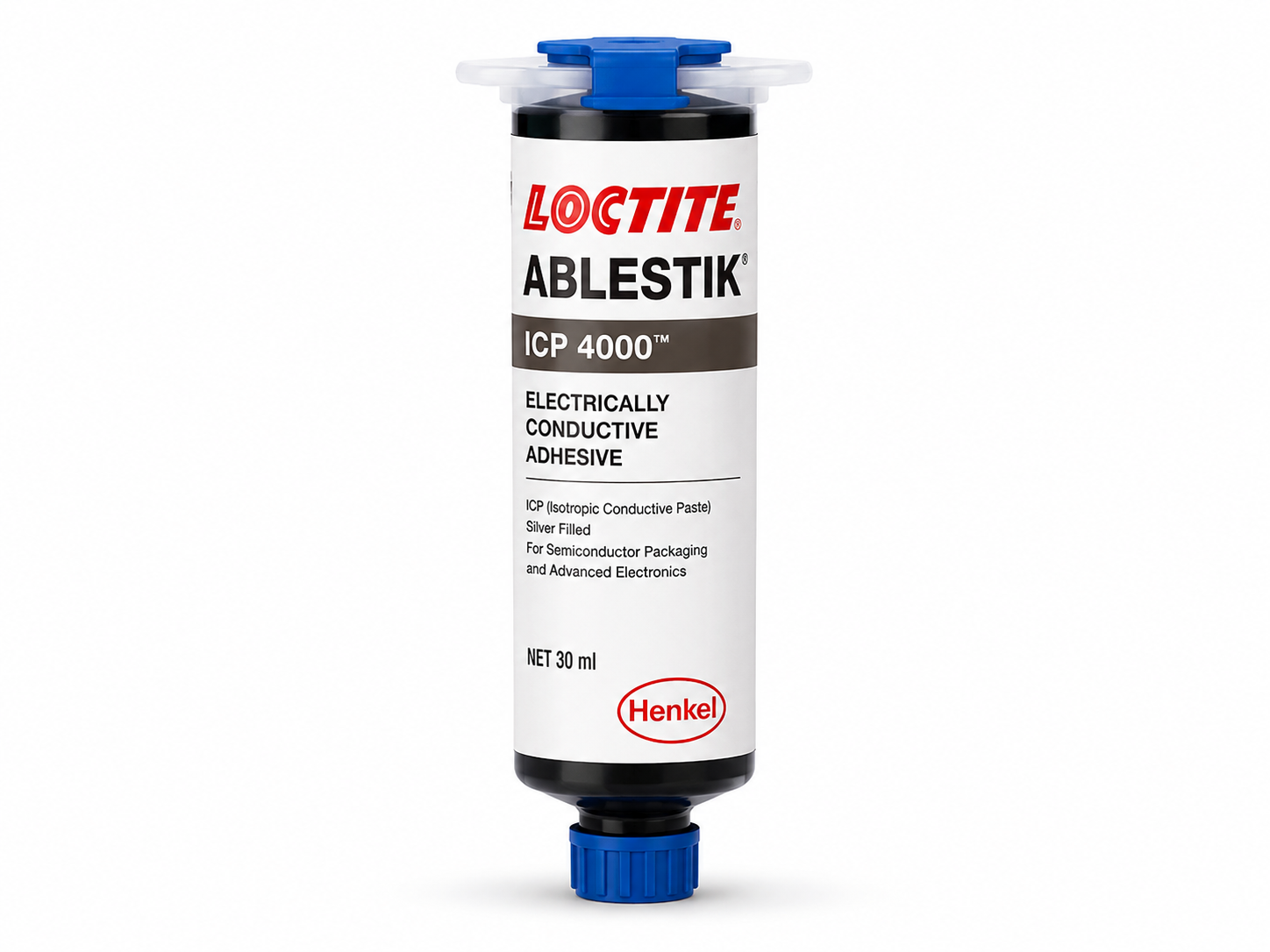
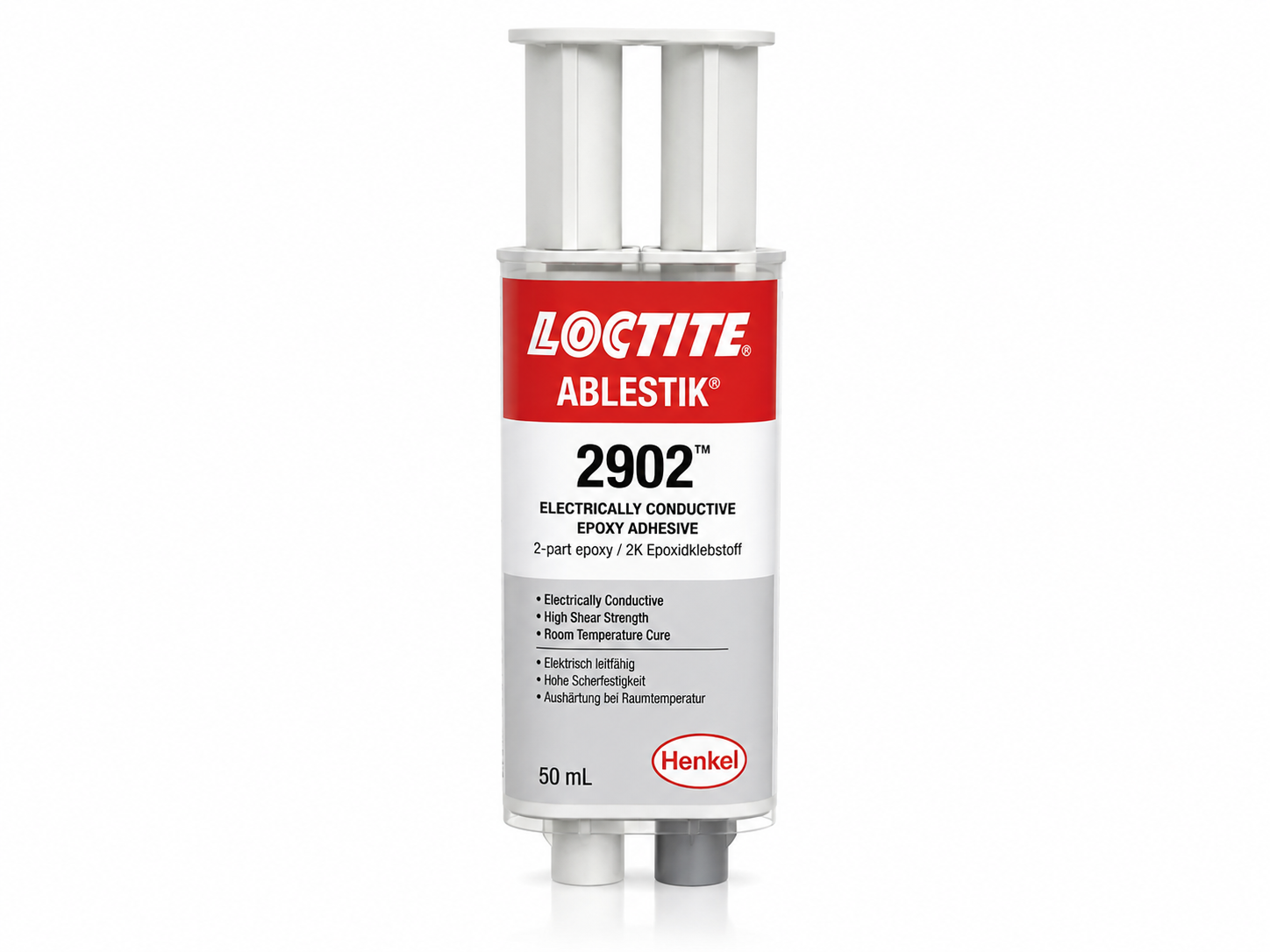
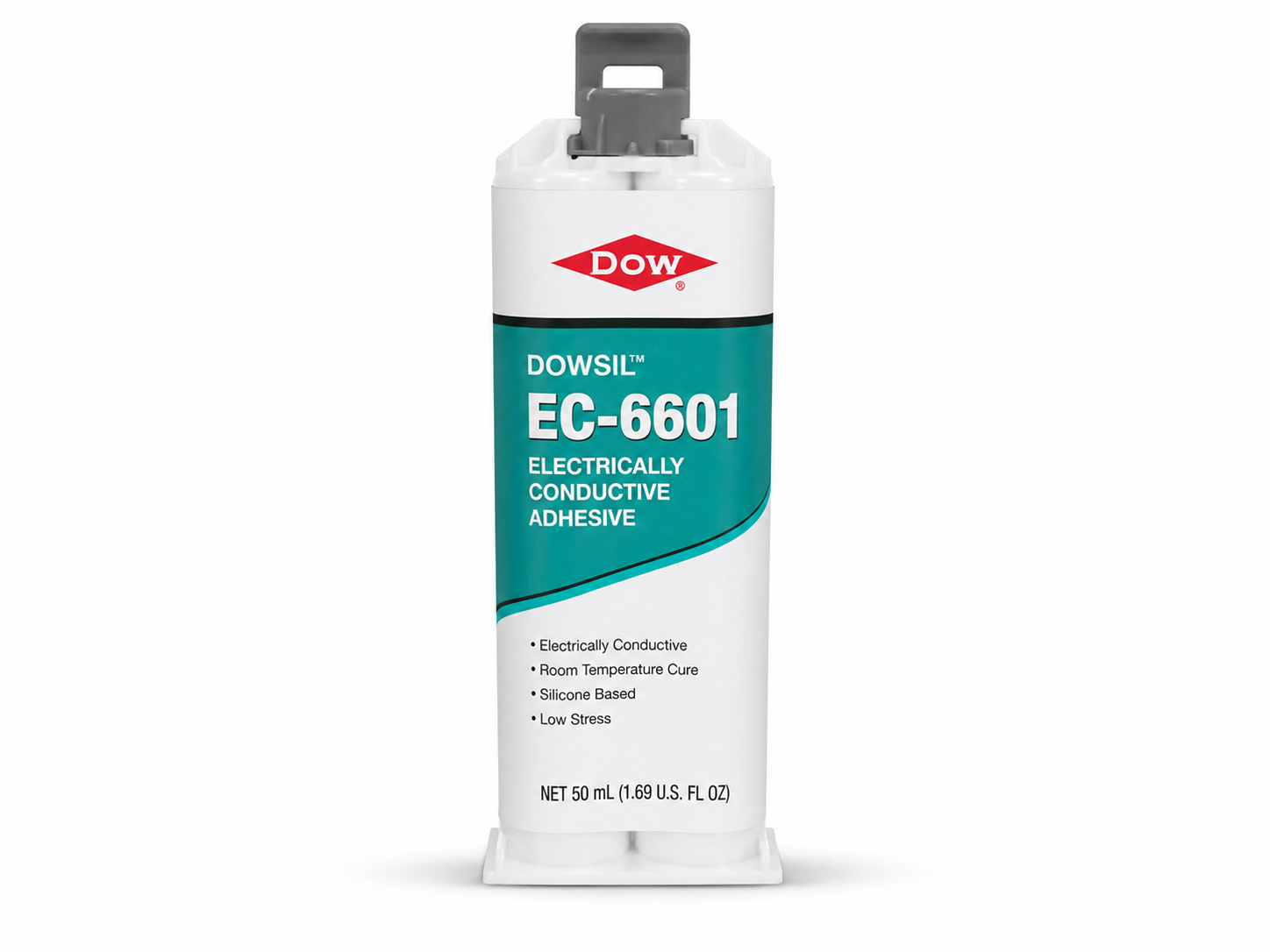
Why These Material Types Matter
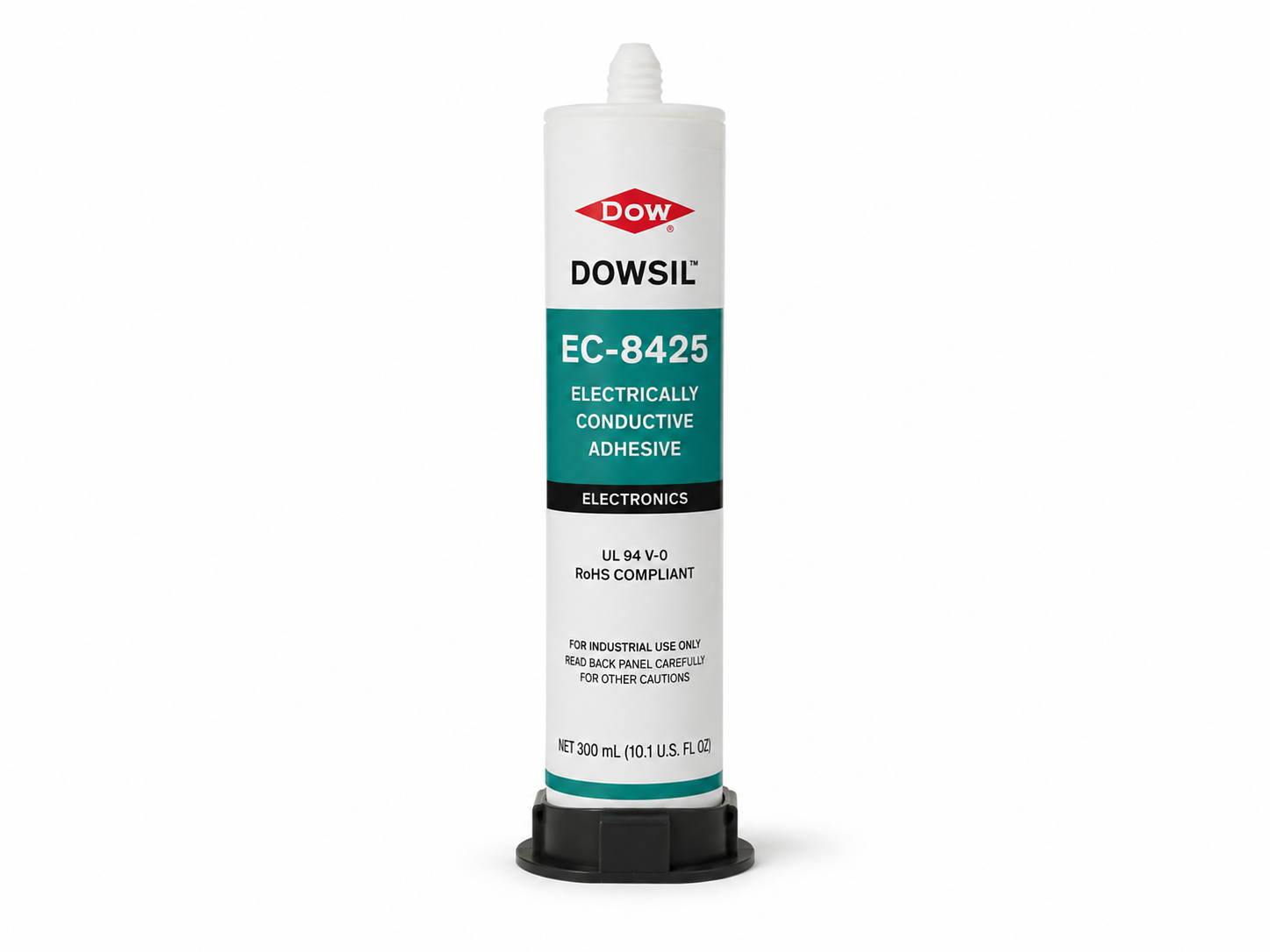
Conductive Adhesives
Useful where a dispensed bondline must also provide electrical continuity, grounding or shielding support without relying on soldering alone.
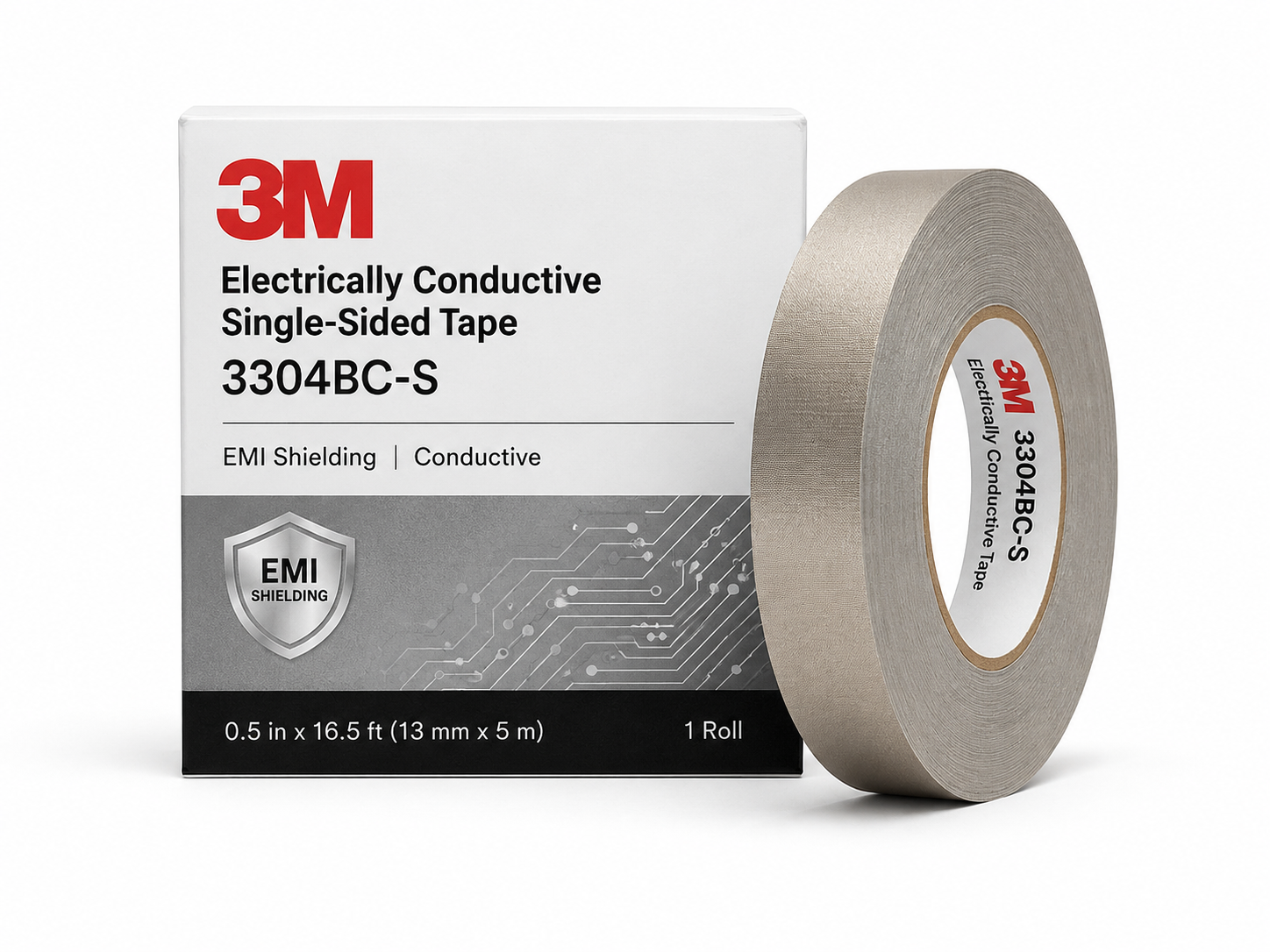
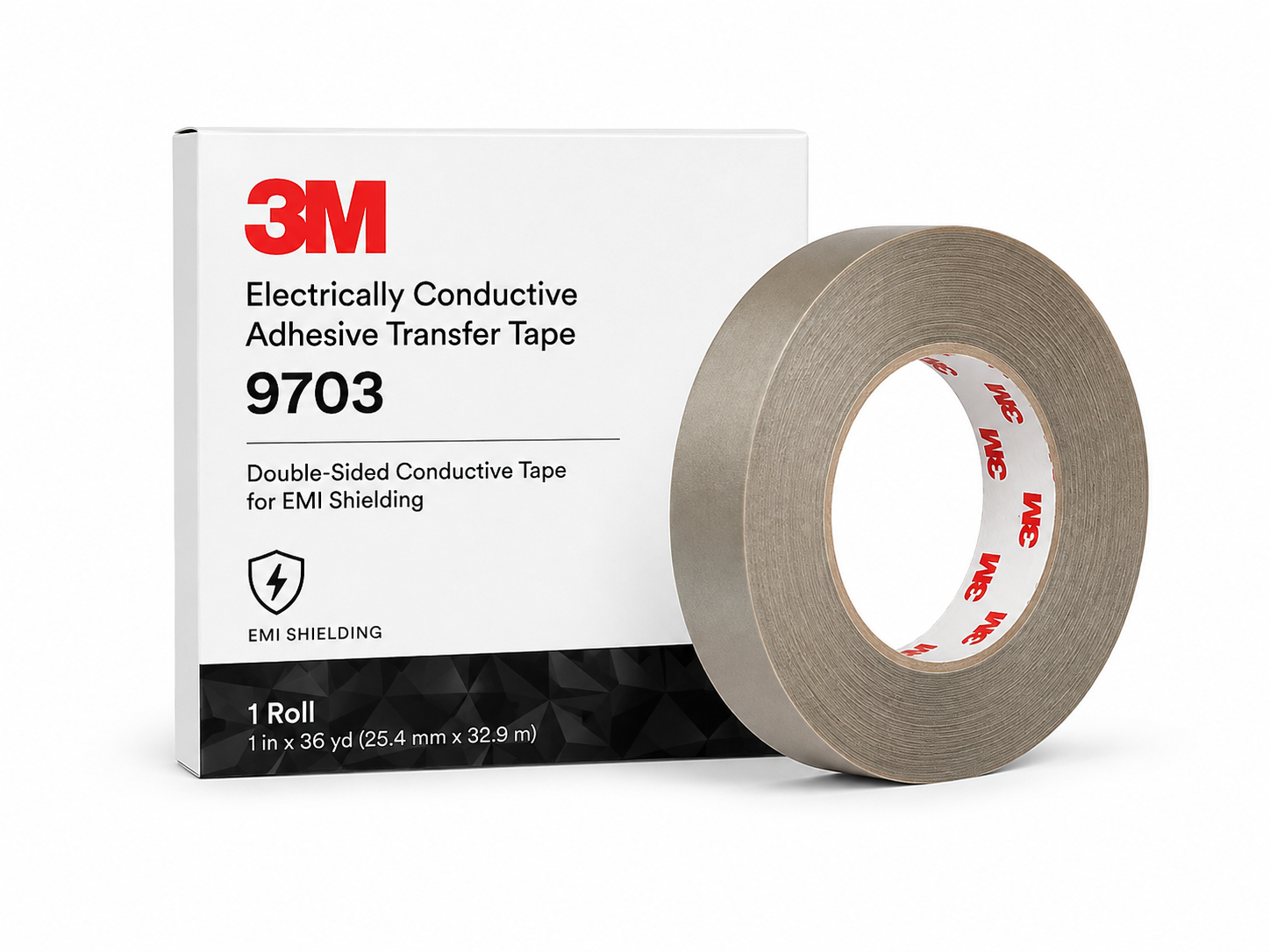
Conductive Tapes
Helpful for thin-profile shielding, grounding and bondline continuity where die-cuttable, pressure-applied materials simplify assembly.
Integrated EMI Design
The best result comes from matching material type to enclosure design, contact geometry, assembly method, frequency range and environmental exposure.
Frequently Asked Questions
Is an electrically conductive material automatically a good EMI shield?
Not automatically. Bulk conductivity helps, but shielding effectiveness also depends on bondline continuity, frequency range, enclosure design, gap management and grounding strategy.
When is conductive adhesive preferred over conductive tape?
Conductive adhesive is often preferred when the interface requires a dispensed bondline, sealing, local repair or irregular geometry. Conductive tape is often preferred for thin, fast-applied shielding or grounding interfaces.
Why does contact geometry matter?
Small contact pads, sharp corners, wide gaps or uneven surfaces can change resistance and shielding continuity. The material needs to be selected for the actual physical interface, not just the target conductivity value.
Do these products imply avionics qualification by themselves?
No. Program-level suitability depends on the exact substrate, design, test method, process specification and qualification requirement. The page is intended to guide material selection, not replace application-specific validation.
Need Help Narrowing EMI Materials for Avionics Assemblies?
Krayden can help compare conductive adhesives and tapes around grounding path, shielding goal, substrate, cure profile, assembly method and environmental exposure.
Quick Reference