
Control Heat, Ensure Performance
Passive Cooling for Aircraft Systems
-
Home

-
Aerospace
-
Thermal Control
- Engine & Landing Gear Thermal Protection
Engine & Landing Gear Thermal Protection
Engine & Landing Gear Thermal Protection
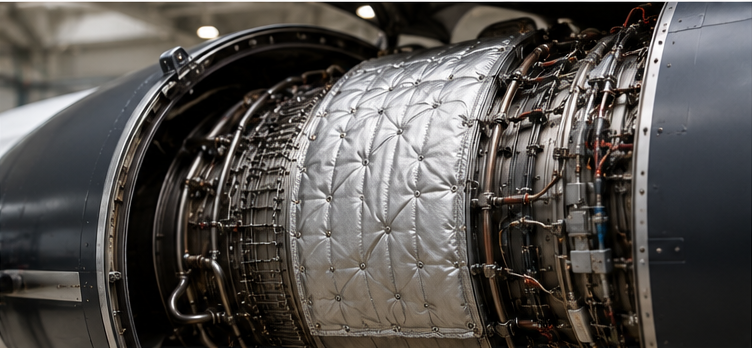
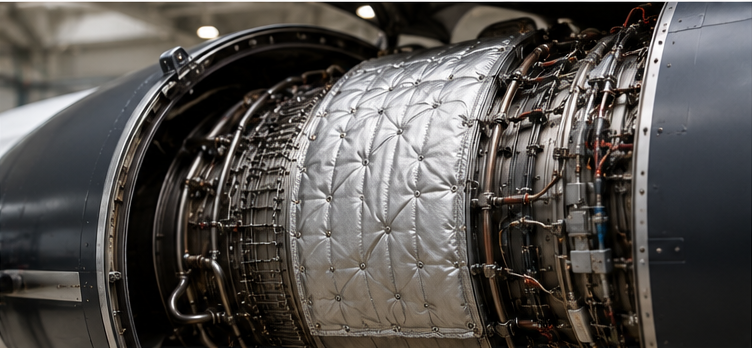
Engine compartments, nacelle-adjacent systems, landing gear, braking areas, and nearby wiring can experience radiant heat, hot surfaces, fluid exposure, vibration, and rapid temperature cycling far beyond the conditions found inside avionics bays.
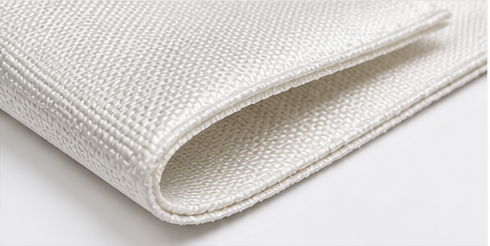
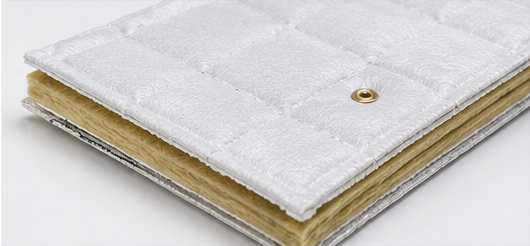
In these areas, thermal control often means blocking or tolerating heat rather than simply conducting it away. Lightweight ceramic textiles, fire barriers, insulation systems, and high-temperature sealing materials help protect electrical, hydraulic, sensor, and structural systems located near concentrated heat sources.
Where Materials Are Used
Ceramic textiles and insulation help protect adjacent structures from flame and extreme temperatures.
Heat-resistant materials limit exposure around sensors, monitoring electronics, and wiring.
Thermal shielding limits radiant heat transfer into nearby systems.
Materials may protect wiring, sensors, and hydraulic components exposed to braking heat.
High-temperature barriers help isolate components from transient thermal loads.
Ceramic sleeves and textiles can provide lightweight thermal protection around harnesses.
Key Requirements
Materials must survive the actual radiant and contact temperatures in the installation.
Important around engine fire zones and adjacent systems.
Aerospace shielding must limit added mass wherever possible.
Textiles and sleeves must conform around complex shapes and moving systems.
Materials need to remain secure under repeated mechanical loading.
Exposure to oils, hydraulic fluids, and environmental contaminants may govern selection.
Featured Products
Frequently Asked Questions
Why not use a thermal pad near an engine?
TIMs are designed to move heat across interfaces. Engine-area protection often requires materials that block or tolerate extreme heat instead.
Why are ceramic textiles used?
They can provide very high temperature capability at relatively low weight and can conform around complex aircraft geometry.
What else matters besides temperature rating?
Flame exposure, vibration, fluid contact, installation method, thickness, and long-term aging all matter.
Can thermal and acoustic control be combined?
Yes. Some aircraft insulation systems are designed to manage both thermal and acoustic energy, depending on the zone and construction.
Need Help Protecting Hardware in a Severe Heat Zone?
Krayden can help compare thermal materials around heat load, gap size, electrical isolation, service temperature, vibration, and manufacturing method.
Quick Reference