

Strength Without the Weight
Bond and Seal Aerospace Structures
-
Home

-
Aerospace
-
Structures & Airframes
- Vacuum Bagging & Cure processes
Vacuum Bagging & Cure processes
Vacuum Bagging & Cure Processes
Vacuum bagging creates the controlled pressure environment used to consolidate composite laminates, remove trapped air and volatiles, manage excess resin, and maintain part geometry during cure.
The process combines temporary consumables such as bagging film, sealant tape, release film, breather and bleeder with permanent composite materials such as structural adhesive films and surfacing films that remain with the cured structure.
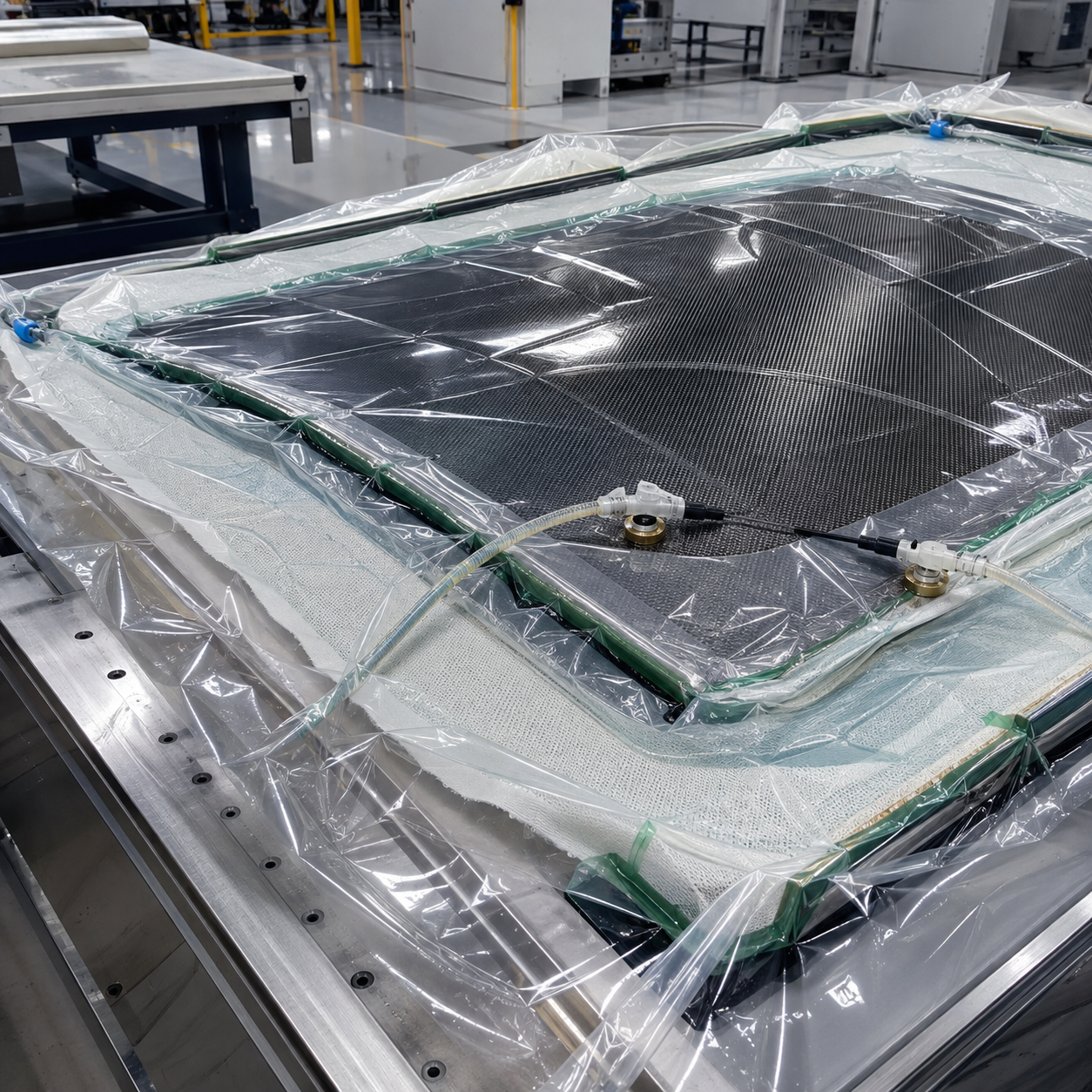
Where Materials Enter the Bagging & Cure Process
Bagging film and sealant tape create an airtight envelope so vacuum pressure can be maintained across the laminate.
Perforated release films, peel plies, breathers and bleeders help vent trapped air and control resin flow during consolidation.
Surfacing films can co-cure with the laminate to improve the finished composite surface and help manage porosity or micro-cracking.
Structural adhesive films may be integrated into sandwich construction or bonded assemblies and cured under heat and pressure with the part.
Release coatings on the tool surface reduce sticking and support repeatable demolding after the cure cycle.
Temperature, pressure, vacuum integrity, ramp rate and dwell time must remain within the material system's defined processing window.
Key Process Requirements
Bag and seal interfaces must remain leak-tight throughout evacuation and cure.
Every temporary consumable must tolerate the maximum tool and cure temperature without softening, tearing or transferring residue.
Bleeder and release configurations are selected to achieve the required laminate resin content rather than simply removing as much resin as possible.
Bagging materials must follow compound curves, corners and local geometry without bridging.
Release materials and mold coatings should separate cleanly without contaminating surfaces that will later be painted or bonded.
Consumable stack, vacuum routing and cure settings must be repeatable from part to part to minimize porosity and rework.
Featured Cure-Support Materials
The Henkel and 3M products below are permanent or tool-side materials that support composite cure. Core disposable bagging consumables such as bagging films, breathers, bleeders and sealant tapes should be sourced from the applicable approved consumables portfolio rather than being misrepresented as products from these suppliers.
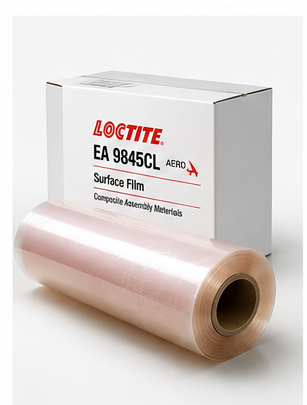
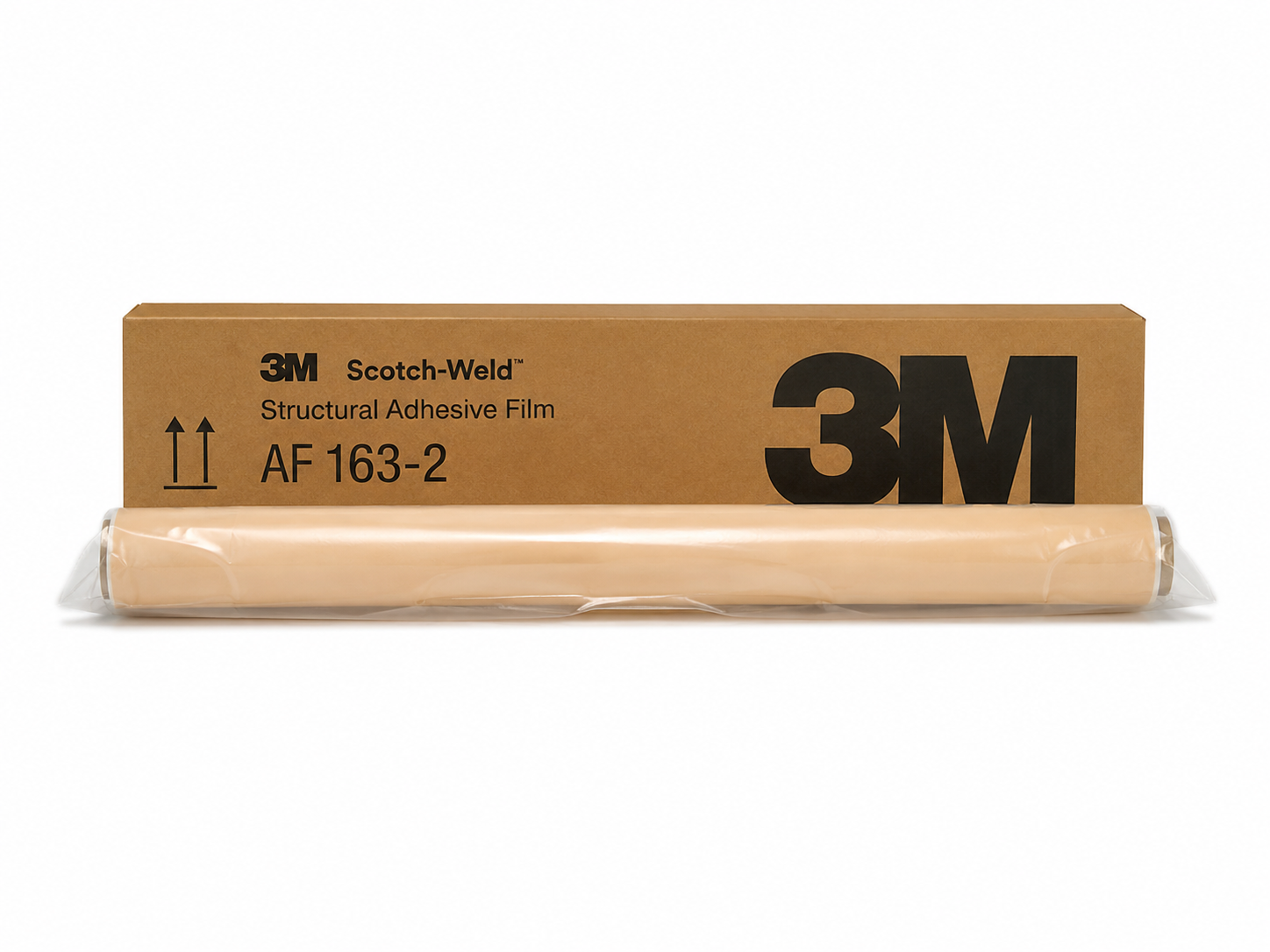
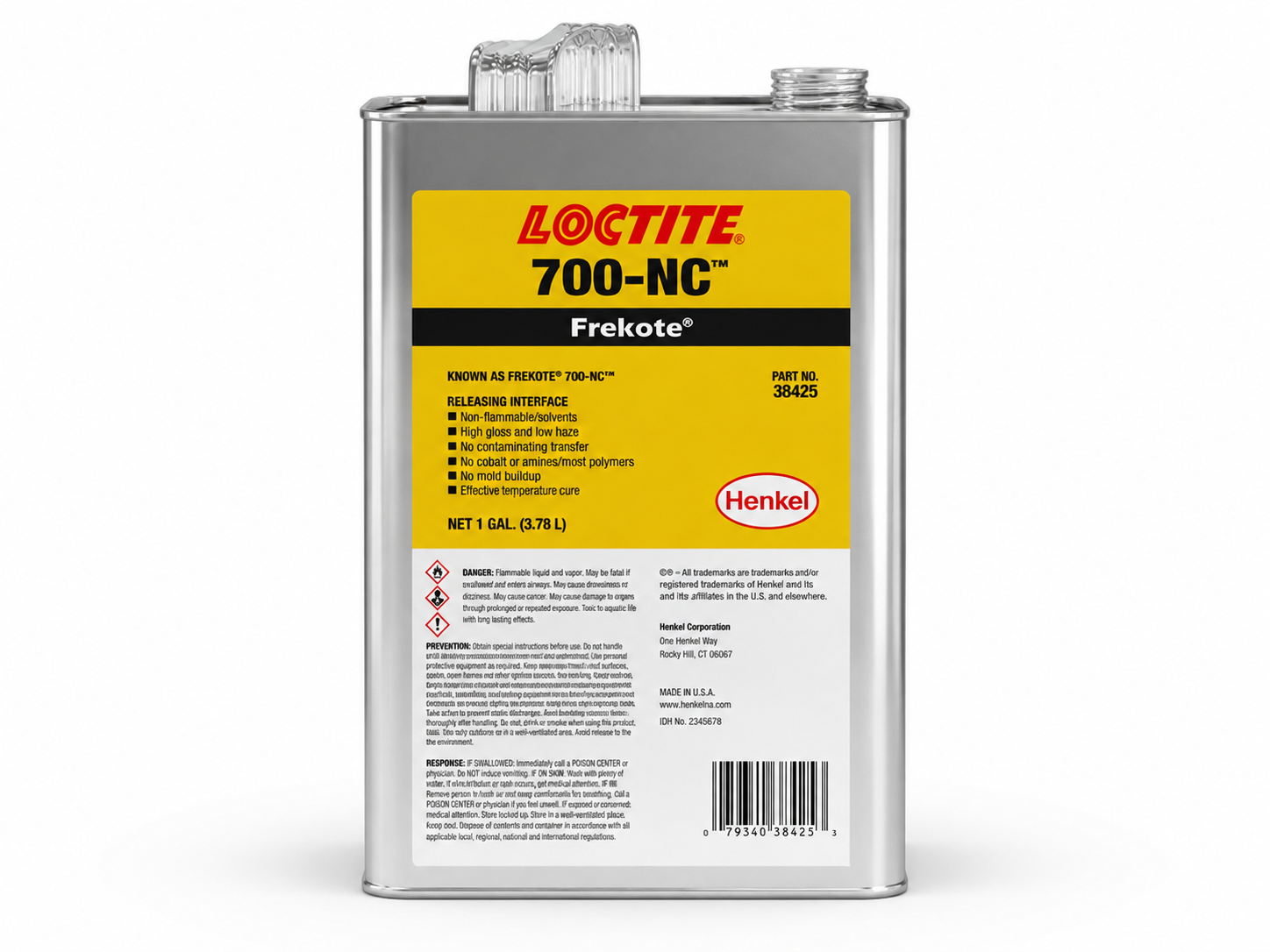
Supplier Role in This Process
Henkel
Composite surfacing films and Frekote release technologies support cured surface quality and tool-side release within composite manufacturing.
3M
Structural adhesive films can be incorporated into bonded sandwich and composite structures that cure under controlled temperature and pressure.
Bagging Consumables
Bagging films, peel plies, release films, breathers, bleeders and sealant tapes should be matched to the cure temperature and approved process specification from the appropriate consumables supplier.
Frequently Asked Questions
Is a surfacing film the same thing as release film?
No. A surfacing film becomes part of the cured composite surface. Release film is a temporary process consumable intended to separate the laminate from breather or other bagging materials and is removed after cure.
Why is the breather layer needed?
The breather provides a continuous path for air and gases to reach the vacuum port while also helping distribute vacuum pressure across the bag.
Can one bagging film be used for every cure cycle?
No. Film chemistry, thickness, elongation and maximum-use temperature have to match the part geometry and cure profile. A film suitable for a lower-temperature oven cure may not be appropriate for a higher-temperature autoclave cycle.
Does maximum vacuum always produce the best laminate?
Not by itself. Vacuum level is one part of a controlled process that also includes resin system, layup, bleeder configuration, pressure, temperature ramp and dwell. The approved process specification governs the cure.
Need Help Building a Repeatable Composite Cure Stack?
Krayden can help align permanent composite materials and process consumables with cure temperature, geometry, surface-quality and downstream bonding requirements.
Quick Reference