
Engineered for Thermal Extremes
Reliable Materials for Jet & Rocket Systems
-
Home

-
Aerospace
-
Propulsion Systems
- Corrosion Protection & Surface Treatments
Corrosion Protection & Surface Treatments
Corrosion Protection & Surface Treatments
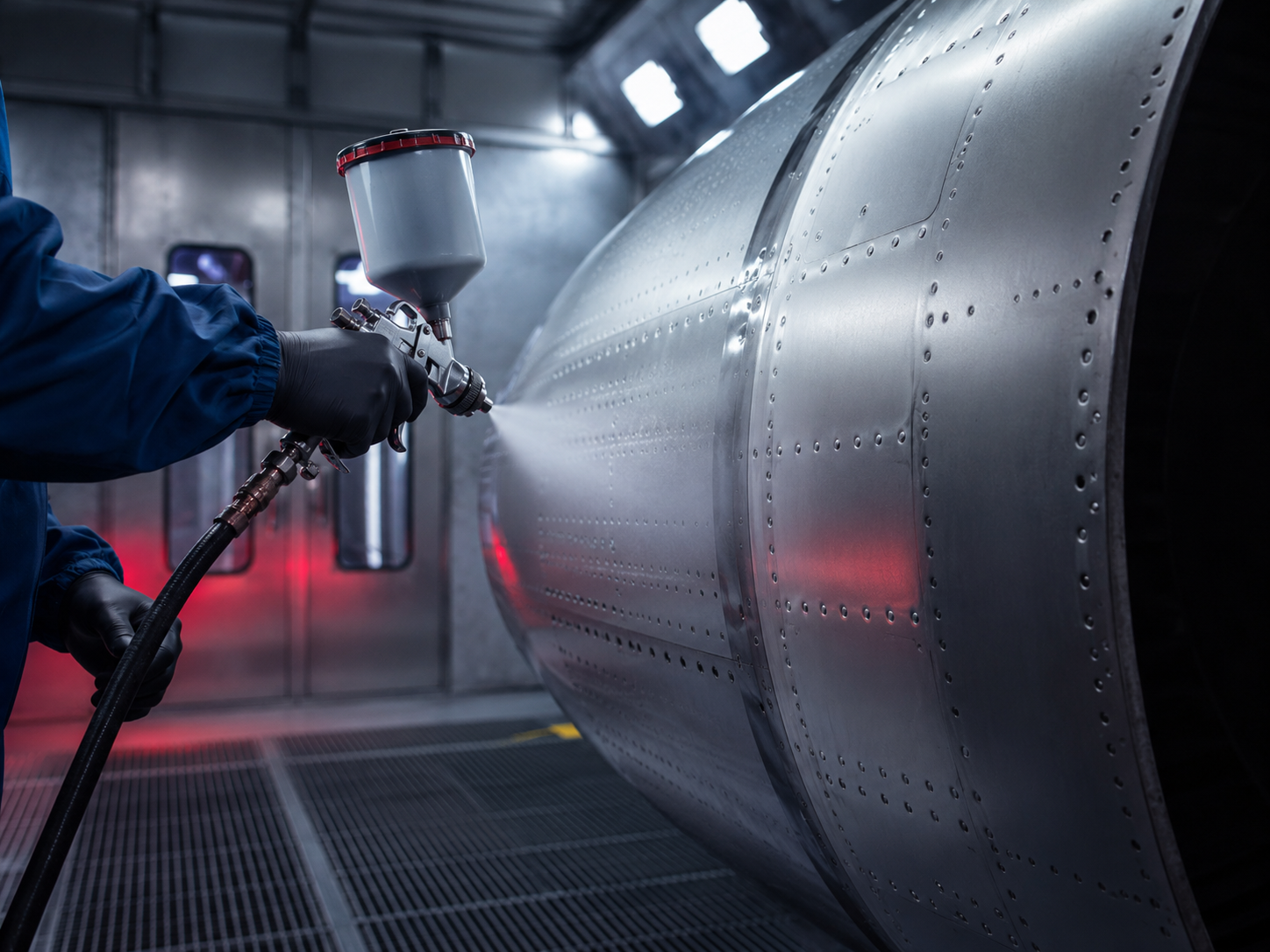
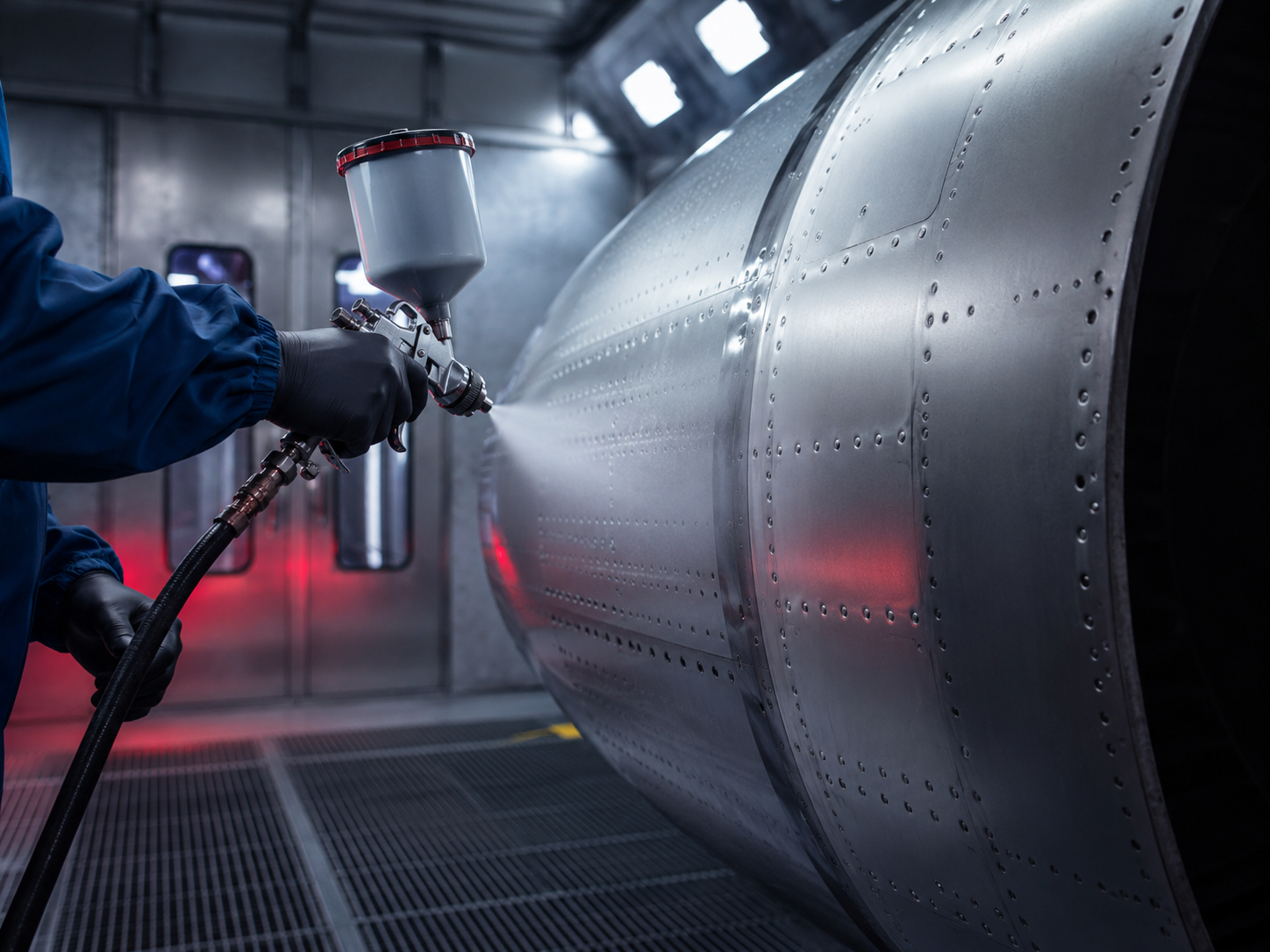
Engine and nacelle metal components run through a punishing combination of high heat, moisture cycling, and exposure to de-icing chemicals and exhaust byproducts, conditions that accelerate corrosion on unprotected aluminum and steel. Conversion coatings and corrosion-inhibiting primers form the first line of defense, both protecting the bare metal directly and preparing the surface for whatever bonding or topcoat comes next.
This page covers conversion coatings and structural bonding primers used to protect engine and nacelle metal components from corrosion.
Where This Is Used
Chromate conversion coatings applied to bare aluminum engine and nacelle components for direct corrosion protection.
Corrosion-inhibiting structural adhesive primers that protect prepared surfaces prior to bonding while promoting adhesive wet-out.
Surface treatments that improve paint and topcoat adhesion in addition to their corrosion-protection function.
Selection Factors
Whether the surface needs a standalone corrosion-protective coating or a primer specifically formulated to also support a structural bond.
Whether the program specification calls for a traditional chromate system or a non-chromated corrosion-inhibiting alternative.
Spray, brush, or roller application, and whether water-borne or solvent-based chemistry fits the shop's process and VOC requirements.
Ambient dry-to-handle time versus a full heat-cure bake cycle, and how that fits the shop's production flow.
Confirmed performance on the specific aluminum alloy or other substrate used in the actual component.
Specific approvals such as MIL-C-5541 or platform-level bonding specifications confirmed for the program in question.
Frequently Asked Questions
What's the difference between a conversion coating and a bonding primer?
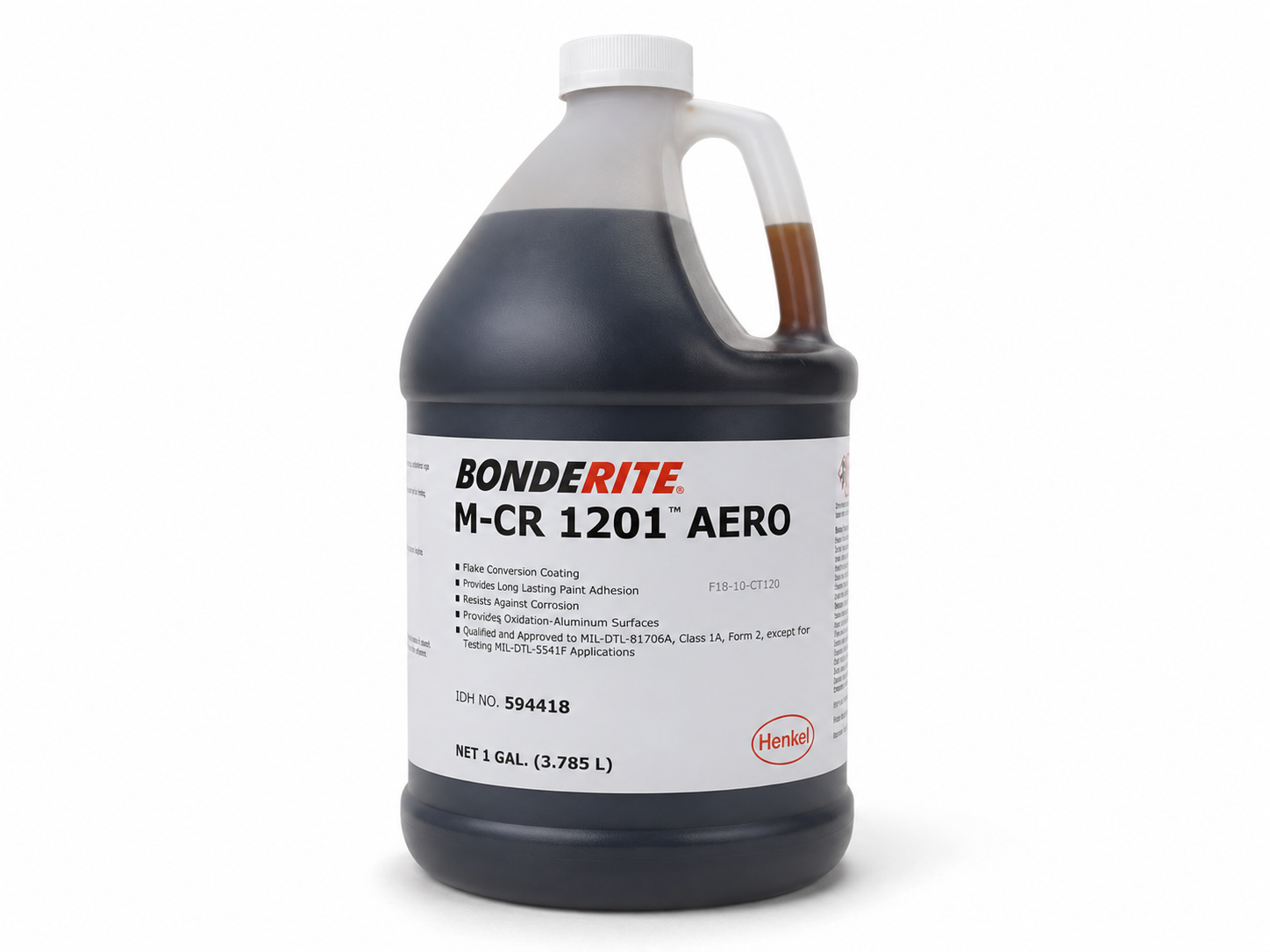
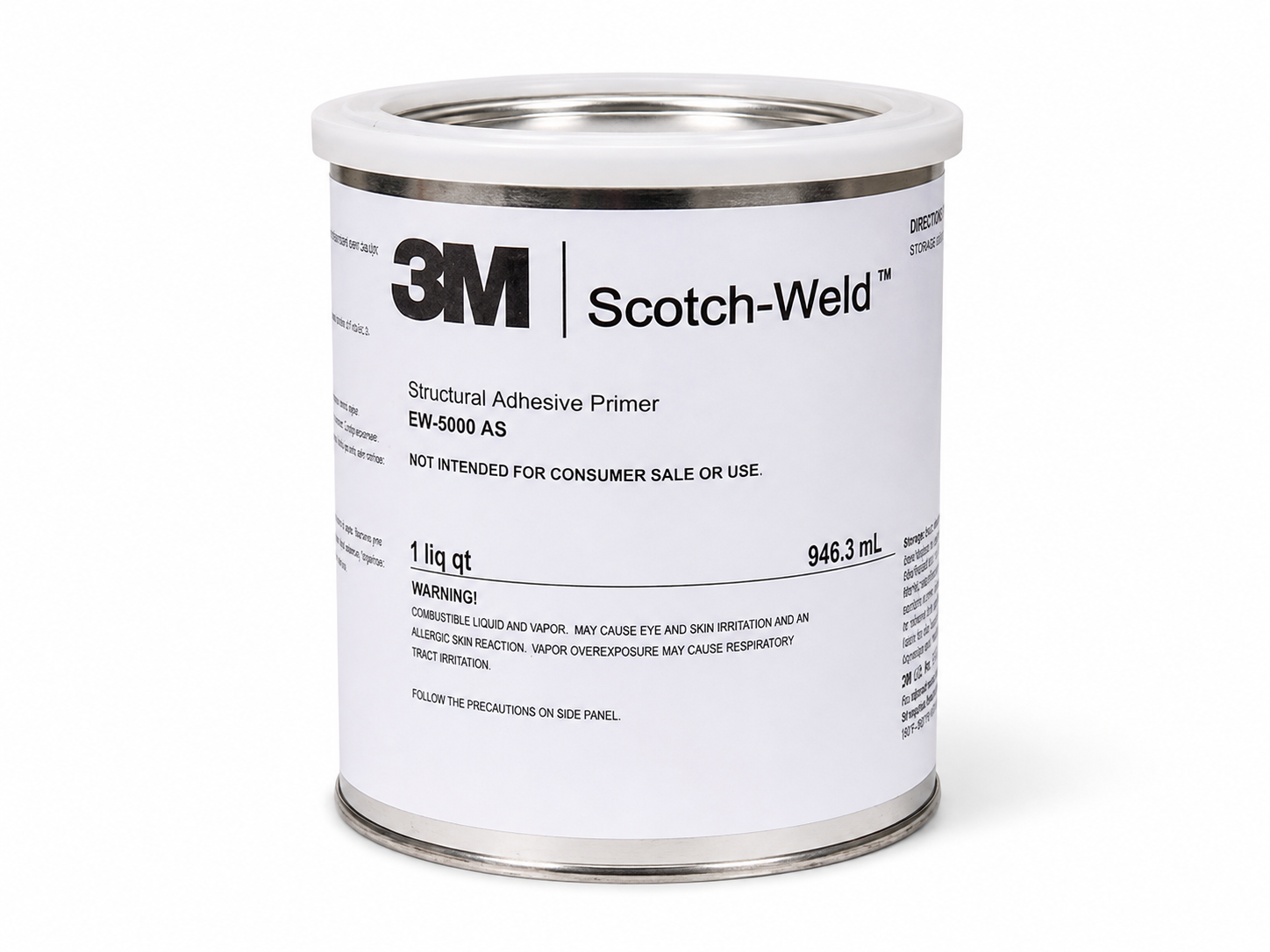
A conversion coating like Bonderite M-CR 1201 AERO chemically transforms the surface of the base metal itself to protect it directly, and is typically used whether or not the part will be bonded afterward. A structural adhesive primer like EW-5000AS is applied over a prepared surface specifically to protect it prior to bonding and to promote adhesive wet-out; it's a prep step for the bonding process rather than a general-purpose corrosion coating on its own.
Why would a shop choose a non-chromated primer over a traditional chromate system?
Non-chromated systems like EW-5000AS are typically chosen to reduce chromate use in the shop, whether for regulatory, environmental, or worker-safety reasons, while still meeting the corrosion-inhibition performance the process calls for. The specific platform's bonding specification should be checked, since some programs still call out chromate systems by name.
Can a part be handled before the primer's full bake cycle is complete?
Some water-borne primers, including EW-5000AS, are formulated to dry at ambient temperature to a handleable state before the full heat-cure bake cycle, which can improve shop flow compared to primers that require the bake cycle before any handling. This should be confirmed against the specific product's datasheet rather than assumed across all primer chemistries.
Are these products qualified to specific aerospace specifications?
Bonderite M-CR 1201 AERO is documented by the manufacturer as qualified to MIL-C-5541, and EW-5000AS is documented against BMS 5-101 and BMS 5-129 among other customer specs. Current certification status and any platform-specific approvals should still be confirmed for the exact grade in question. Contact the technical team for documentation.
Do you provide support for corrosion protection material selection?
Yes. The Krayden technical team works directly with engineers on conversion coating and primer selection, datasheets, and application support for new production and repair work.
Need Help Selecting a Corrosion Protection System?
Selection depends on the substrate, whether the surface will be bonded afterward, and any applicable specification requirements. The Krayden technical team provides material selection support, datasheets, and application guidance across conversion coatings and bonding primers.
Corrosion Protection – Quick Reference