

Hot Melts
EVA, PUR, APAO, PA, PSA, and Polyolefins

Hot Melts
Hot melt adhesive (HMA) is a 100% solid, solvent-free thermoplastic or thermosetting polymer system. Unlike traditional water-borne or solvent-based adhesives that rely on the slow evaporation of a carrier fluid to build bond strength, HMAs rely entirely on thermodynamic phase transitions.
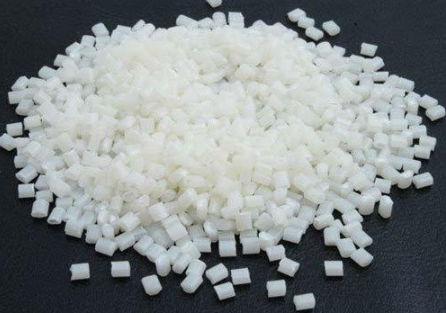
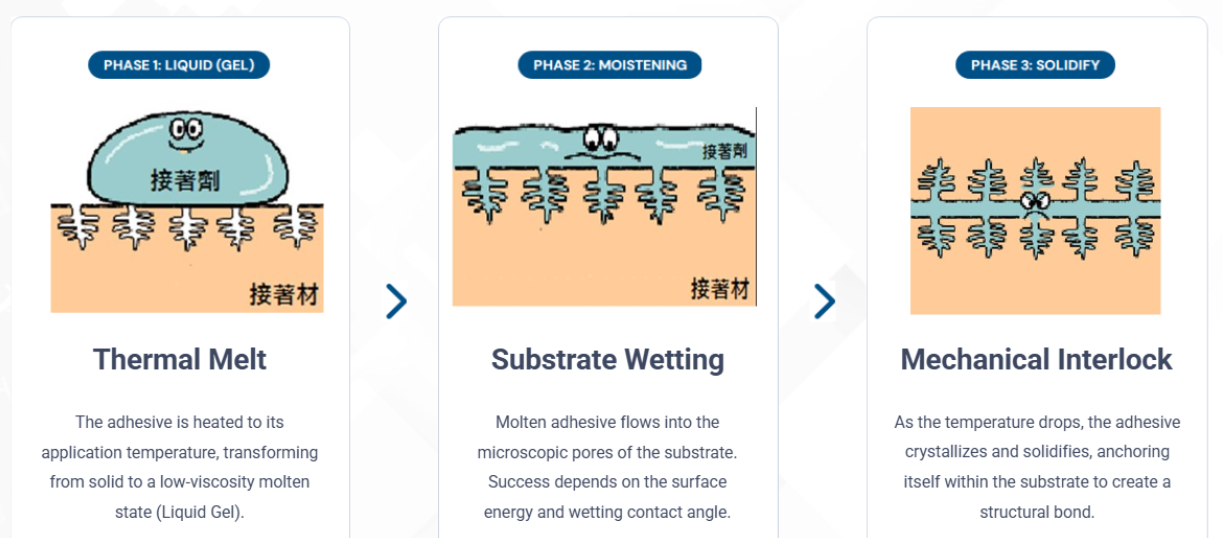
At room temperature, the adhesive is a solid, tack-free polymer (often supplied in pellets, pillows, or blocks). When heated above its softening point (typically between 120°C and 200°C), it undergoes a phase change into a low-viscosity, flowable fluid. In this melt phase, the adhesive intimately wets out the micro-roughness of the substrate. As the heat rapidly dissipates into the substrates and surrounding air, the polymer matrix cools, crystallizes, and instantly locks the assembly together with immense cohesive strength
-


3M™ Hot Melt Adhesive 3748 V0
- Excellent adhesion
- Good electrical properties
- Non-corrosive to metal
- 2 weeks
-

3M™ Hot Melt Adhesive 3762LM
- 100% solids, no VOCs
- Easy to use
- Fast-setting adhesive obtains strength in seconds
- 2 weeks
Frequently Asked Questions
Q: How does ambient humidity impact the open time of a PUR hot melt?
A: Open time is strictly governed by thermodynamics (the cooling rate of the polymer mass), so humidity has minimal effect on the open time or physical set time. However, the secondary cross-linking kinetic (the chemical cure) is entirely dependent on absolute humidity. In highly arid environments (e.g., winter manufacturing in the Midwest), the time required for PUR to achieve ultimate cross-link density can double or triple.
Q: Why does PUR equipment require constant purging, whereas EVA tanks do not?
A: Because PUR is moisture-reactive. If left dormant at elevated temperatures, or if ambient moisture infiltrates the melt tank or hoses, the isocyanate groups will cross-link inside the equipment, turning the fluid into an irreversible solid rock. Flushing the system with an inert, non-reactive purging compound (often an EVA or specialized wax) displaces the PUR and neutralizes residual $-\text{NCO}$ groups before the equipment is shut down.
Q: What is the physical mechanism behind "stringing" or "tailing" at the dispensing nozzle, and how is it corrected?
A: Stringing is a failure of the polymer to cleanly shear and snap off after the dispensing valve closes. It is governed by the polymer's molecular weight distribution (MWD) and extensional rheology. Polymers with ultra-high-molecular-weight fractions retain excessive elastic memory. If lowering the viscosity (via a slight temperature increase) or increasing nozzle shear does not fix it, the formulation is often to blame. Metallocene polymers (mPOs) virtually eliminate tailing because their single-site catalysis yields a precise, narrow MWD entirely lacking those ultra-long elastic chains.
Q: Can I increase the application temperature to reduce the viscosity of a high-molecular-weight PUR?
A: Only within tight margins. While all HMAs exhibit pseudo-plastic thinning at higher temperatures, exceeding the manufacturer's recommended pot temperature (usually maxing out around 140°C–150°C for PUR) accelerates thermal degradation and premature cross-linking. Instead of drastically raising the temperature, engineers should utilize heated hoses and precisely calibrated gear pumps to manage high-viscosity fluids.
Learn More
Hot Melt Adhesives – Chemistry & Technology Overview
Understanding the polymer science behind thermoplastic and reactive hot melt systems
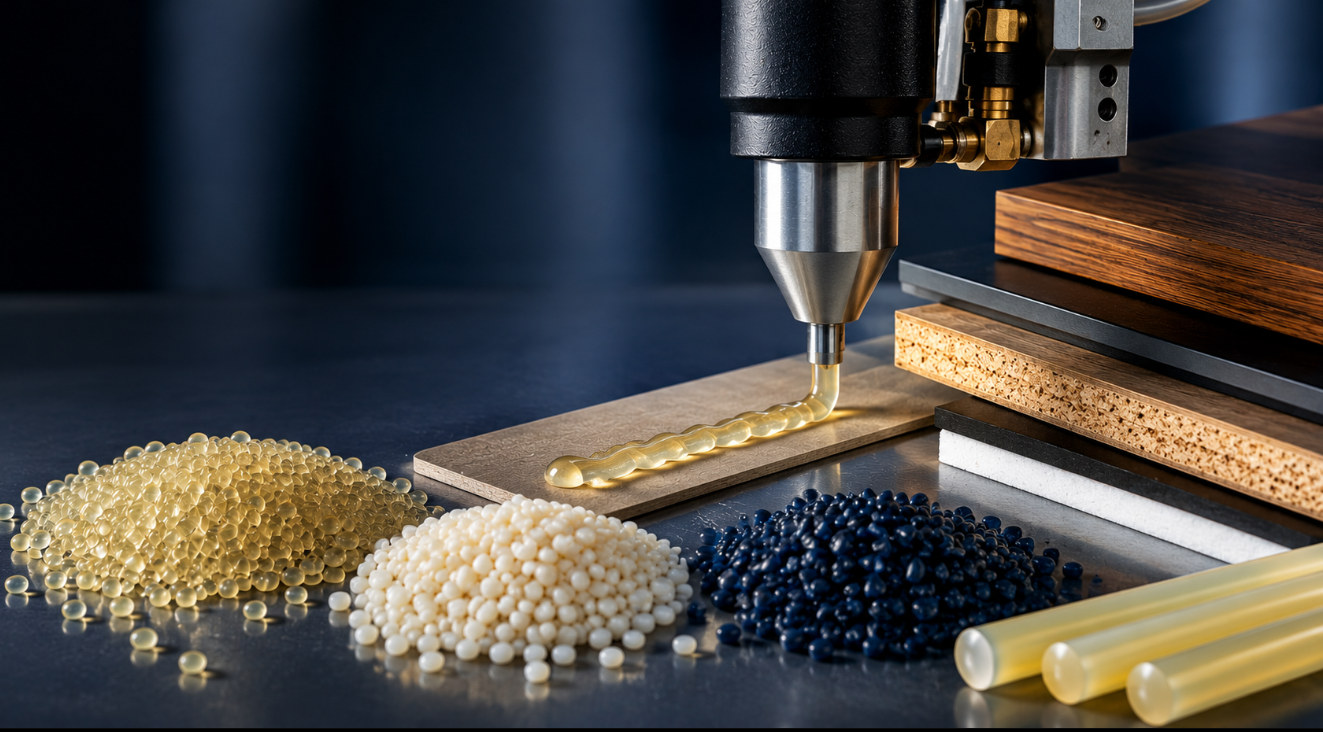
Hot melt adhesives (HMAs) are 100% solid systems applied in the molten state that form bonds upon cooling—eliminating the solvents, cure times, and material waste associated with liquid adhesives. The performance characteristics of any hot melt are determined almost entirely by its polymer backbone, which governs open time, set speed, temperature resistance, flexibility, and substrate compatibility.
The hot melt category divides into two fundamentally different system types: traditional thermoplastic HMAs, which rely on reversible physical phase changes, and polyurethane reactive (PUR) hot melts, which undergo an irreversible moisture-cure crosslinking reaction after application. Selecting between these systems, and between chemistries within each group, is a materials engineering decision with direct consequences for end-product durability, process throughput, and cost.
This page maps the primary hot melt chemistries to their polymer engineering rationale, explains the curing kinetics that differentiate thermoplastic from reactive systems, and guides selection by industry application.
Strength develops through a physical phase change as polymer chains re-entangle during cooling. Full bond strength is achieved once the adhesive returns to ambient temperature. Because the bond remains thermoplastic, reheating above its softening point allows it to remelt and be reworked.
EVA • mPO • APAO • SBC • Polyamide
PUR adhesives cure through a two-stage mechanism. Cooling provides immediate green strength for handling, while ambient moisture gradually initiates irreversible crosslinking over 24–72 hours. Once fully cured, the adhesive becomes a thermoset and cannot be remelted.
PUR (Reactive Isocyanate Prepolymer)
Traditional Thermoplastic Hot Melt Adhesives
Physical phase-change bonding - four primary polymer chemistries, each engineered for distinct performance requirements
Thermoplastic HMAs solidify by cooling below their glass transition temperature (Tg) or through crystallization. The bond achieves 100% of its final strength the moment it cools to ambient temperature. Because no chemical reaction occurs, the bond remains reversible if reheated above the polymer's softening point. Chemistry selection within this group is driven by required open time, substrate polarity, temperature resistance, and processing method.
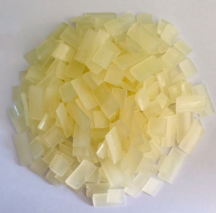
Ethylene Vinyl Acetate (EVA)
The foundational chemistry of the packaging and woodworking industries. EVA performance is governed by the ratio of vinyl acetate (VA) to ethylene content. Higher VA content increases chain polarity and flexibility, improving adhesion to polar substrates and reducing set temperature. Higher ethylene content produces a more crystalline structure with faster set times and higher cohesive strength - at the cost of adhesion range.
EVA remains the cost-performance standard for high-volume general industrial bonding where temperature resistance above 80-90 C is not required.
Higher VA = more flexible, broader adhesion. Higher ethylene = faster set, stronger crystalline cohesion. The ratio is the primary formulation lever.
Lowest raw material cost in the HMA range. Suitable for high-volume applications where temperature resistance requirements do not exceed approximately 80 C service.
Compatible with slot die, bead dispensing, and spray application. Available in stick, pellet, and block formats across a wide viscosity range.
Metallocene Polyolefins (mPO)
Metallocene catalysis produces polyolefins with a uniquely narrow molecular weight distribution (MWD) - a degree of polymer architecture control unavailable with conventional Ziegler-Natta catalysts. This narrow MWD creates a very sharp phase transition: mPO goes from a low-viscosity melt to a high-strength crystalline solid almost instantaneously upon cooling, giving sub-second green strength in high-speed automated lines.
The narrow MWD also yields superior thermal stability with significantly reduced charring and char deposits in applicator systems - a major operational advantage in continuous-run production. mPO adhesives have largely displaced EVA in demanding high-speed packaging and product assembly applications.
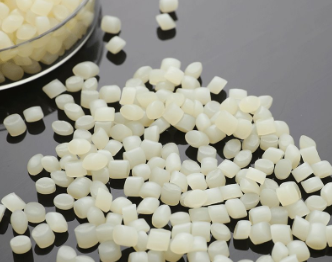
mPO vs EVA - Key Differences
| Property | mPO | EVA |
|---|---|---|
| Set Speed | Very fast (sub-second possible) | Moderate to fast |
| Thermal Stability | Superior - minimal charring | Moderate - char buildup over time |
| Temperature Resistance | Higher service temperature range | Limited (typically below 80 C) |
| Cost | Higher raw material cost | Lowest cost baseline |
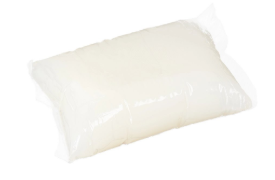
Amorphous Poly-Alpha-Olefins (APAO)
APAOs are synthesized using traditional Ziegler-Natta multi-site catalysts, which produce polymers with a broad molecular weight distribution and an amorphous (non-crystalline) microstructure. This amorphous nature is the defining performance characteristic: where mPO crystallizes sharply upon cooling, APAO cools gradually through a wide softening range.
This extended softening range translates directly into extended open time - a critical requirement for applications where the adhesive must remain tacky after dispensing, spanning the distance from nozzle to substrate in spray applications, or wetting out large, irregular surfaces before bonding occurs.
APAOs also provide excellent adhesion to low-surface-energy (LSE) plastics and exceptional low-temperature flexibility - properties that make them the preferred chemistry for hygiene product manufacturing, mattress assembly, and automotive acoustic insulation where broad-area spray dispensing is the process method.
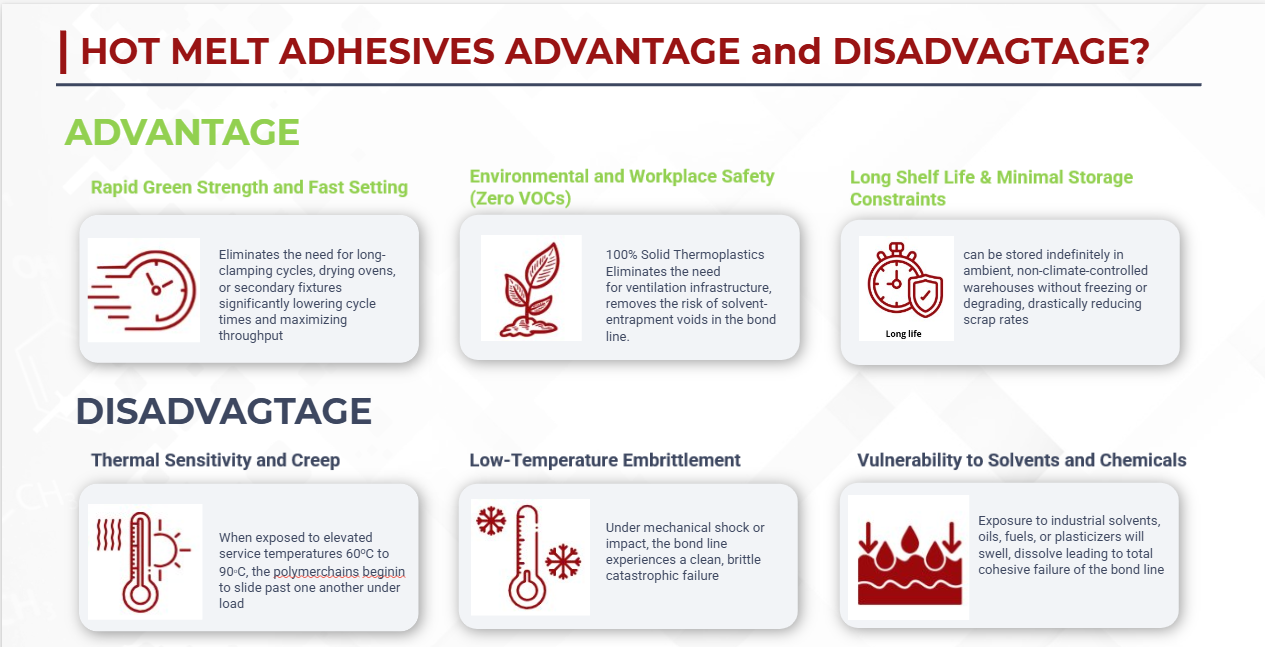
Thermoplastic HMA - Key Benefits & Drawbacks Summary
Curing Kinetics - Thermoplastic vs Reactive Systems
The most critical factor in process engineering is understanding how and when bond strength develops
Physical Phase Change
Strength development is purely thermodynamic. As heat dissipates into the substrates and surrounding air, polymer chains re-entangle and the adhesive solidifies. The bond achieves its full design strength immediately after cooling to ambient temperature.
If reheated above the softening point, the adhesive reliquefies and the bond loses strength. This reversibility provides excellent reworkability but also defines the maximum service temperature of the assembly.
Two-Stage Cure Kinetics
Physical Stage: The prepolymer cools and solidifies, rapidly developing green strength. Assemblies can be handled, machined, or packaged immediately without clamping, improving manufacturing throughput.
Chemical Stage: Residual isocyanate (NCO) groups react with ambient moisture over 24–72 hours, forming stable urea linkages and a permanently crosslinked network. Once cured, PUR behaves as an elastomeric thermoset and can no longer be remelted.
Polyurethane Reactive Hot Melts (PUR)
Bridging hot melt processing speed with structural adhesive performance - for applications where thermoplastic bonds fail under thermal or chemical stress
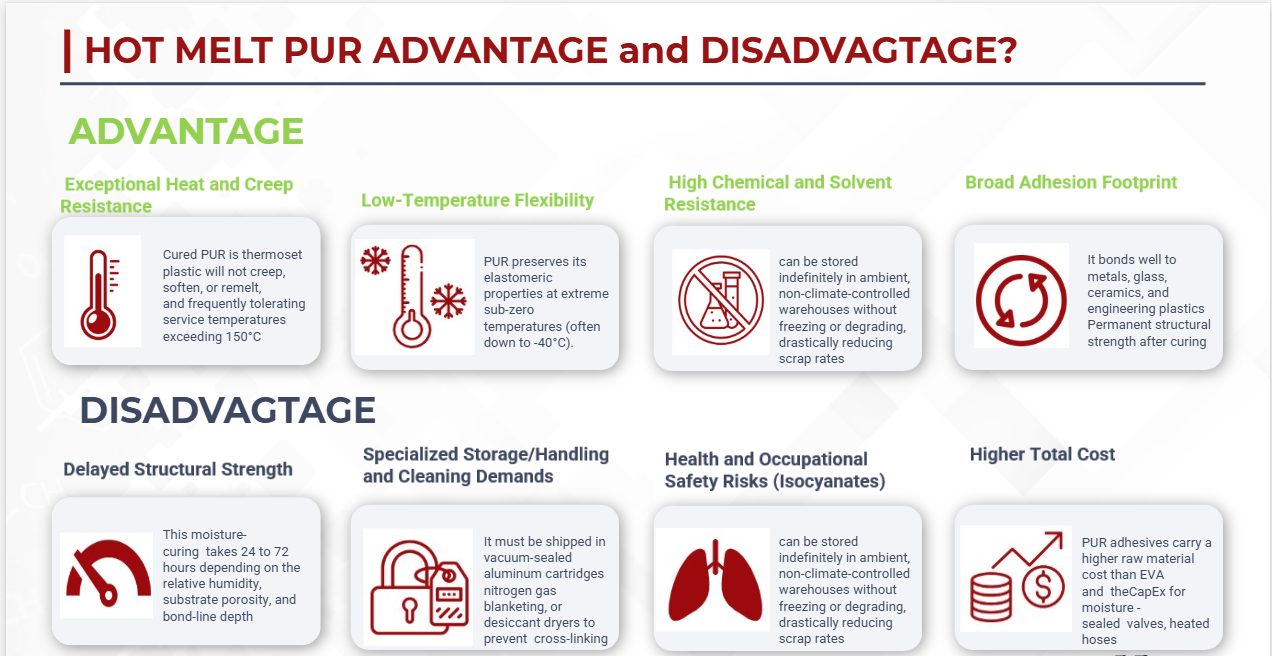
PUR adhesives occupy a unique position in the bonding landscape: they are solid at room temperature (enabling hot melt processing), but contain low-molecular-weight prepolymers with residual, unreacted isocyanate (NCO) groups that enable a post-application crosslinking reaction.
PURs are heated to a molten state (typically 110-130°C) and dispensed onto the substrate. As they cool, polymer chains rapidly crystallize, providing immediate green strength within seconds to minutes—allowing immediate handling without clamping. This distinguishes PUR from two-part reactive adhesives that require fixture time.
The secondary, slower chemical reaction then begins: NCO groups react with ambient moisture over 24-72 hours to form a permanently crosslinked thermoset network. Because of this secondary crosslinking, fully cured PUR adhesives cannot be remelted, and they exhibit extraordinary thermal resistance, solvent resistance, and creep resistance compared to any thermoplastic hot melt adhesive.
Key Process Note: PUR requires moisture-controlled storage and application conditions. Open cartridges or tanks must be protected from ambient humidity exposure prior to application, as premature NCO reaction reduces working viscosity and crosslink density.
Once moisture-cured, PUR cannot be remelted. Service temperature ceiling is determined by the crosslink network, not a softening point - enabling use in paint-bake cycles and high-heat environments impossible for EVA or mPO.
Physical crystallization on cooling delivers handling strength within seconds - no fixture time, no clamping required. Production throughput advantages match or exceed standard thermoplastic HMA systems.
Crosslinked urea network provides resistance to solvents, fuels, cleaning agents, and sustained static loads that would cause thermoplastic bonds to creep or fail over time.
Applications & Polymer Selection by Industry
The engineering rationale for chemistry selection in each major application segment
Automotive & Transportation
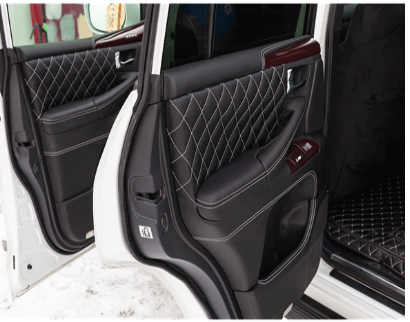
Automotive cabins experience severe and sustained thermal cycling—from sub-zero overnight temperatures to elevated in-cabin heat on summer days. Conventional thermoplastic hot melts such as EVA and mPO gradually soften under prolonged heat and static shear loading, making them susceptible to creep. Moisture-cured PUR adhesives form an irreversible thermoset elastomer that maintains structural integrity throughout these demanding operating conditions.
PUR has therefore become the preferred chemistry for automotive headliner bonding, interior trim attachment, seating foam assembly, acoustic insulation lamination, and other applications requiring long-term heat resistance, vibration damping, and durable structural performance.
Electronics – Low-Pressure Molding & PCB Encapsulation
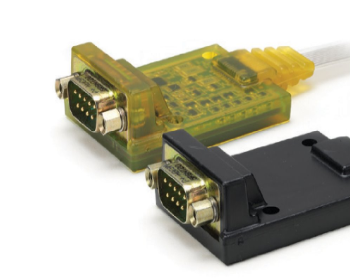
Low-Pressure Molding (LPM) uses polyamide (PA) hot melts for PCB encapsulation, sensor potting, and watertight connector overmolding. PA exhibits exceptionally low melt viscosity, enabling injection into aluminum mold cavities at ultra-low pressures (1.5–40 bar). The adhesive crystallizes within seconds, simultaneously functioning as both the protective encapsulant and the external housing while providing a watertight (IP67), flame-retardant (UL94 V-0) enclosure without high-pressure tooling.
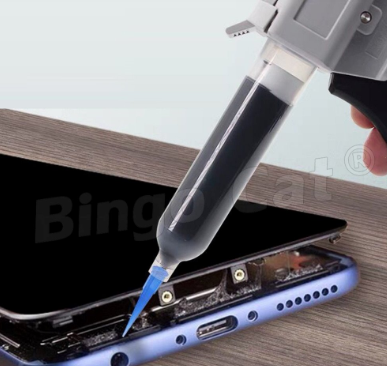
For micro-bonding and sealing of consumer electronics—including OLED displays, flexible circuits, and camera modules—PUR is the preferred chemistry. Its relatively low application temperature (100–110 °C) minimizes thermal distortion of thin plastic housings and protects heat-sensitive components. After curing, the elastomeric network absorbs vibration and impact while still permitting localized thermal rework, improving manufacturing yield and component recovery.
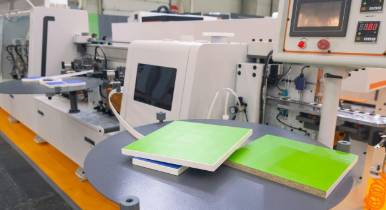
Structural Woodworking & Edge Banding
In environments exposed to moisture, elevated temperatures, and repeated cleaning cycles—such as kitchen cabinetry, bathroom vanities, and exterior furniture—the adhesive bond must resist steam, water ingress, and long-term environmental aging. Moisture-cured PUR adhesives form a permanently crosslinked thermoset network that penetrates and mechanically interlocks with the porous cellular structure of wood and engineered particleboard, delivering exceptional water resistance and virtually invisible edge-banding bond lines.
For interior furniture and other applications where moisture exposure is minimal, highly filled EVA hot melts containing calcium carbonate (CaCO₃) offer a cost-effective alternative. These formulations provide reliable adhesion, improved gap-filling capability, and efficient processing on porous wood-based substrates while maintaining excellent production throughput.
| Application | Recommended Chemistry | Rationale |
|---|---|---|
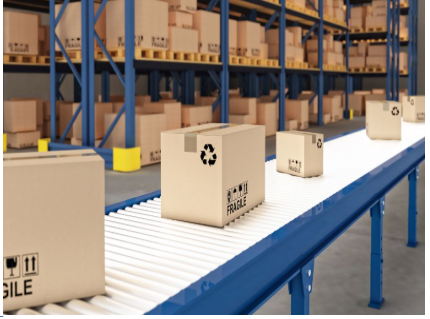
| High-speed packaging / case sealing | mPO (preferred), EVA (legacy/cost) | Sub-second set, thermal stability, no stringing |
| Automotive interior bonding | PUR | Thermoset after cure, thermal cycling resistance, no creep |
| PCB encapsulation / LPM | Polyamide (PA) | Low injection pressure, fast crystallization, IP67 / UL94 V-0 |
| Electronics micro-bonding & sealing | PUR (low-temp) | Low application temp, shock absorption, reworkable with heat |
| Edge banding (moisture-exposed) | PUR | Water resistance, invisible bond line, locks into wood cell structure |
| Edge banding (interior, dry) | Filled EVA | Cost-effective, gap filling in particleboard |
| Mattress / foam spray laminating | APAO | Extended open time, LSE adhesion, wide-web sprayability |
| Hygiene product PSA strips | SBC (HMPSA) | Permanent room-temperature tack, elasticity |
| High-temp industrial / LSE plastic bonding | Polyamide (PA) | Highest temp resistance, dielectric properties, plasticizer migration resistance |
Need Help Selecting the Right Hot Melt System?
Chemistry selection in hot melt adhesives depends on your substrate combination, required open time, service temperature, and production process. Our technical team provides product selection support, trial quantity sourcing, and application guidance across EVA, mPO, APAO, SBC, polyamide, and PUR systems.
Hot Melt Chemistry - Quick Reference