.png)
Engineered for Orbit
Space-Qualified Coatings and Adhesives

Space Systems
Space Systems
Spacecraft structures, electronics, and thermal systems operate in vacuum, under continuous radiation exposure, and through wide, repeated thermal cycling with no atmosphere to buffer the swing. Materials that outgas, embrittle, or degrade under these conditions can contaminate optics and sensors or fail outright, with no opportunity for in-flight repair.
Krayden supplies low-outgassing potting and encapsulation materials, structural bonding adhesives, and thermal fluids used across satellite structures, electronics, and thermal management systems.
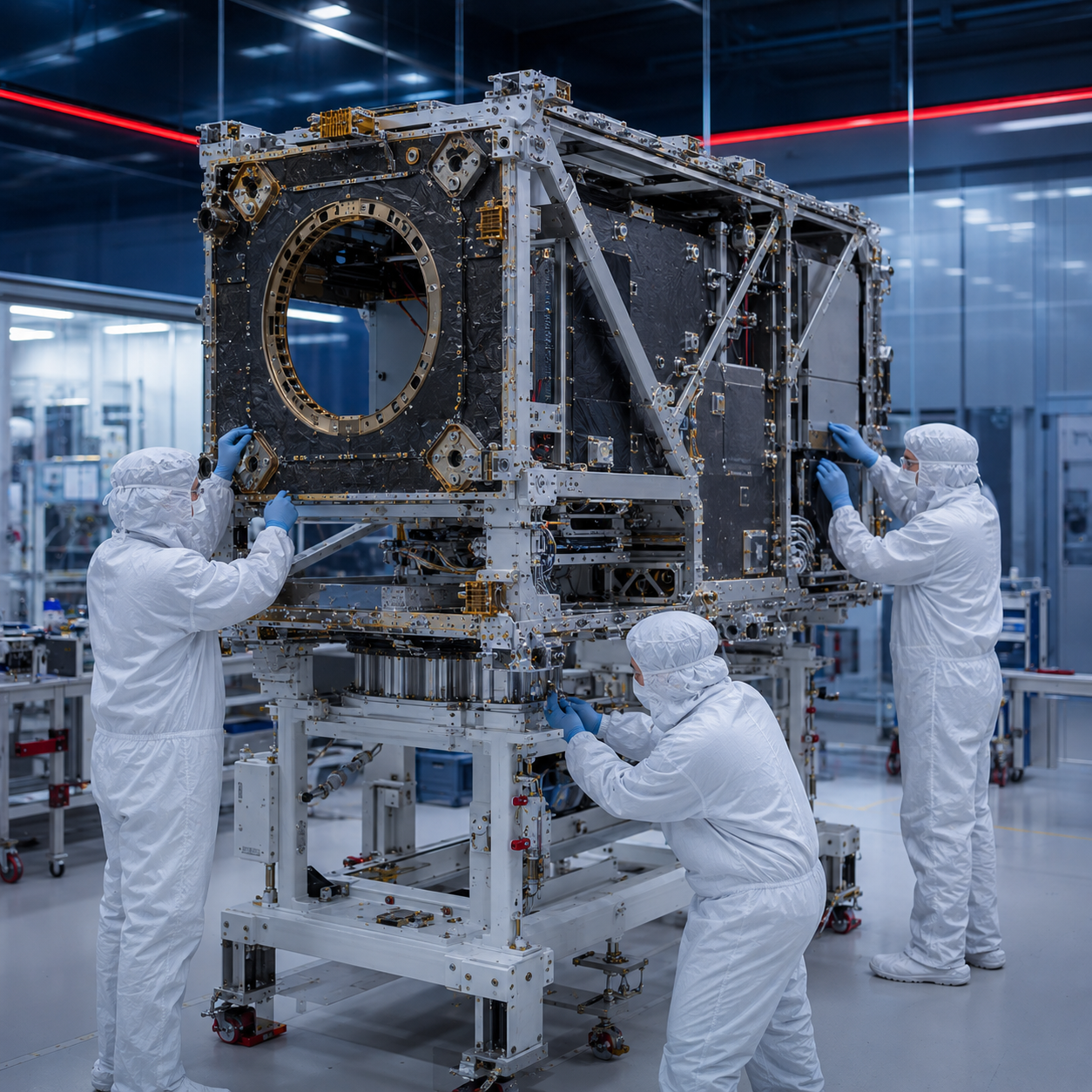
Where Materials Are Used in Space Systems
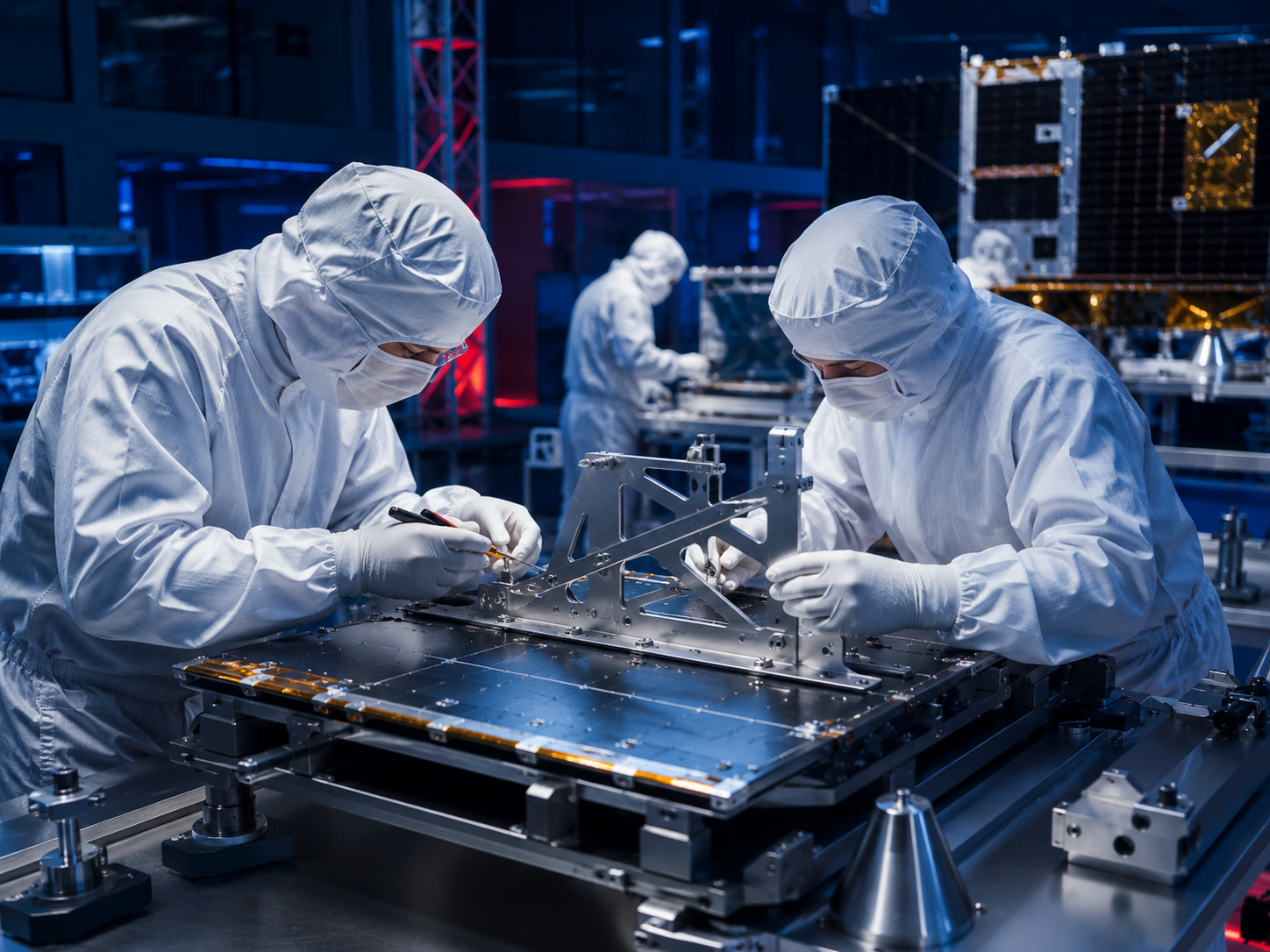
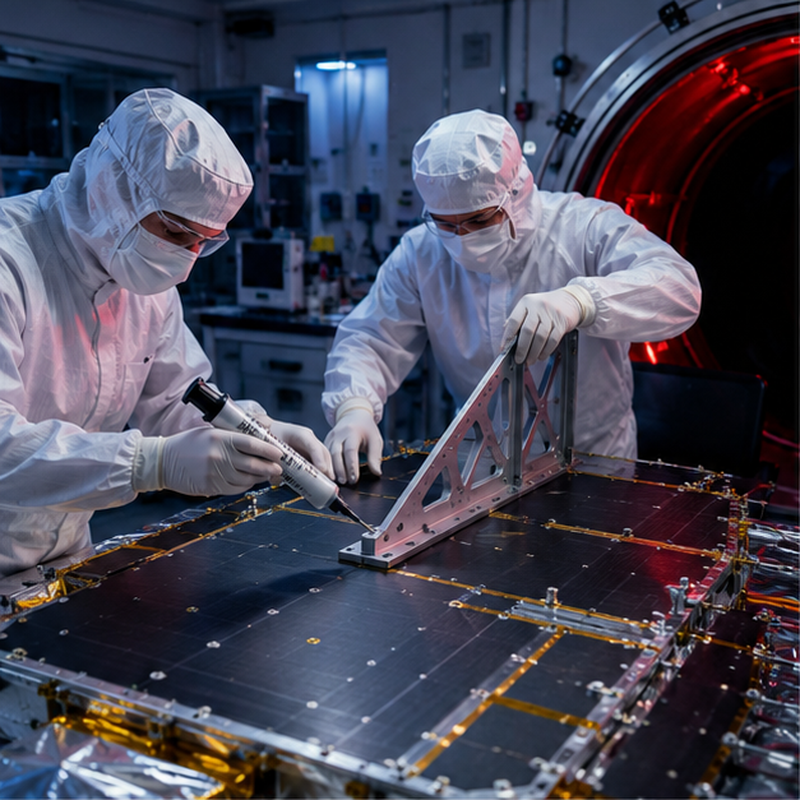
Structural adhesives used to bond composite and metallic panels, brackets, and substructure on the spacecraft bus.
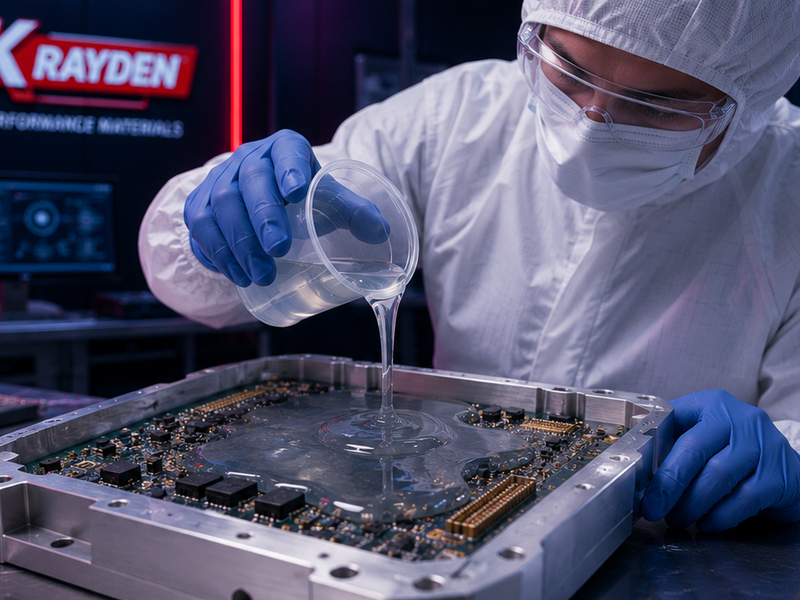
Low-outgassing potting and encapsulation materials used to protect flight electronics and payload modules from vacuum and radiation.
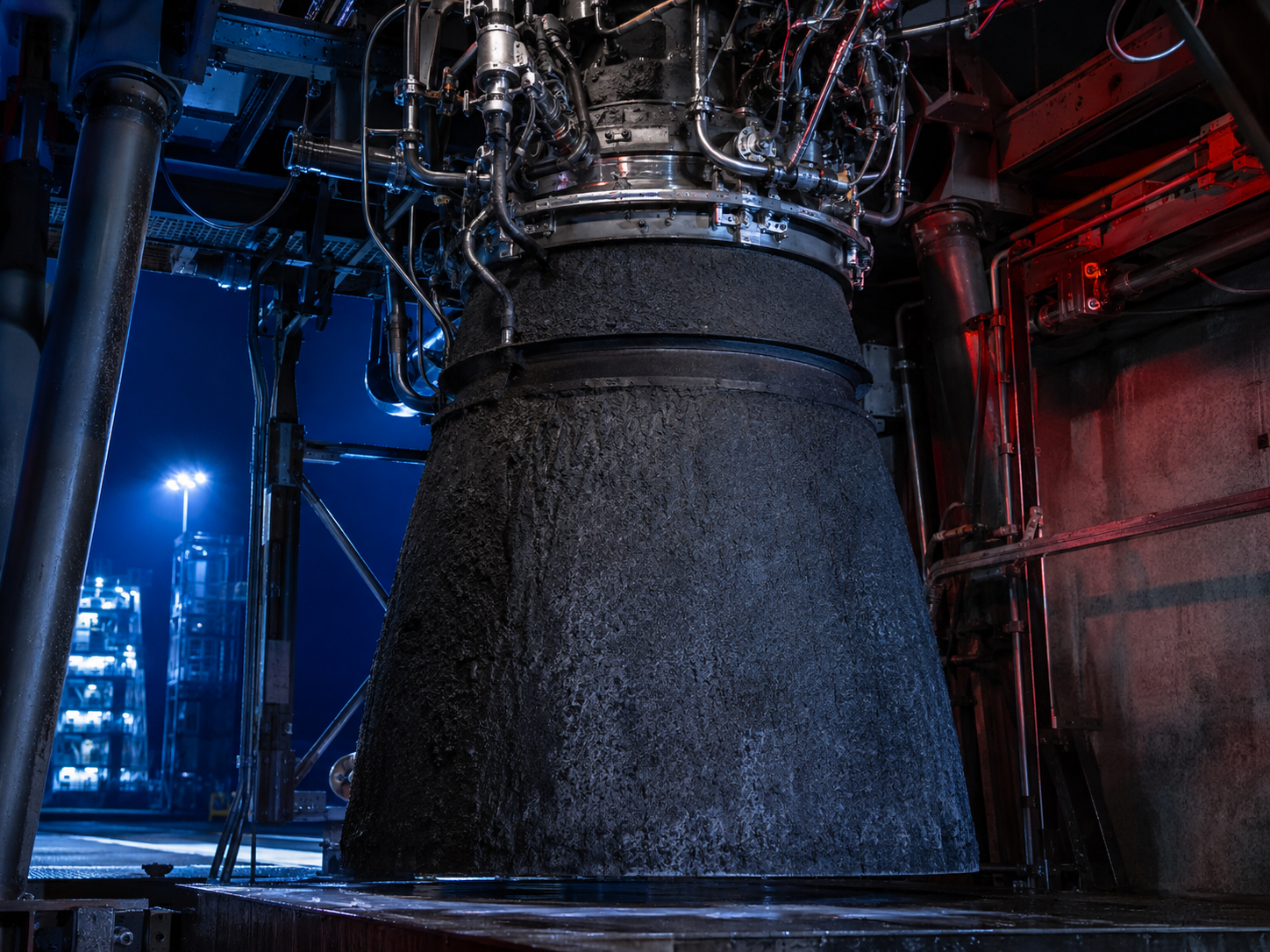
Low-outgassing silicone fluids and thermal materials used to move and reject heat in the absence of convective cooling.
Key Space Requirements
Low total mass loss (TML) and collected volatile condensable material (CVCM) so materials don't deposit vapor on optics or sensors.
Stable mechanical and electrical properties over the mission's expected total ionizing dose.
Retained adhesion and mechanical integrity through repeated extreme temperature swings without a service atmosphere.
Bond and potting integrity through the vibration and shock loads of launch, before the mission environment even begins.
Predictable aging behavior over mission durations that can run from months to well over a decade with no maintenance access.


Featured Supplier Spotlight
Frequently Asked Questions
What does "low outgassing" actually mean for a material?
In vacuum, some materials release volatile compounds that can travel and condense on nearby cold surfaces, including optics, sensors, and thermal control coatings. Low-outgassing materials are those tested and shown to have low total mass loss and low collected volatile condensable material under a standard vacuum test, which reduces the risk of contaminating sensitive spacecraft surfaces.
Is a material that works well in aircraft avionics automatically suitable for space?
Not necessarily. Aircraft avionics still operate within a pressurized or near-atmospheric environment with convective cooling available, while spacecraft hardware sits in hard vacuum with no airflow and higher radiation exposure. A material qualified for avionics use should be evaluated separately against outgassing, radiation, and thermal-cycling requirements before being specified for a space application.
Why do spacecraft materials need to handle both extreme heat and extreme cold?
Without an atmosphere to moderate temperature, a spacecraft surface in direct sunlight and the same surface in shadow can differ by well over a hundred degrees, and the transition between the two can happen repeatedly over a single orbit. Materials need to retain adhesion, dielectric properties, and mechanical integrity across that full swing, not just at a single design temperature.
Are these materials qualified to NASA or ESA outgassing standards?
Qualification varies by product, chemistry, and grade. Some materials in this category are formulated to meet outgassing standards commonly referenced in space hardware work, such as ASTM E595, but current certification status should be confirmed for the specific product and grade in question. Contact the technical team for documentation.
Do you provide support for space hardware material selection?
Yes. The Krayden technical team works directly with engineers on material selection, datasheets, and application support for satellite and space hardware programs.
Need Help Selecting Space-Grade Materials?
Selection depends on outgassing requirements, radiation exposure, thermal cycling range, and mission duration. The Krayden technical team provides material selection support, datasheets, and application guidance across structural bonding, low-outgassing encapsulation, and thermal fluids.
Space Systems – Quick Reference