.png)
Strength Without the Weight
Bond and Seal Aerospace Structures

Structures & Airframes
Structures & Airframes
Structures and airframes covers the materials used to bond, seal, and fabricate the primary structure of aircraft and defense platforms, from composite fuselage and wing sections through metal-to-composite joints, cabin interior structures, and the tooling used to produce composite parts.
Material selection at each stage affects strength, weight, thermal tolerance, and repeatability on the production line, whether the joint is carrying primary flight loads or holding a cabin sidewall panel in place.
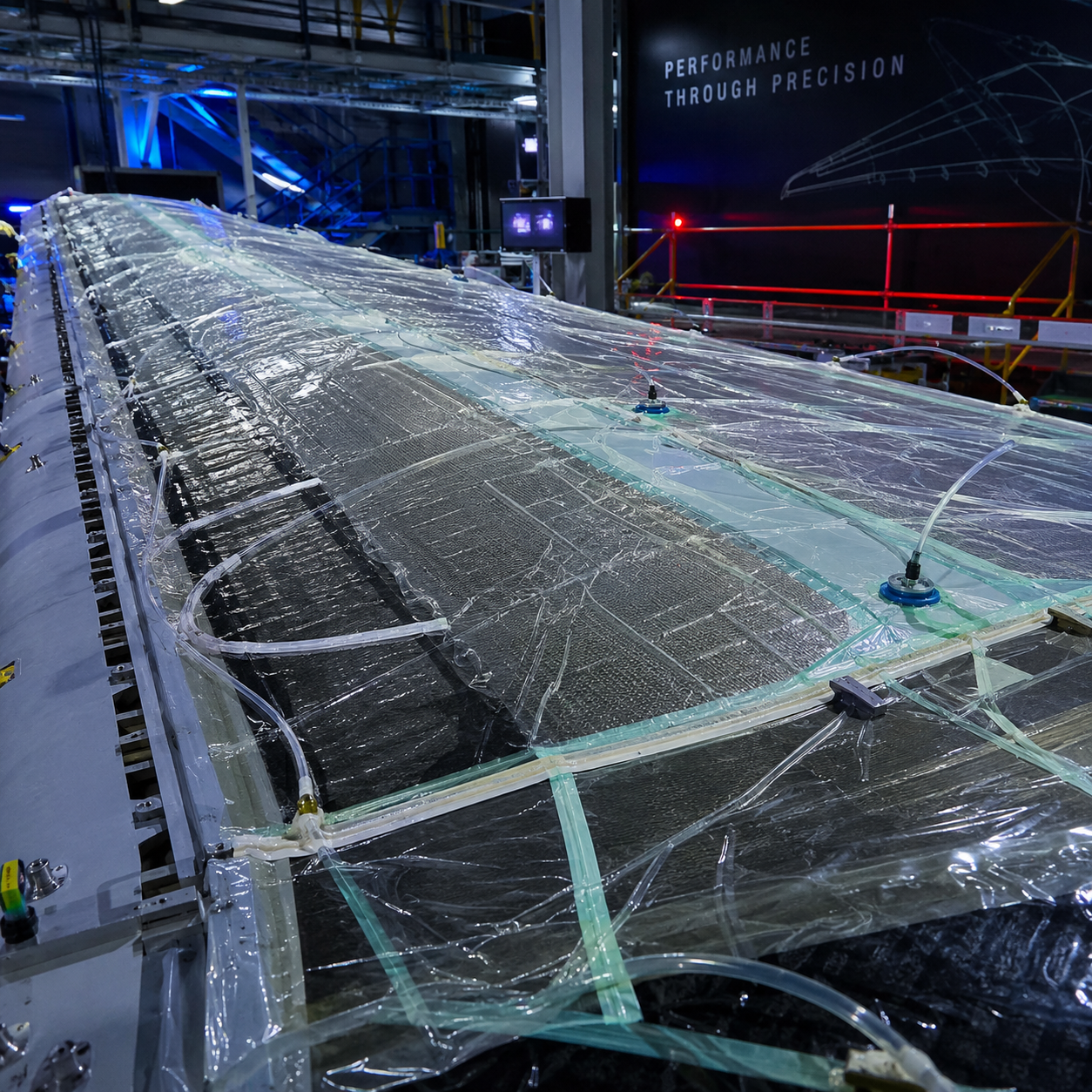
Where Materials Are Used in Structures & Airframes
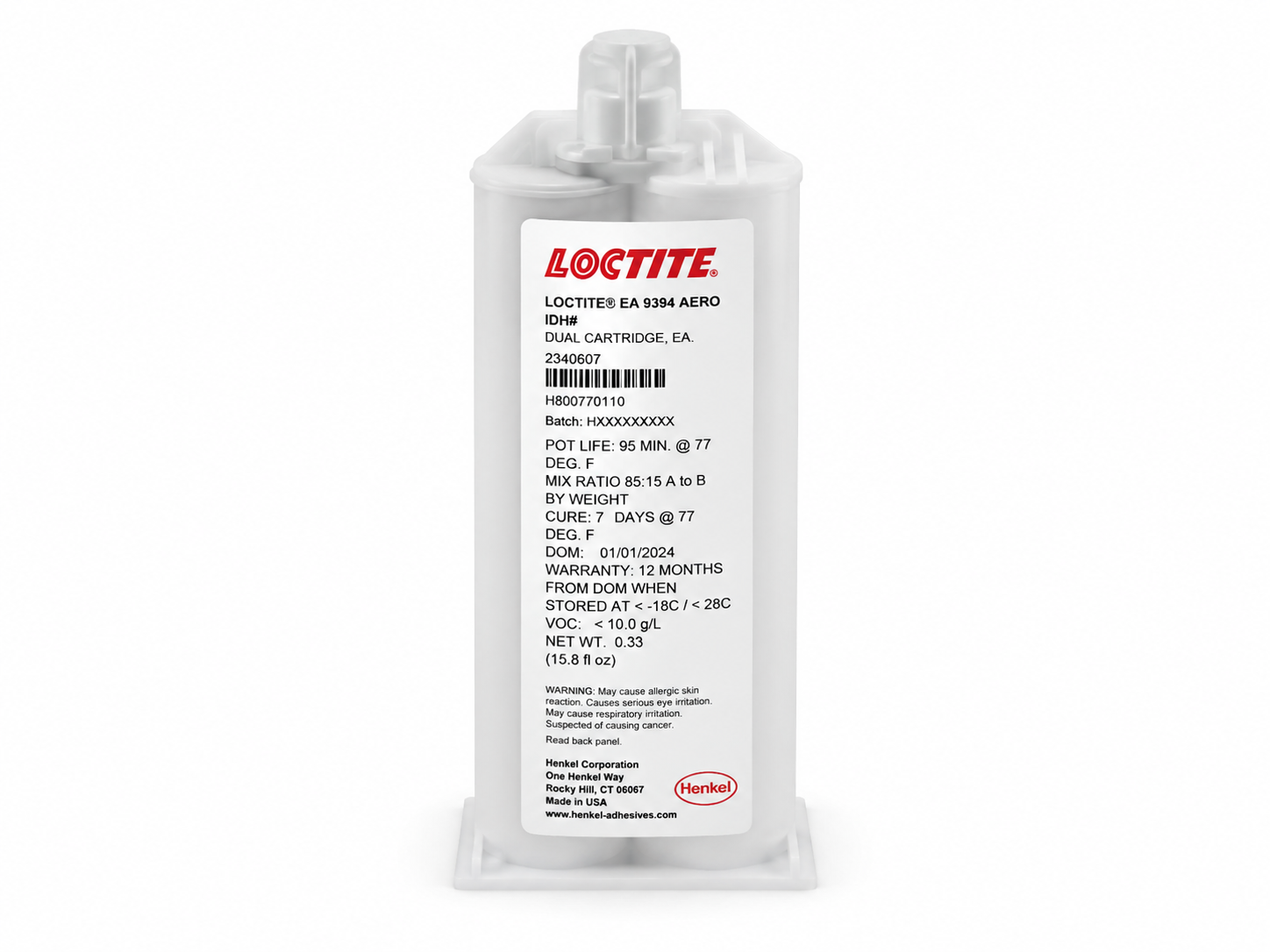
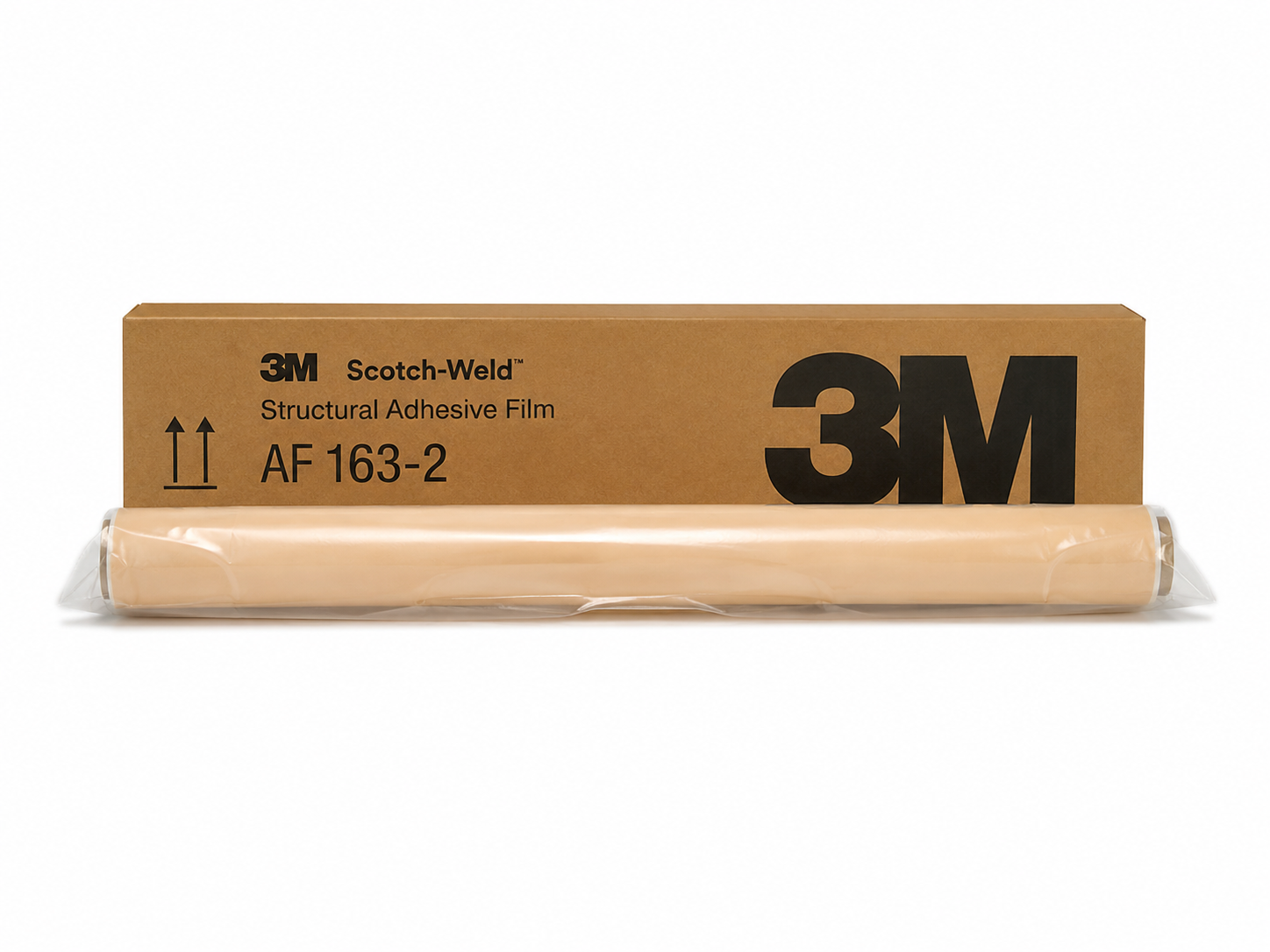
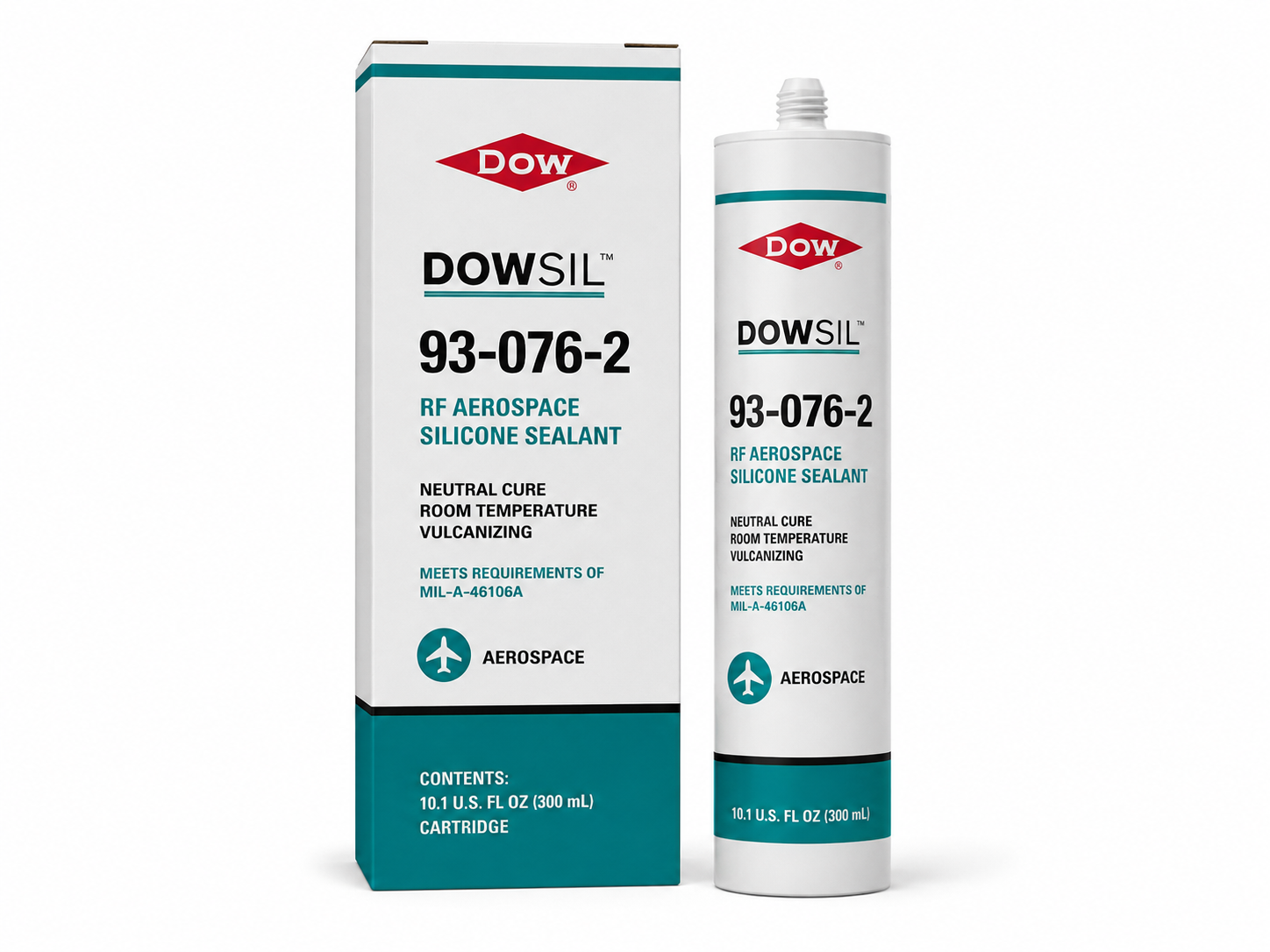
Structural adhesives and sealants used to bond composite skins, spars, and substructure during fuselage and wing assembly.
Bagging film, breather and bleeder materials, sealant tape, and release film used to control the cure cycle and part quality.
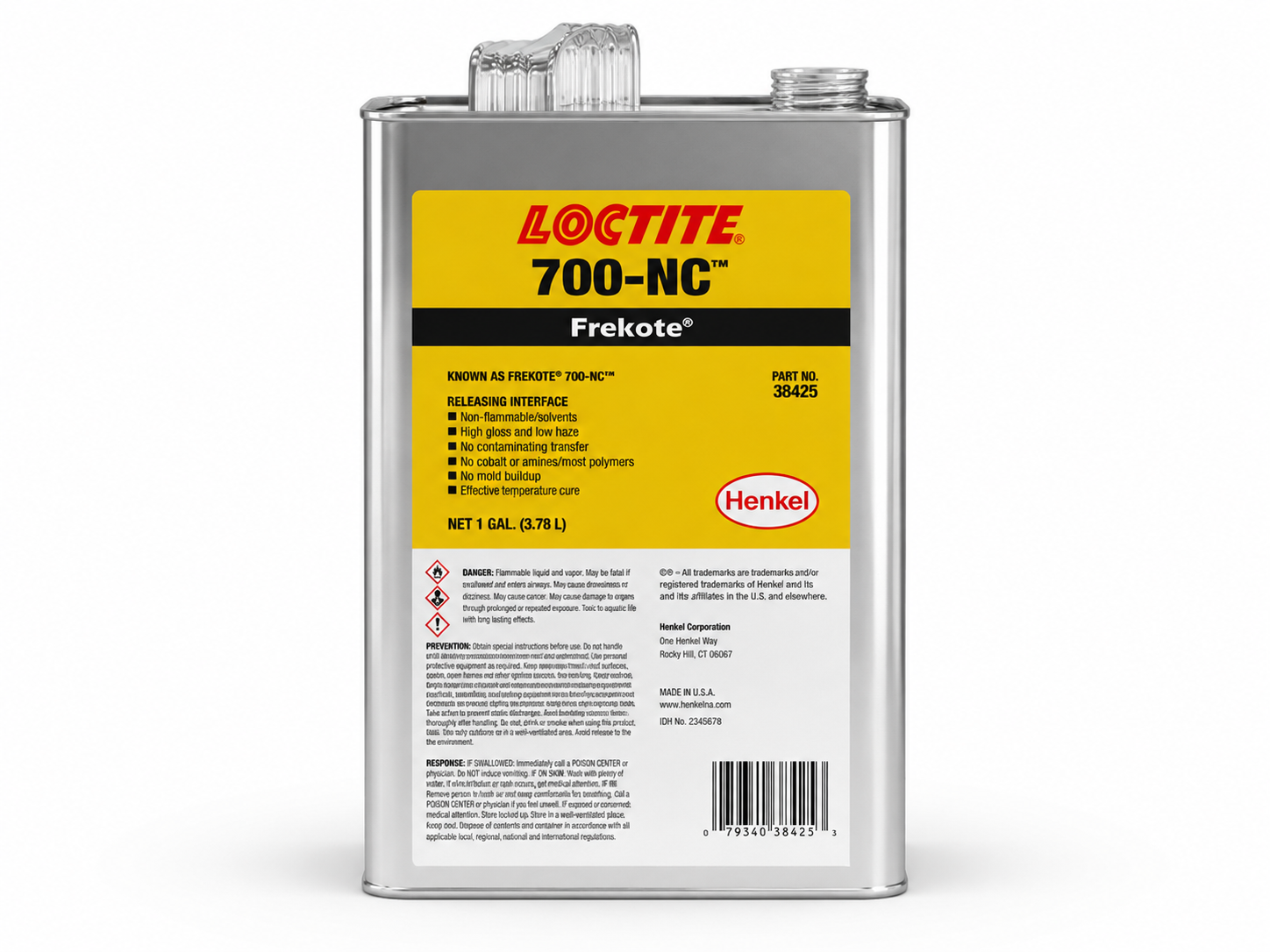
Tooling boards, release agents, and high-temperature epoxy systems used to build and maintain the molds parts are formed against.
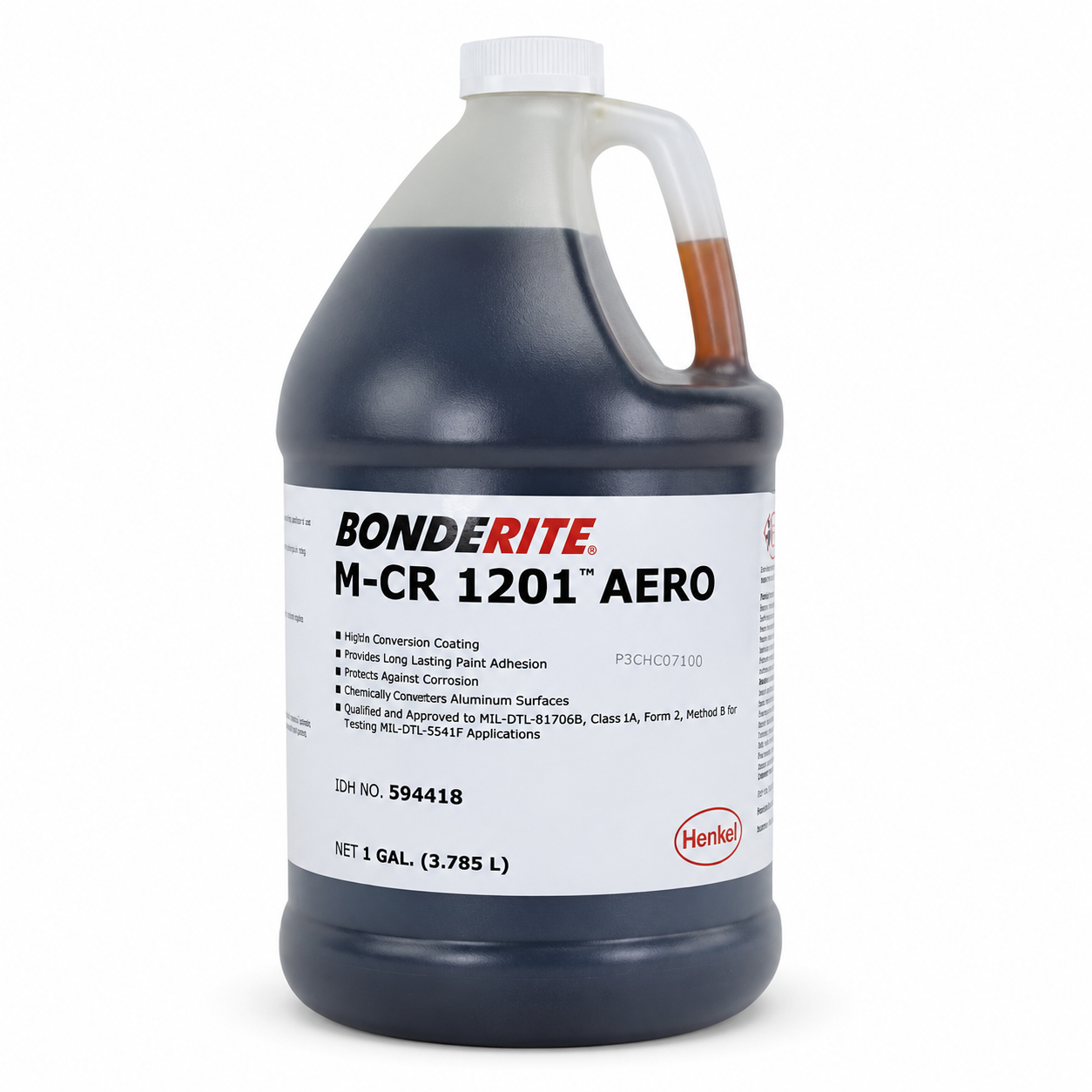
Structural adhesives, bonding primers, and surface treatments used to join metal fittings, brackets, and honeycomb core to composite structure.
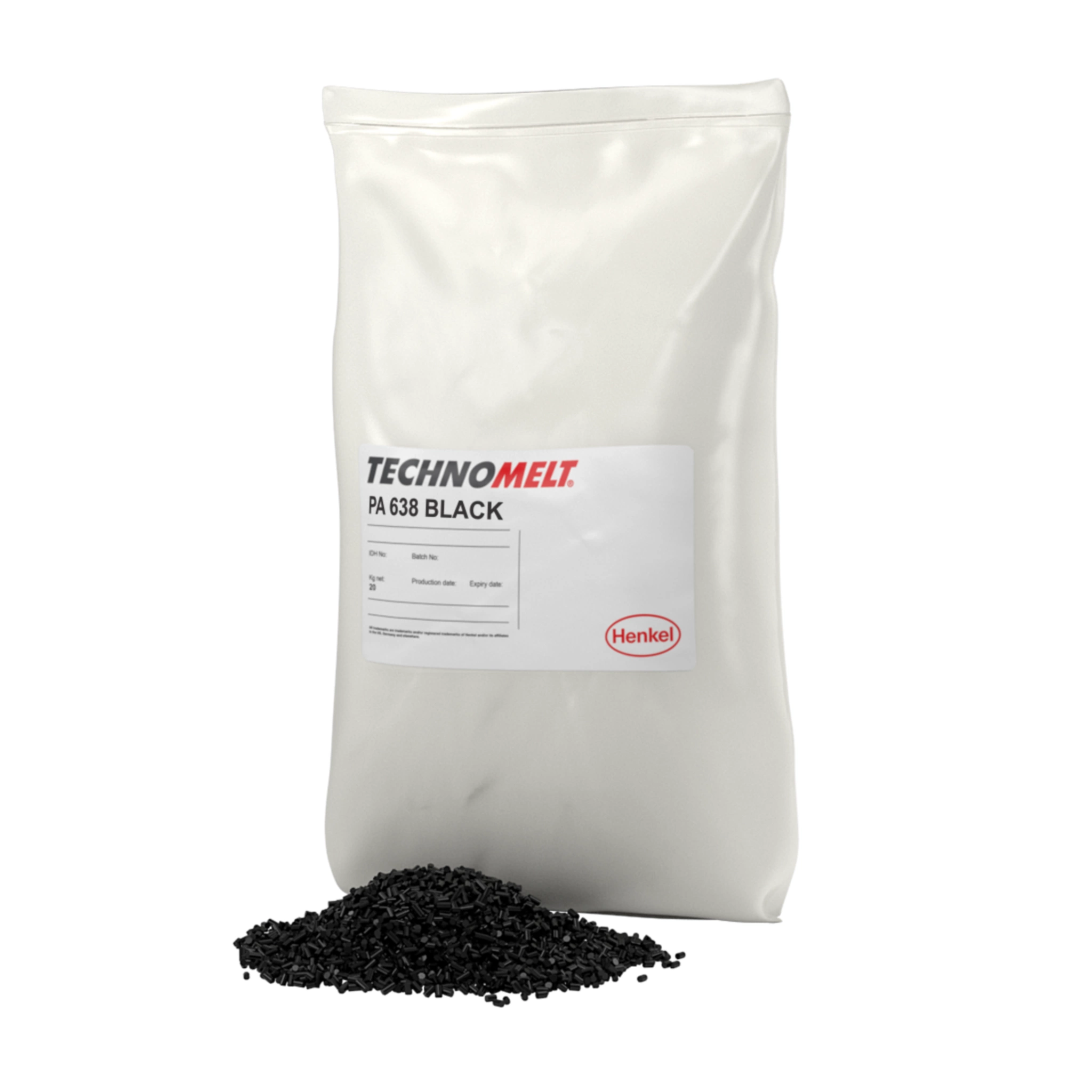
Hotmelt and structural adhesives, sealants, and protective films used across sidewalls, seating structures, and interior assembly.
Key Aerospace Requirements
Bond strength and fatigue performance under the joint loading the airframe design actually calls for.
Bonding primers and surface treatments that isolate dissimilar metals and carbon composite from galvanic attack at the joint.
Low shrinkage and controlled exotherm so bonded and tooled parts hold tolerance through the full cure cycle.
Flame, smoke, and toxicity performance for materials used inside the pressurized cabin, alongside weight and durability targets.
Cured density and bondline thickness that support the platform's weight targets without giving up strength.
Consistent working time, cure behavior, and release performance across production runs, not just a single lab result.
Frequently Asked Questions
What is the difference between structural bonding adhesives and vacuum bagging consumables?
Structural bonding adhesives join composite parts and substructure and remain part of the load path in the finished aircraft. Vacuum bagging consumables, such as bagging film, breather, bleeder, and release film, support the cure process itself and are removed after cure rather than staying in the finished part.
Why does bonding metal fittings to composite structure require a different approach than composite-to-composite bonding?
Joining metal to carbon fiber composite introduces a galvanic corrosion risk that doesn't exist in a composite-to-composite bond, since the two materials sit far apart on the galvanic series in the presence of moisture. Bonding primers and isolation layers are typically used to prevent direct metal-to-carbon contact, in addition to whatever structural adhesive carries the joint load.
Why do cabin interior materials have different requirements than structural materials?
Materials used inside the pressurized cabin are typically evaluated against flame, smoke, and toxicity (FST) requirements in addition to normal strength and durability targets, since a fire event inside an occupied cabin carries different risk than one in an unoccupied structural bay. A structural adhesive qualified for wing bonding is not automatically qualified for interior use without separate FST testing.
Are tooling materials the same as production bonding materials?
No. Tooling boards, release agents, and mold-fabrication epoxy systems are used to build and maintain the tools that composite parts are formed against, not to bond the finished parts themselves. A tooling epoxy and a structural bonding epoxy can look similar on paper but are formulated and qualified for different roles.
Are these materials qualified to aerospace or military standards?
Qualification varies by product, chemistry, and grade. Some structural bonding, tooling, and interior materials in this category are formulated to meet standards commonly referenced in aerospace structural and interior work, but current certification status should be confirmed for the specific product and grade in question. Contact the technical team for documentation.
Do you provide support for structural material selection?
Yes. The Krayden technical team works directly with engineers on structural bonding, bagging consumable, tooling, and interior material selection, datasheets, and application support for new platform qualification or retrofit work.
Need Help Selecting Structural or Interior Bonding Materials?
Selection depends on the substrate, cure cycle, load requirements, and any applicable FST or certification requirements. The Krayden technical team provides material selection support, trial quantity sourcing, and application guidance across structural bonding, bagging consumables, tooling systems, and interior assembly.
Structures & Airframes – Quick Reference