
Protect Electronics in Harsh Conditions
Flight-Ready Encapsulation and Coatings

Flight Control & Avionics
Flight Control & Avionics
Flight control and avionics systems operate under continuous vibration, thermal cycling, altitude-driven pressure changes, and long service exposure. The circuit boards, sensors, and wiring inside cockpit controls, flight computers, and navigation modules depend on protective materials that hold up to that environment without failing at the component level.
Krayden supplies conformal coatings, encapsulants, and related protective materials used across aerospace PCB assemblies, sensors, and control modules, selected for dielectric performance, adhesion, and resistance to moisture and chemical exposure over the life of the assembly.
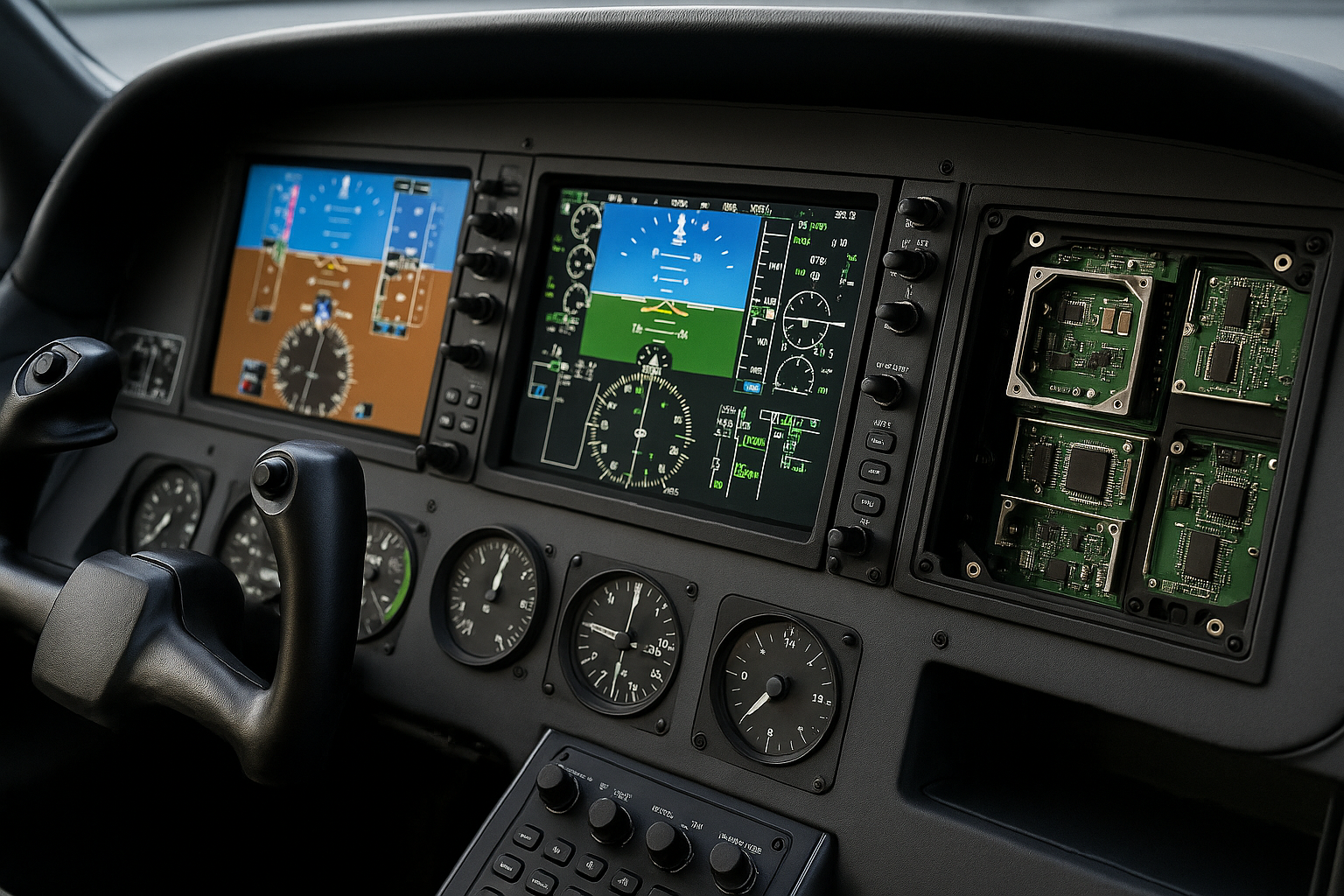
Where Materials Are Used in Avionics
Conformal coatings applied for moisture and chemical resistance.
Encapsulants used to protect components against vibration and mechanical fatigue.
Insulating compounds and marking materials used for identification and protection.
Thermally stable resins and moisture barriers used around sensitive elements.
Key Aerospace Requirements
High dielectric strength to maintain electrical insulation under load.
Resistance to humidity, salt fog, and corrosion over the assembly's service life.
Wide operating range, commonly specified from around -55°C to +200°C depending on the platform.
Void-free encapsulation to protect components under continuous vibration.
Low-outgassing formulations where the application and platform require it.
Why Krayden
Krayden supports aerospace OEMs and Tier 1 suppliers with material selection guidance, datasheet requests, and compliance documentation for conformal coatings, encapsulants, and related protective materials used on flight-critical electronics. Availability of specific certifications such as MIL-spec, ESA, or NASA outgassing compatibility varies by product; contact the technical team to confirm current documentation for a specific part number.
Frequently Asked Questions
What types of materials are used to protect avionics electronics?
Conformal coatings, encapsulants, and insulating compounds are the main material types used to protect avionics electronics. Selection depends on dielectric strength, thermal stability, resistance to vibration, and compatibility with the substrate, such as FR-4 board material, aluminum housings, or polyimide flex circuits.
How are materials selected for vibration resistance in flight modules?
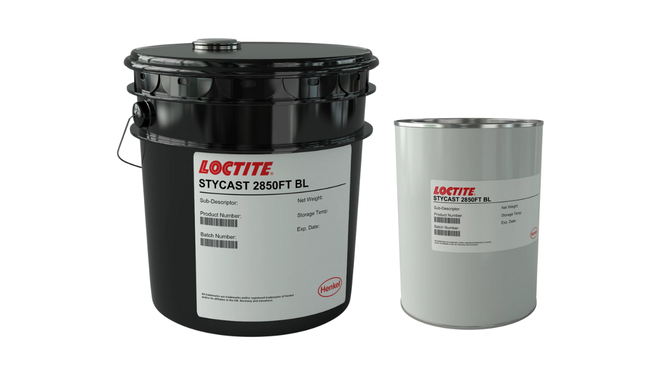
Components exposed to continuous vibration, such as flight computers and sensor modules, need materials that provide mechanical damping and maintain adhesion over time. Filled epoxy encapsulants such as Loctite Stycast 2850FT are commonly specified for this reason, though the right choice depends on the specific mounting, mass, and vibration profile.
What is a common conformal coating choice for aerospace PCBs?
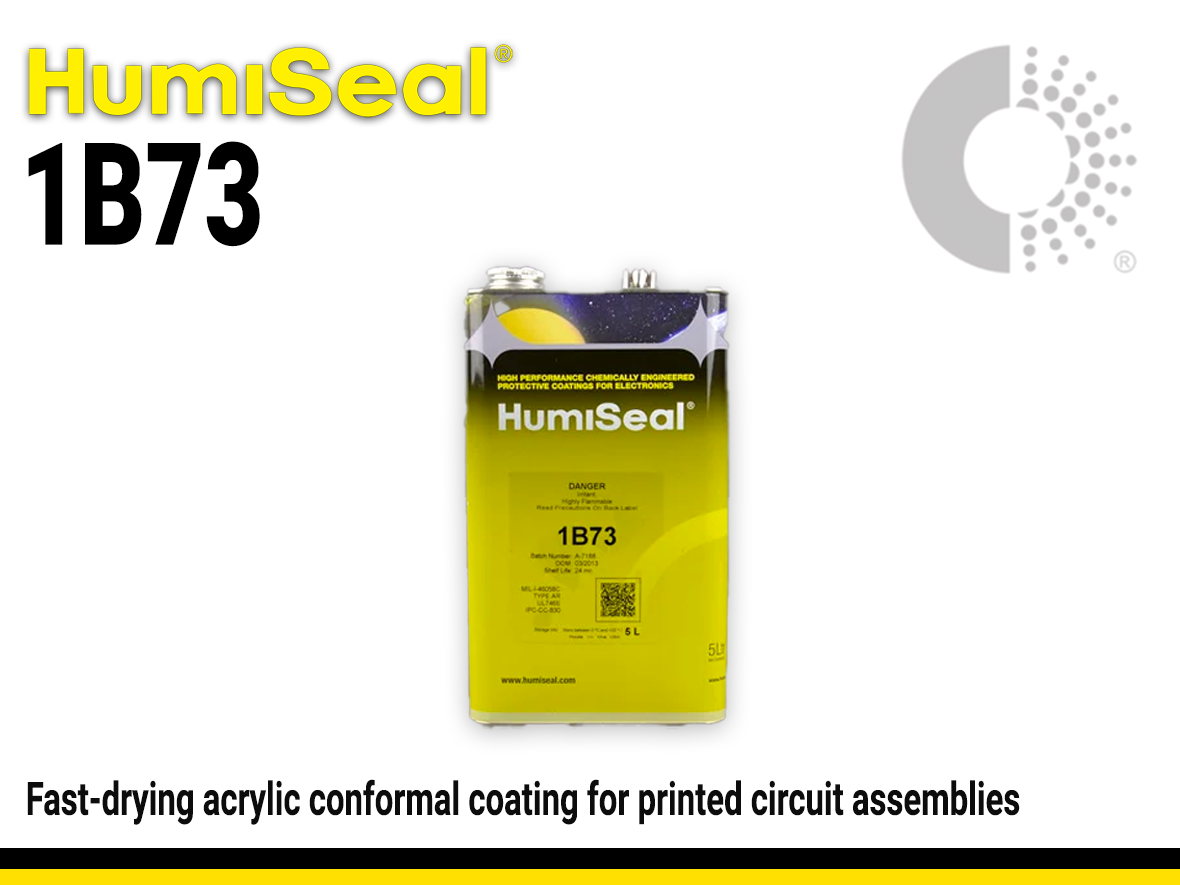
HumiSeal 1B73 is a widely used acrylic conformal coating for moisture protection on circuit boards, and it is compatible with manual or automated spray application. The best choice for a given board still depends on the specific environmental exposure and process requirements.
Are these materials qualified to aerospace or military standards?
Qualification varies by product and grade. Some materials in this category are formulated to meet standards commonly referenced in aerospace electronics work, such as conformal coating or outgassing specifications, but current certification status should be confirmed for the specific product and grade in question. Contact the technical team for documentation.
Can these materials withstand high-altitude pressure and thermal cycling?
Materials used in this application are generally formulated to hold up under the pressure differentials and temperature swings typical of flight profiles. Actual operating range varies by product, so the datasheet for the specific grade should be checked against the platform's requirements.
Do you provide support for product qualification and selection?
Yes. The Krayden technical team works directly with engineers on material compatibility, datasheets, and application support for new platform qualification or retrofit work.
Need Help Selecting Avionics Protection Materials?
Selection depends on the substrate, environmental exposure, cure process, and any applicable certification requirements. The Krayden technical team provides material selection support, datasheets, and application guidance across conformal coatings, encapsulants, and related protective materials.
Flight Control & Avionics – Quick Reference